
Aramco Approved Calibration Company in Khurais
Onsite and in-lab calibration support for Khurais projects, with traceable records and mobile-lab service for industrial teams.
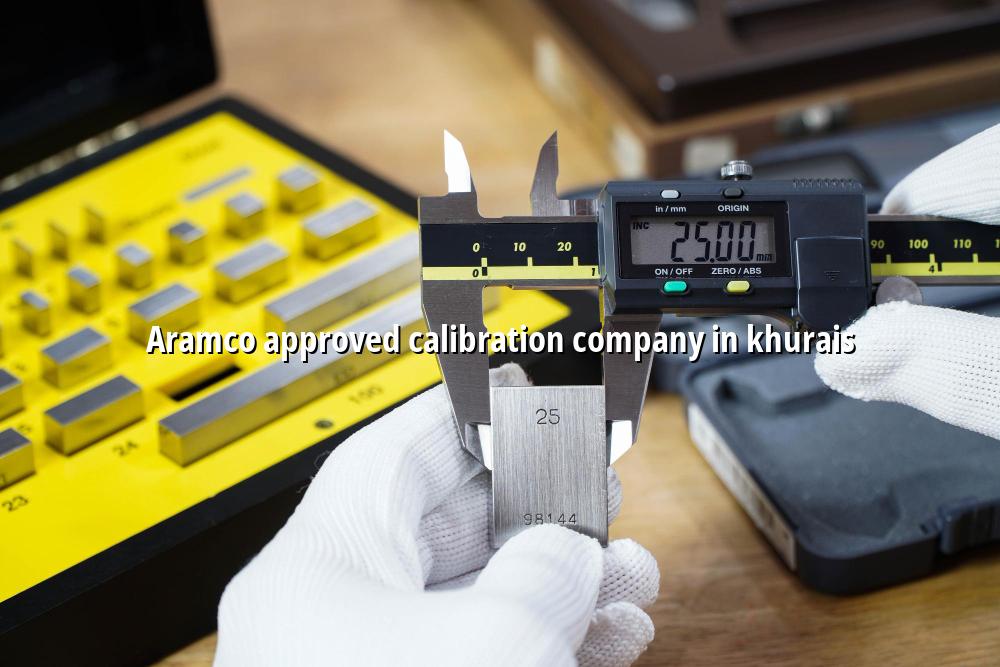
Aramco approved calibration company in Khurais is a search most maintenance teams make when a shutdown date is close and the instrument list is still growing. You want traceable calibration, clean records, and a partner who can work around site rules without wasting your crew’s time.
That is the job we do every day. Mayon Industrial Services supports industrial clients across Saudi Arabia with ISO/IEC 17025:2017 calibration, onsite mobile-lab work, and engineering services that fit oil & gas, petrochemical, power, and plant maintenance routines in Khurais and the wider Eastern Province.
What an Aramco approved calibration company in Khurais should deliver
When a plant team asks for an Aramco approved calibration company in Khurais, they usually need more than a certificate. They need traceability, the right discipline for each instrument, and a team that understands the reality of field work in Saudi heat, permit controls, and tight outage windows. For production, safety, and QA teams, the useful part is simple: the instrument must come back with records that stand up in audits and keep the job moving.
Why onsite calibration matters on active sites
Onsite work saves a lot of handling. Pressure gauges, transmitters, temperature points, torque tools, electrical test equipment, and selected process instruments can be checked where they are installed, which reduces downtime and the risk of damage in transit. Our mobile calibration lab is built for that kind of work, and for instruments that need special conditions, we can arrange pick-up and delivery to our controlled laboratory.
What should be in the calibration record?
A proper calibration record should tell you what was tested, what reference was used, what the result was, and whether the instrument passed or needs attention. In practice, plant engineers in Khurais care about three things: is the data traceable, is the equipment fit for service, and can they file the paperwork without chasing missing details. If a meter or transmitter is linked to a critical loop, that clarity matters even more.
- List the instruments by discipline — separate pressure, temperature, electrical, mechanical, and dimensional items so the right reference standards are used.
- Check site access and method — confirm whether the work is onsite, in-lab, or needs pick-up and delivery for controlled handling.
- Verify the traceability route — make sure the calibration references and certificates support ISO/IEC 17025:2017 expectations.
- Close the loop with maintenance — review out-of-tolerance items, tag replacements, and any equipment that needs repair before the next run.
- Use a provider that can handle onsite and in-lab calibration without changing your whole schedule.
- Keep pressure, thermal, electrical, and mechanical instruments grouped by process risk.
- Ask for records that are easy for QA, HSE, and maintenance teams to file.
- Match the calibration plan to critical assets, not just the annual calendar.
Calibration approach by instrument type
| Instrument group | Typical service method | What the team checks |
|---|---|---|
| Pressure and vacuum instruments | Onsite or lab calibration | Linearity, repeatability, reference comparison, and leak condition |
| Temperature sensors and baths | In-house lab or controlled transport | Stability, uniformity, sensor response, and reading deviation |
| Electrical test gear | Lab-based calibration | Output accuracy, insulation-related checks, and functional response |
| Torque and force tools | Controlled lab verification | Applied value, repeatability, and mechanical condition before release |
How traceability helps Aramco sites stay ready
For sites serving Aramco operations, traceability is not a paperwork extra. It is what lets QA teams show that a pressure gauge, thermometer, relay tester, or torque wrench was checked against known references. That matters during internal audits, contractor reviews, and maintenance sign-off, especially where process safety depends on the instrument reading being trusted.
Why teams in Khurais ask for local support
Khurais projects often need quick coordination with the plant schedule. A provider based in the region can coordinate with the site, send the right technician, and avoid repeated trips for the same job. We work from Saudi Arabia through SMC Engineering Services / Sixfaces Maintenance Co in Dammam Industrial City 2, so our support is set up for Saudi industrial work, not generic office-based service.
Built for real plant conditions
Our work covers calibration services, condition monitoring, electrical testing and commissioning, inspection services, PAT testing, temperature mapping, orbital welding, lab design and setup, repair and maintenance, and training. That mix helps when a job starts as a calibration issue and ends with a mechanical fix or a test-and-commissioning check.
Choosing the right service path for a shutdown or maintenance cycle
Not every item should go the same way. A pressure transmitter on a running process line may be better handled onsite, while a temperature bath or a delicate reference instrument is usually safer in the lab. The best calibration plan is the one that matches the instrument’s condition, its criticality, and the plant’s access rules. That is where our temperature-controlled lab and mobile setup help you keep control of the job.
We also see a common pattern in the Eastern Province: teams call first for calibration, then ask for support on a damaged tool, a misbehaving relay, or a lifting item that needs inspection. Having one contact for calibration, mechanical services, electrical testing, inspection, and repair can save a lot of back-and-forth. It also makes it easier for procurement and maintenance to keep supplier records tidy.
How we handle a Khurais calibration request
The process is straightforward, but it needs discipline. We start by checking the instrument list, the location, and the service conditions. From there, we decide whether onsite work, in-house lab calibration, or controlled transport is the right path, then we schedule the technician and prepare the reference equipment before arriving.
- Review the scope — we confirm the instruments, discipline, and site constraints before the visit.
- Select the method — onsite, in-lab, or pick-up and delivery is chosen based on risk and handling needs.
- Perform the calibration — our team checks the item against suitable reference standards and records the findings.
- Flag exceptions — any out-of-tolerance item, damage, or repair need is reported clearly.
- Return the documents — calibration records are issued for QA, maintenance, and audit filing.
- Onsite service helps reduce downtime for critical loops and field instruments.
- Controlled lab work suits instruments that need stable temperature or cleaner handling.
- Repair and maintenance can be paired with calibration when an item needs more than a check.
- One supplier can cover calibration, testing, inspection, and commissioning support.
How Mayon Industrial Services Can Help
We help Khurais teams with ISO/IEC 17025:2017 calibration, condition monitoring, mechanical services, electrical testing and commissioning, inspection, orbital welding, lab design, and repair work. If you need a provider who understands Saudi industrial sites, can work onsite or from a controlled lab, and can support the recordkeeping your QA team expects, we’re ready to help.
Call +91 99447 80844 (India) or +966 59 633 8012 (Saudi Arabia), email services@mayonservices.com, or message us on WhatsApp.
Frequently Asked Questions
For onsite work, you want a company that can handle field instruments, keep traceable records, and work within plant access rules. We support that kind of job with mobile calibration capability and a lab-based backup when an item needs controlled handling. The exact method depends on the instrument and the site condition.
Pressure, temperature, electrical, torque, and dimensional checks come up most often, along with instruments used in maintenance, testing, and commissioning. In some plants we also see vibration work, infrared thermography, and verification of gauges used in process and safety systems. The right scope depends on your equipment list.
Yes. We work with ISO/IEC 17025:2017 calibration services for industrial customers in Saudi Arabia, including onsite support and controlled lab work. That helps teams keep their traceability route clear during audits and internal reviews.
Yes, we can arrange pick-up and delivery for instruments that need special conditions or are better handled in a controlled lab. That is useful for sensitive items, equipment that cannot be tested safely on site, or tools that need extra care during transport. We plan it case by case.
We support oil & gas, petrochemical, power, construction, healthcare, pharmaceutical, cold chain, food & beverage, manufacturing, and engineering clients. In Khurais, oil & gas and related maintenance work are the usual drivers, but we also get requests from contractors and service companies working around those assets.
Send the instrument list, the site location, the type of service you need, and any constraints such as shutdown dates or access rules. If you already know which items are critical, include that too. That helps us plan the right technician and the right references before we come out.
Ready to keep your Khurais instruments audit-ready?
Send us the instrument list and we’ll help you choose the right calibration path for the site, the schedule, and the equipment involved.
Contact Mayon