
Aramco Approved Calibration Company in Ras Tanura
Need traceable calibration for instruments serving Ras Tanura projects, terminals and plant operations? We support onsite work and controlled-lab handling.
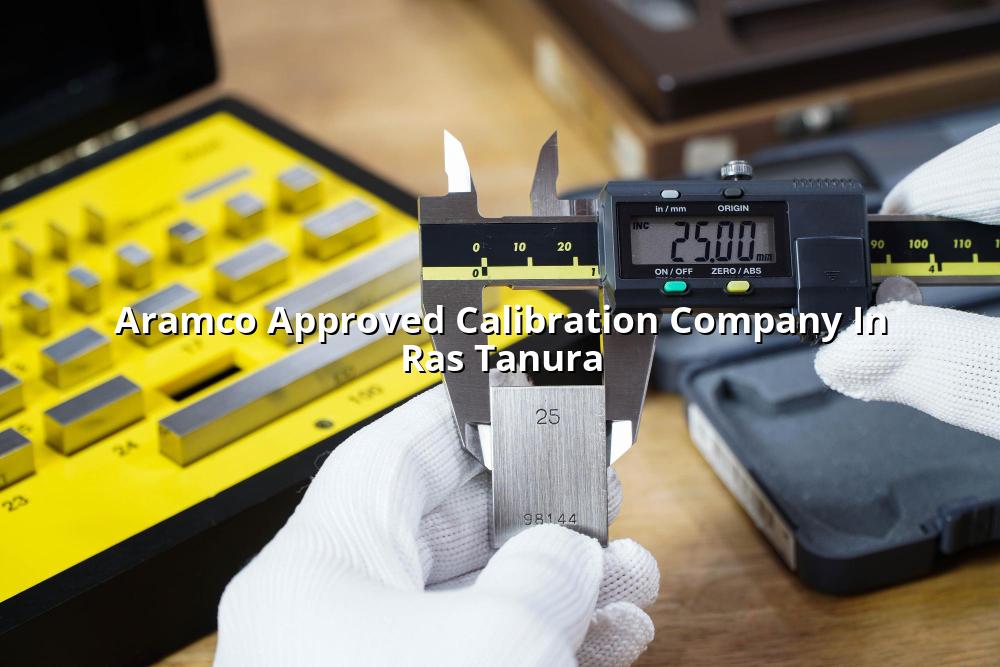
Aramco approved calibration company in Ras Tanura is the phrase plant teams use when they need instruments checked by a provider that understands site discipline, traceability and the pressure of shutdown work. If you're handling gauges, transmitters, thermometers, torque tools or electrical test gear, this page shows how to choose a team that keeps the paperwork clean and the equipment usable.
We work with industrial clients across Saudi Arabia, including the Eastern Province, where oil and gas, petrochemical and power sites often need calibration support tied to permit windows, QA files and inspection readiness. Our job is simple: keep your instruments aligned with ISO/IEC 17025:2017 expectations and make the next audit less stressful.
What an Aramco approved calibration company in Ras Tanura should handle
The best fit is usually a provider that can manage both onsite and controlled-lab work, because not every instrument behaves the same way. Pressure devices, temperature sensors, torque tools and dimensional instruments may all need different methods, different reference standards and different handling. When the calibration provider understands that mix, your maintenance team spends less time chasing missing certificates and more time keeping the plant online.
Onsite work for active plant areas
Ras Tanura sites often prefer onsite calibration for instruments that are already installed, hard to move or tied to critical process lines. Our mobile calibration lab helps us support field work without turning everything into a workshop shuffle. That matters on busy industrial jobs, especially when the same crew is also dealing with PTW systems, isolation, and tight access around operating assets.
Controlled handling for sensitive instruments
Some instruments need a steadier environment than a general workshop can offer. Temperature-sensitive items, special-condition instruments and devices that need pick-up and delivery are better handled in an in-house laboratory that stays controlled and organized. That is where a calibration company with a temperature-controlled lab and proper traceability documentation can make a real difference.
- Identify the instrument group — separate pressure, thermal, electrical, mechanical and dimensional items before you send them out.
- Check the process need — decide which items must stay onsite and which can be removed for controlled calibration.
- Match the reference method — use the right standard and procedure for the instrument type, not a one-size-fits-all approach.
- Review the certificate file — make sure the result, traceability and identification details fit your QA record and audit trail.
- Ask for ISO/IEC 17025:2017 traceability on the scope that covers your instruments.
- Confirm the provider can support onsite work in Ras Tanura and the Eastern Province.
- Keep a list of instruments that need special handling, such as thermal or biomedical devices.
- Check whether pickup and delivery are available when instruments can’t travel safely as-is.
Calibration planning for Ras Tanura industrial instruments
| Instrument group | Typical site use | Best handling route |
|---|---|---|
| Pressure gauges and transmitters | Process lines, skids and utility systems | Onsite calibration where access and isolation allow it |
| Temperature sensors and indicators | Vessels, storage, cold chain and process monitoring | Controlled-lab work or onsite checks with proper reference gear |
| Torque and force tools | Flanges, bolting and maintenance shutdowns | Scheduled calibration before critical work starts |
| Electrical test instruments | Switchgear, relays, transformers and commissioning tasks | Method-based calibration and verification before use |
Why traceability matters in Aramco-facing work
In Saudi industrial work, the real issue is rarely only the certificate. It is whether the certificate can stand up inside your maintenance file, shutdown package or inspection record. ISO/IEC 17025:2017 gives the structure for competence and traceability, while ISO 9001:2015 supports the wider quality system around the job. For lifting and inspection-related work, BS EN standards matter too, and electrical calibration often needs EURAMET CG-15 aligned thinking.
Keep the QA file tidy from the start
We often see delays caused by simple admin gaps: wrong asset ID, unclear instrument range, missing location tag or a certificate that does not match the asset list. Those are avoidable. A good calibration company asks for the right details up front, checks the instrument condition before work begins, and returns results in a way your quality team can actually use.
Built for plant teams, not office noise
Most requests we get from Saudi Arabia start with a maintenance need: a shutdown coming up, a batch of gauges due, or a commissioning team waiting on test equipment. That is why we keep the work practical. We support industrial clients in oil & gas, petrochemical, power, manufacturing and cold chain, and we do it with the mix of onsite support, in-lab handling and mobile calibration that these jobs usually need.
How to compare providers before you send instruments out
A lot of buyers ask the same question: what separates one calibration vendor from another? The answer is usually less about marketing and more about details. Can they support the instrument range you actually use, can they come onsite when the asset is installed, and can they manage special conditions without improvising? Those questions matter more than a slick brochure.
If you are supporting a Ras Tanura project, you also need to think about mobilization, document control and handoff. The provider should be ready to work with your maintenance and QA people, not force your team to translate the requirements twice. That becomes especially useful during shutdowns, commissioning and periodic verification rounds.
Questions worth asking early
Ask whether the provider has experience with pressure, thermal, electrical or mechanical calibration. Ask how they handle instruments that need special environmental control. Ask where the work will happen, and how pickup and delivery are handled if onsite work is not practical. You do not need a long sales pitch. You need straight answers.
- Make sure the scope matches your actual instrument list, not just a general service claim.
- Confirm the team can support both installed assets and loose instruments.
- Check whether calibration records are clear enough for audits and internal reviews.
- Ask how they support Saudi industrial sites, including Ras Tanura and nearby Eastern Province locations.
How Mayon Industrial Services Can Help
We support Saudi industrial clients with ISO/IEC 17025:2017 calibration, onsite field work, controlled in-house lab handling and mobile calibration support for instruments that can't wait around. Our team also handles mechanical services, electrical testing and commissioning, inspection, orbital welding, lab setup and training, so you can keep one practical partner on the vendor list.
Call +91 99447 80844 (India) or +966 59 633 8012 (Saudi Arabia), email services@mayonservices.com, or message us on WhatsApp.
Frequently Asked Questions
Honestly, the best fit is the company that can prove traceability, support your instrument types and handle the job the way your site wants it done. For Ras Tanura work, that usually means a provider with onsite capability, a controlled lab, and enough discipline to keep the records clean.
Yes, we support onsite calibration where the instrument, access conditions and site procedure allow it. That is often the practical choice for installed pressure, electrical and process instruments because it reduces handling and keeps the asset in place.
For calibration and testing competence, ISO/IEC 17025:2017 is the main standard to ask about. In wider quality systems, ISO 9001:2015 is useful, and for lifting or inspection-related work you should look for BS EN standards. Electrical calibration often benefits from EURAMET CG-15 aligned methods.
Yes, we do that for instruments that need controlled handling. Some items are safer to move into an in-house laboratory, and others travel best with pickup and delivery arranged so they do not get damaged or exposed to the wrong conditions.
We work across pressure, temperature, mechanical, electrical, torque, dimensional and related industrial instrument groups. That covers the kinds of tools and devices used in oil & gas, petrochemical, power, manufacturing and cold-chain operations.
You can contact us by phone, email or WhatsApp and share the instrument list, site location and the work you need done. From there, we can discuss whether onsite support, lab handling or pickup and delivery is the better route.
Need calibration support for Ras Tanura?
Send us your instrument list and site requirements, and we'll help you choose the right handling route for the job.
Contact Mayon