
Biomedical Equipment Calibration Company in Al Hasa
Traceable biomedical calibration support for clinics, hospitals, and healthcare facilities in Al Hasa.
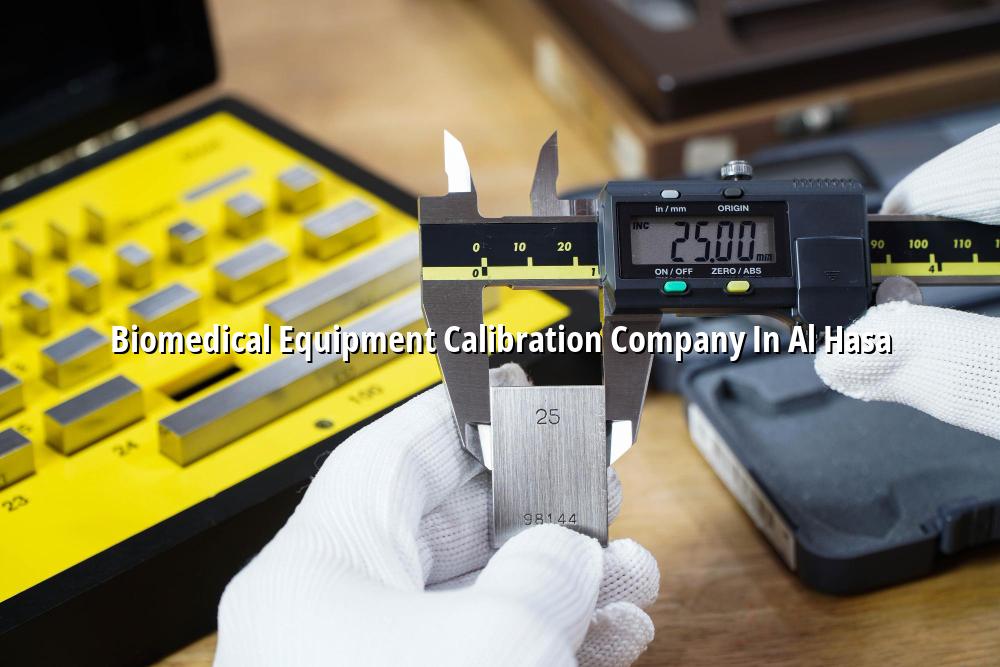
Biomedical equipment calibration company in Al Hasa teams usually get called when a monitor starts drifting, a pump reads oddly, or the QA file needs traceable proof before an audit. If that sounds familiar, this page shows you how we handle the job, what we check, and what you should ask for before you hand over critical devices.
We work with healthcare and laboratory teams that need dependable calibration records, not vague reassurance. From onsite visits with our mobile calibration lab to controlled work in our in-house facility, we help hospitals, clinics, and service contractors in Saudi Arabia keep medical instruments aligned with ISO/IEC 17025:2017 expectations and day-to-day patient care.
What a Biomedical Equipment Calibration Company in Al Hasa Should Cover
A real biomedical calibration partner has to do more than place a sticker on the device. You need traceable measurement, clear as-found and as-left results, and a team that understands the difference between a temperature probe used for a vaccine fridge and a monitor used at the bedside. In our experience, many healthcare teams in Al Hasa are also managing devices from mixed vendors, so the job is often part technical check, part record cleanup.
Devices we typically calibrate
We support common biomedical and healthcare equipment such as patient monitors, infusion devices, thermometers, incubator-related measurement points, blood pressure devices, weighing systems used in clinical settings, and other instruments that need stable, repeatable readings. If your unit also falls under a broader hospital maintenance program, we can align the calibration visit with your preventive maintenance schedule so the equipment is out of service for less time.
Why traceability matters in healthcare
Hospitals and clinics in Saudi Arabia often face internal audits, supplier reviews, and patient-safety checks that depend on accurate evidence. A traceable certificate helps your team show that measurements were made against known standards, using calibrated reference equipment, under controlled conditions. That record is especially useful when you manage devices across wards, diagnostic rooms, and storage areas where readings can drift for simple reasons like transport, humidity, or repeated use.
- Start with the asset list — send the model, serial number, quantity, and location so we can plan the visit properly.
- Check the device condition first — we note visible damage, label status, battery condition, and any obvious handling issues before testing.
- Measure against the right reference — our team uses calibrated standards and records the readings needed for the certificate.
- Review the result with your team — if a device is outside tolerance, we explain the finding and discuss the next step for repair, adjustment, or replacement.
- Return the certificate and traceability records — you receive the documentation your QA file, maintenance log, or audit pack needs.
- Ask for as-found data, not only the final pass or fail line.
- Keep biomedical devices grouped by ward or use case to reduce missed items during calibration rounds.
- Confirm whether onsite service is better than removing sensitive equipment from the hospital floor.
- Store previous certificates so drift trends are easier to spot during audits.
- Match the calibration interval to actual use, cleaning cycles, and local operating conditions.
- Use a provider that can support both Saudi Arabia and cross-border project schedules.
Biomedical Equipment Checks: What Teams Usually Compare
| Item type | Typical concern | What the calibration record should show |
|---|---|---|
| Patient monitor | Display drift, sensor mismatch, or a faulty channel | Measured results, tolerance status, and identification of the reference used |
| Infusion device | Flow variation or unreliable delivery indication | Checked parameters, observed values, and pass/fail outcome for each point |
| Thermometer or probe | Offset caused by age, handling, or transport | Reference comparison, deviation, and any correction needed in the log |
| Clinical weighing device | Zero shift, repeatability, or unstable readings | Range checks, repeatability notes, and traceable certificate details |
Onsite Service, Controlled Testing, and Documented Results
Many Al Hasa facilities prefer onsite work because biomedical equipment can be sensitive, bulky, or tied to a busy clinical schedule. That is where our mobile calibration lab helps. We can handle a lot of routine checks on your premises, and we can also arrange pick-up and delivery for instruments that need special conditions in our temperature-controlled in-house laboratory.
What this means for your maintenance team
You get a cleaner workflow. Fewer interruptions, fewer rushed sign-offs, and a better paper trail for internal audits and vendor reviews. We also support related industrial and facility needs, so if your site has both clinical assets and plant equipment, you can work with one team for calibration, mechanical services, inspection, and repair support.
Built for busy healthcare sites
From hospital engineering rooms to clinic storage areas, our team plans around access restrictions, shift timing, and equipment sensitivity. That helps your staff keep patient-facing work moving while the technical checks are underway.
How to Plan Biomedical Calibration Without Creating Extra Downtime
Good planning starts with grouping devices by department and priority. A neonatal unit, a diagnostic room, and a maintenance store don’t all need the same scheduling logic. If you share a list early, we can sort onsite work from items that are better handled in the lab, then line up the visit around your access windows in Al Hasa or nearby Saudi locations.
For many clients, the real gain is not the certificate itself. It is the calm that comes from knowing which assets are stable, which ones need attention, and which ones should be removed from service until they are corrected. That is especially useful when a facility is preparing for an audit, onboarding a new vendor, or standardising equipment across multiple sites.
Common mistakes we see
One common issue is waiting until the device fails visibly. Another is treating every biomedical instrument the same, even though the test method, tolerance, and reference standard can differ a lot. We also see teams lose time because asset records are incomplete, so the technician has to spend half the visit confirming model details instead of testing.
- Confirm scope early — decide which devices stay onsite and which should be sent for controlled lab work.
- Prepare the access list — make sure rooms, wards, or stores are available when the team arrives.
- Share previous certificates — this helps us compare trends and spot repeat issues faster.
- File the results in one place — keep the latest certificate, asset tag, and maintenance note together for audits.
- Group equipment by risk and use, not only by brand.
- Make sure the asset tag matches the certificate entry exactly.
- Keep spare units ready for critical areas like wards and labs.
- Use one contact person for scheduling, especially on multi-department jobs.
- Ask for a provider that can support related services like inspection or repair when a device fails.
How Mayon Industrial Services Can Help
We support biomedical and healthcare clients with ISO/IEC 17025:2017 calibration, onsite testing, and practical documentation that fits real hospital work. If your equipment also needs mechanical support, inspection, lab setup, or repair and maintenance, our wider service team can keep the project under one roof. That makes scheduling easier, especially for facilities in Saudi Arabia that want one point of contact for technical work.
Call +91 99447 80844 (India) or +966 59 633 8012 (Saudi Arabia), email services@mayonservices.com, or message us on WhatsApp.
Frequently Asked Questions
Usually the devices that affect readings, dosing, temperature control, or clinical decisions. That can include monitors, infusion-related devices, thermometers, weighing systems, and other instruments that your QA team tracks in the maintenance file. If you're unsure, we can help sort the list by risk and use before the visit.
Yes. We support onsite work using our mobile calibration lab when the device can be tested safely at your facility. That helps reduce handling and keeps critical units closer to service while the checks are completed.
Yes, we provide traceable calibration documentation for the equipment we test. The record includes the measured results and the status of the item, which is what most QA and maintenance teams need for audits and internal files. If a unit is out of tolerance, we state that clearly.
We work under ISO/IEC 17025:2017 for calibration and testing competence. That matters because it supports traceability, controlled methods, and consistent records. For healthcare sites, that documentation is often the difference between a file that looks complete and one that stands up during review.
Yes, we serve clients in India, Saudi Arabia, and the wider Middle East. In practice, that helps teams with projects that move across locations or need a provider who understands both local operational pressure and technical documentation. We keep the scope within those regions.
Then we flag it clearly and talk through the next step with you. Some devices can be adjusted or repaired, while others are better replaced. We can also support follow-up mechanical or repair work where the equipment and the issue fall within our service scope.
Ready to keep your biomedical assets accurate and audit-ready?
Share your equipment list, and we’ll help you plan the right calibration approach for your site in Al Hasa or across Saudi Arabia.
Contact MayonIf you need a biomedical equipment calibration company in Al Hasa that understands healthcare pressure, traceability, and the realities of busy sites, we’re ready to help. Mayon Industrial Services brings calibration discipline, practical site planning, and clear records together so your team can work with less friction.