
Biomedical Equipment Calibration Company in Qassim
Traceable calibration support for hospitals, clinics and service teams working across Qassim and the wider Saudi industrial corridor.
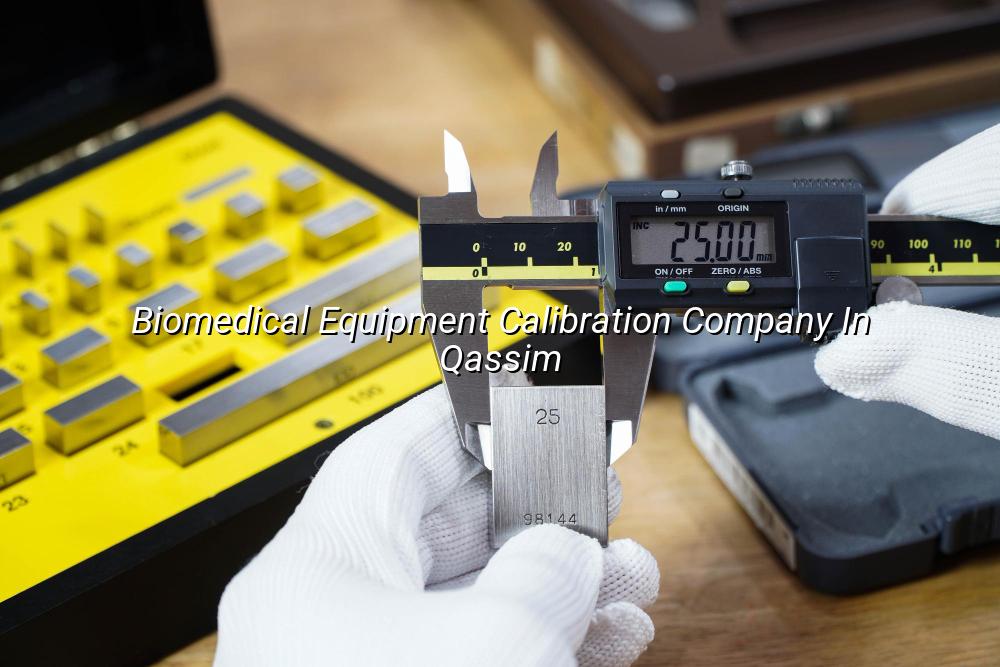
Biomedical equipment calibration company in Qassim is the kind of search people make when a device has to be trusted on the ward, in theatre, or in a maintenance room where the next shift is already waiting. We help you get traceable results for medical devices so your team can keep records clean and your equipment within the control limits your process expects.
We work with hospitals, clinics, dental centers, laboratories and service contractors across Qassim, plus other parts of Saudi Arabia and the Middle East. Our calibration work follows ISO/IEC 17025:2017 discipline, and we support both onsite visits and in-house work when instruments need controlled handling or pick-up and delivery.
Biomedical Equipment Calibration Company in Qassim for clinical control
Most biomedical calls are less about the label on the device and more about risk. A patient monitor that drifts, a syringe pump that misses its set rate, or an incubator reading a little off can create noise in your records and pressure for your maintenance team. We calibrate medical instruments so you can track performance, document checks, and show that the equipment was measured against known standards rather than guessed at on the spot.
Why biomedical calibration matters in day-to-day use
In our experience, the first warning sign is often not a full failure. It is a technician noticing that the reading looks different from another unit, or a nurse reporting repeated alarms that do not match the patient condition. That is where a proper calibration file helps. It gives you before-and-after data, identified error points, and a clearer way to decide whether the device can stay in service or needs repair.
How we handle medical devices for Saudi facilities
We approach biomedical equipment with the same discipline we use for pressure, thermal and electrical instruments. For healthcare clients in Qassim, that means checking the device against suitable references, recording traceability, and keeping the workflow practical for the site. If your asset list includes patient monitors, infusion devices, defibrillators, incubators, thermometers, analyzers, or sterilizer-related instruments, we can plan the visit around your operating hours and maintenance window.
- Identify the asset list — we confirm the device type, serial number, location and the service scope before we touch the instrument.
- Review the condition on arrival — our team checks for visible damage, missing accessories, labels and obvious signs that the unit should go for repair first.
- Measure against suitable references — we use controlled methods aligned to the device category, with records suited to ISO/IEC 17025 expectations.
- Document the result clearly — you get traceable readings, pass/fail status where applicable, and the notes your QA or maintenance file needs.
- Use onsite calibration when removing equipment would disrupt patient care or shift handover.
- Ask for calibration before annual audits, not after a nonconformance shows up.
- Keep a clean asset register with model numbers, locations and service history.
- Separate calibration from repair so you know what was measured and what was fixed.
- Choose traceable work that fits Saudi healthcare expectations and internal quality checks.
Common biomedical equipment and what we usually check
| Device group | Typical check focus | Site context |
|---|---|---|
| Patient monitors | Display accuracy, alarms and sensor response | Wards, ICUs and emergency rooms where readings must stay consistent |
| Infusion and syringe pumps | Flow accuracy, rate stability and control response | Medication delivery areas where small errors matter |
| Thermometers and incubator readings | Temperature indication and stability over time | Labs, neonatal care and storage areas |
| Defibrillators and related test gear | Output verification and functional checks | Emergency preparedness programs and scheduled safety reviews |
What good biomedical calibration looks like on a real site
Good biomedical calibration is tidy work. The instrument arrives identified, the method is appropriate to the device, the reference tools are controlled, and the result is easy to read later when someone from QA asks for the file. For Saudi healthcare teams, that matters because audits often check more than the final sticker. They check the story behind the result, the asset identity, and whether the data links back to a recognized process.
Where ISO/IEC 17025 helps your records
ISO/IEC 17025:2017 matters because it shapes how the measurement work is controlled, not just how the report looks. When your biomedical devices are calibrated under that discipline, you get a cleaner basis for maintenance decisions, supplier reviews and equipment release. If you also manage electrical or pressure equipment in the same facility, we can help you keep the record style consistent across several instrument groups.
Useful for mixed medical and technical sites
We often support places where clinical equipment sits alongside generators, pumps, HVAC systems and lab instruments. That mix is common in hospitals, private clinics, pharmaceutical facilities and cold-chain operations across Qassim and the wider GCC. One team handling several asset types keeps the paperwork simpler.
How the service fits hospitals, clinics and service contractors
Hospitals in Saudi Arabia often need a mix of planned calibration, urgent verification and follow-up checks after repair. Clinics usually want a simpler route: one visit, clear labels, and a report that their administrator can file without chasing missing details. Contractors usually want field-ready support so they can hand back a device with fewer delays. We build the work around those different needs instead of forcing everyone into the same pattern.
Onsite work or in-house handling
If the device can stay in place, onsite calibration saves movement and reduces downtime. If it needs controlled handling, special transport or extra attention, we can arrange pickup and delivery in line with the condition of the instrument. Our in-house laboratory in India and mobile calibration capability help us manage both routine work and instruments that need a more careful workflow.
What QA teams usually ask for
QA managers usually want the same few things: exact identification, clear status, measurement data, and a clean sign-off trail. They also want to know whether the device was acceptable at the time of the check, or whether the result suggests repair, replacement, or a tighter service interval. That kind of clarity helps during internal audits and vendor reviews.
- Support for patient-facing devices used in daily clinical operations.
- Practical scheduling for maintenance teams working around ward activity.
- Traceable paperwork for stores, QA and biomedical engineering records.
- Service planning that suits Qassim, Dammam and other Saudi locations we cover.
How Mayon Industrial Services Can Help
We support biomedical calibration as part of a wider service set that includes calibration, inspection, mechanical work, lab setup and repair support. If your team in Qassim needs help with medical instruments, we can also coordinate related equipment across the same site, which keeps the service plan simpler. Tell us what you have on the floor, and we’ll map out the practical route from there.
Call +91 99447 80844 (India) or +966 59 633 8012 (Saudi Arabia), email services@mayonservices.com, or message us on WhatsApp.
Frequently Asked Questions
We regularly support common biomedical items such as patient monitors, infusion devices, thermometers, incubator-related measurements and selected emergency equipment. The exact scope depends on the device type, condition and the reference method needed. If you send us the asset list, we can tell you which items fit calibration and which ones need repair first.
Yes, onsite work is often the best choice for clinical areas because it avoids unnecessary movement and helps your team keep equipment available. We plan around your operating hours and the site conditions, then carry out the work with traceability in mind. For some instruments, pickup and delivery is the better route.
ISO/IEC 17025 gives your records a stronger measurement backbone. It helps show that the calibration work was controlled, traceable and suitable for the device being checked. That matters when a QA team reviews the file or when a maintenance manager needs to justify a release decision.
Yes, and that is a common request from hospitals and pharmaceutical sites. Many facilities want biomedical devices, temperature instruments, pressure tools and electrical checks handled in the same visit or service cycle. It keeps coordination easier for your team and helps you manage multiple asset groups with one schedule.
Have the device list ready with model numbers, serial numbers, locations and any recent fault notes. If there are accessories, probes or leads that belong with the device, keep them together. That saves time on site and helps us avoid missing parts that affect the result.
Need biomedical calibration you can file without chasing gaps?
Send us your device list, tell us where the instruments are located, and we’ll help you plan the next step with a clear service path.
Contact MayonFor Qassim healthcare teams, the real value is simple: fewer unknowns, cleaner records and a calibration partner who understands what sits behind the asset tag. Mayon Industrial Services brings biomedical calibration into the same practical, traceable workflow we use across Saudi Arabia and the Middle East, so your team can keep moving with less back-and-forth.