
Biomedical Equipment Calibration Company in Uqair
Traceable calibration support for clinics, hospitals, and healthcare maintenance teams working in Uqair and the wider Eastern Province.
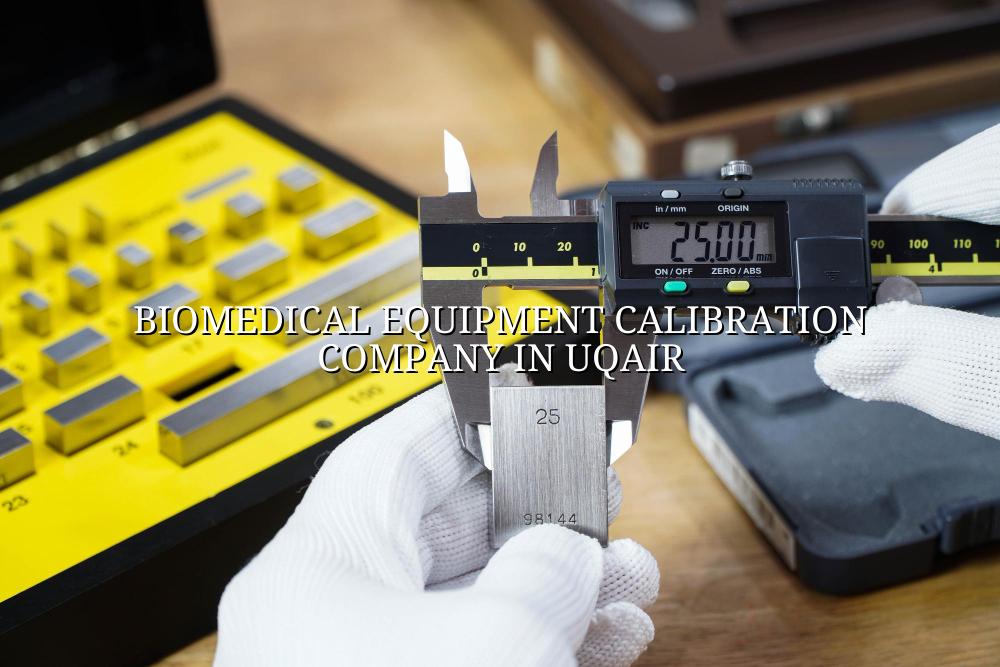
Biomedical equipment calibration company in Uqair is the phrase people use when they need patient-facing instruments checked with traceable records, not guesswork. If you're responsible for a clinic, hospital ward, lab, or maintenance team in the Eastern Province, this page shows how we keep biomedical devices accurate, defensible, and ready for audit.
We work with healthcare sites in Saudi Arabia and across the Middle East where temperature control, documentation discipline, and instrument traceability matter every day. Our mobile calibration lab and in-house laboratory give you practical options for on-site checks, controlled lab work, and pick-up and delivery when equipment needs special handling.
What a biomedical equipment calibration company in Uqair should cover
A proper biomedical calibration partner should do more than place a sticker on a device. We look at the instrument, the use case, the calibration point, the acceptance limits, and the paper trail that your QA team or biomedical engineering desk will actually use later. That means the work has to suit real healthcare equipment such as patient monitors, thermometers, incubators, analyzers, weighing devices, pressure devices, and other instruments used in hospitals and diagnostic settings.
Why healthcare teams ask for traceability first
In Saudi healthcare settings, the question is rarely just “does it work?” More often, managers want to know whether the results can stand up to internal audits, vendor reviews, and routine maintenance records. ISO/IEC 17025:2017 matters here because it supports the competence and traceability that procurement and quality teams expect when calibration data affects patient care.
Onsite work or controlled lab work?
Some devices are fine for onsite calibration in Uqair, Dammam, or nearby industrial and healthcare zones. Others need a controlled setting, especially when stability, temperature, or handling can change the result. Our team uses the mobile lab for field jobs and the temperature-controlled in-house lab for instruments that need tighter conditions. That mix saves time without treating every instrument the same.
- Identify the device and duty — we confirm the instrument type, model, serial number, and how it is used in the ward, lab, or support area.
- Check the condition first — visual inspection, battery status, accessories, cleanliness, and obvious damage are reviewed before any measurement starts.
- Compare against the reference — calibrated standards are used to test the device at relevant points so the reading makes sense for real use.
- Record results and status — pass, adjust, or repair recommendations are documented so your team knows what to do next.
- Return with traceable paperwork — the certificate and supporting notes help your maintenance and QA files stay clean and easy to review.
- Match calibration intervals to device criticality, not just calendar habit.
- Keep asset tags visible so instruments can be tracked during pickup, onsite work, and return.
- Separate clinical instruments from general-purpose workshop tools in your records.
- Ask for traceability to recognized standards before the job starts, not after.
- Use a controlled environment for devices that are sensitive to heat, humidity, or handling.
Typical biomedical equipment and the calibration focus each one needs
| Equipment type | What we check | Why it matters |
|---|---|---|
| Patient monitors | Display accuracy, alarm-related readings, probes, and measurement stability | Clinical decisions depend on readings being consistent and easy to trust |
| Thermometers and temperature devices | Reading accuracy across the working range, sensor response, and drift | Supports storage, screening, and patient-care temperature control |
| Weighing scales | Zero, span, repeatability, and load response | Useful for dosing checks, patient assessment, and lab support tasks |
| Pressure-related instruments | Linearity, stability, and comparison against traceable references | Important where medical gases, suction, or process pressures are involved |
How we keep biomedical records useful after the job ends
Most teams don't struggle with the physical calibration itself. The trouble starts later, when someone asks for a serial number, a certificate, or the instrument status from six months ago. That is why we keep the process tidy: the asset details are checked, the readings are recorded clearly, and the paperwork is built so your QA, engineering, and procurement people can follow it without chasing three departments.
What your internal team can expect
We can work with site maintenance staff, healthcare engineers, and store teams to reduce confusion at handover. If an instrument needs special handling, we can arrange pickup and delivery. If it fits onsite work in Uqair or nearby sites in the Eastern Province, the mobile calibration lab can handle the visit without disturbing the whole department.
Built for real hospital routines
We see the same pattern again and again: equipment sits in a ward, moves to stores, then comes back with missing accessories or unclear history. A clean calibration process saves time later. It also helps when your team needs to show consistent control across medical, maintenance, and quality records during audits or vendor reviews.
How the biomedical calibration workflow usually runs
For healthcare sites, the best workflow is simple to manage. We start with the device list and the site requirements, then decide whether onsite calibration, lab calibration, or collection is the safest route. After that, the instrument is checked against suitable references, the result is reviewed, and the certificate details are issued for your records. No drama. Just clear steps that fit a working hospital or clinic.
In Uqair, this approach is especially useful for facilities that support fast-moving clinical activity or mixed-use maintenance schedules. One department may need equipment back in service quickly, while another is preparing for an audit or periodic review. A structured workflow keeps both sides sane.
- Pre-job device identification prevents mix-ups when multiple similar units are in stores.
- Reference standards are selected to suit the measurement range, not just the device label.
- Field visits are practical when the instrument can be checked without disturbing care delivery.
- Lab-based work suits delicate instruments and items that need tighter environmental control.
How Mayon Industrial Services Can Help
We support biomedical calibration with the same discipline we bring to our wider ISO/IEC 17025 calibration work, plus mechanical services, inspection, and lab support. If your healthcare site in Uqair needs onsite checks, controlled laboratory work, or help planning a maintenance cycle, our team can keep the process practical and traceable. Reach out and we’ll help you choose the right route for the equipment on your floor.
Call +91 99447 80844 (India) or +966 59 633 8012 (Saudi Arabia), email services@mayonservices.com, or message us on WhatsApp.
Frequently Asked Questions
Yes, many devices can be checked onsite if the environment is suitable and the instrument can be tested safely at the location. Patient monitors, thermometers, weighing scales, and some pressure-related devices are often handled this way. If the item is sensitive, we may suggest pickup or lab work instead.
We do. Our calibration work follows the discipline expected under ISO/IEC 17025:2017, which is the kind of documentation healthcare and QA teams usually want when records need to stand up to review. The key is traceability, clear results, and a certificate that matches the instrument and the service performed.
Yes. Some biomedical instruments are better moved in a controlled way, especially when they are delicate, bulky, or need a temperature-controlled environment. We can arrange pickup and delivery where that makes the job safer and easier for your team.
It depends on the instrument, the tolerances involved, and the working environment. Onsite calibration works well when the device can be checked without disturbing clinical operations. Lab calibration is better when the instrument needs tighter environmental control or more careful handling.
Yes. We serve clients across Saudi Arabia and the wider Middle East, and we also support projects from India through our Medavakkam, Chennai head office. For biomedical work, the main thing is matching the site needs with the right service route and making the paperwork clean.
Need biomedical calibration you can document with confidence?
Send us the equipment list, and we’ll help you decide the right calibration path for your healthcare site in Uqair or nearby areas.
Contact Mayon