
Bolt Torquing Service Company in Marjan
Controlled tightening for flange joints, skids, piping and shutdown work in Marjan and nearby industrial zones.
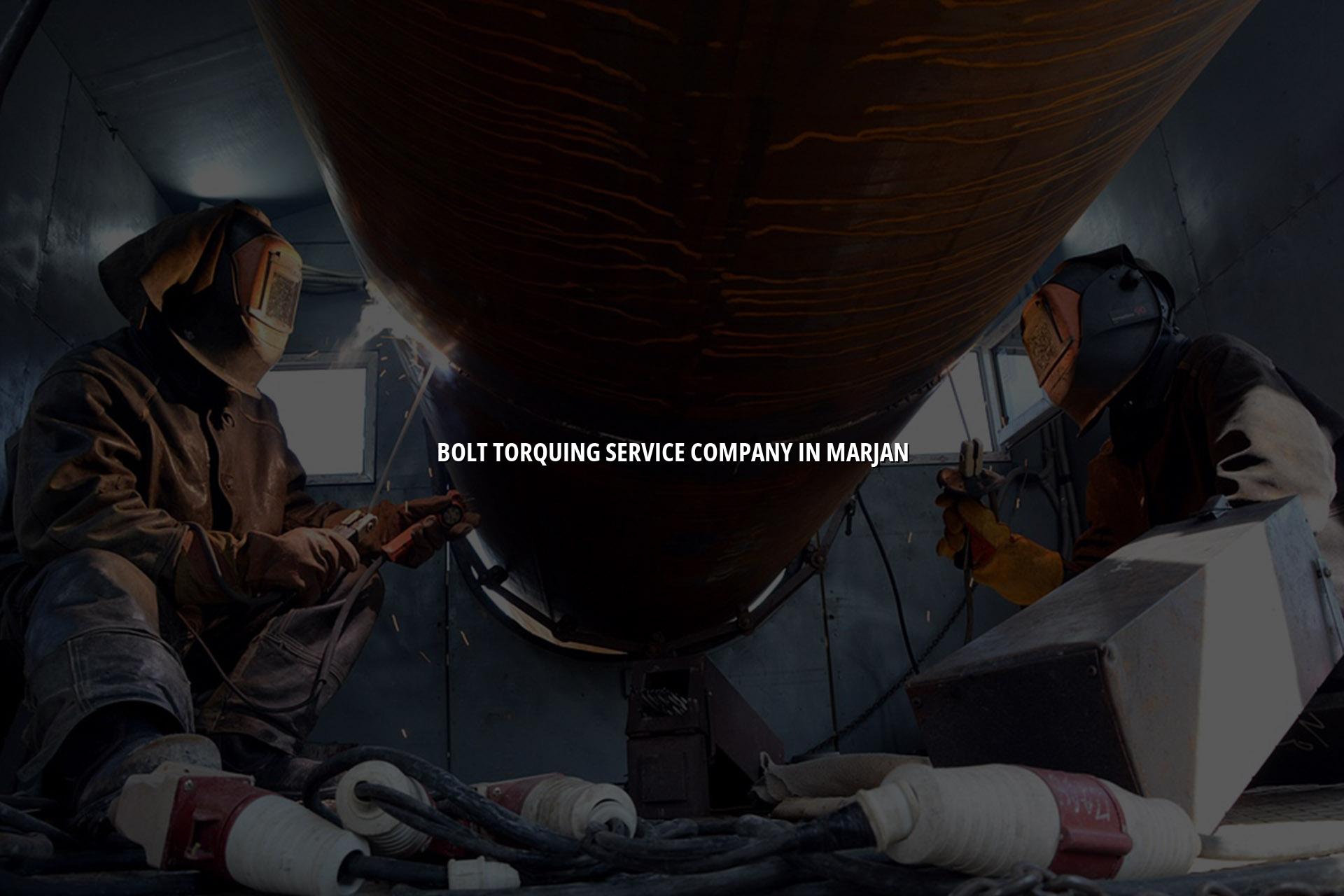
Bolt torquing service company in Marjan searches usually come from a real need: a flange, skid, or pressure joint that has to stay tight under heat, vibration, and process load. We help you get that joint closed correctly, with the right sequence, the right tools, and traceable records you can hand to site QA.
At Mayon Industrial Services, we support industrial work across Saudi Arabia with controlled torque application for oil and gas, petrochemical, power, and maintenance shutdown scopes. Our team works with the discipline you'd expect on critical assets, and we keep the process practical for field crews who need the job done cleanly.
Bolt torquing service company in Marjan for critical flange integrity
On Marjan-related projects and nearby Eastern Province operations, bolt torquing is rarely just a finishing touch. It affects seal compression, gasket life, vibration resistance, and whether a joint stays stable after pressure cycling. We see a lot of cases where the mechanical issue wasn't the bolt itself; it was uneven tightening, poor bolt condition, or a sequence that ignored the joint pattern.
What we check before any tightening starts
We look at the joint type, bolt size, lubricant condition, gasket type, flange condition, and access around the work area. If a joint needs staged tightening, final pull, or a cross-pattern approach, we plan that before the first wrench goes on the nut. For critical lines, that planning is what keeps the work from turning into a repeat callout.
How our field team handles the job
Our mechanical crew brings a field-first mindset. We prepare the bolts, confirm tool suitability, tighten in sequence, and document the work so your maintenance team has a clear record. When a scope sits inside a shutdown window, that discipline matters because there is no room for guesswork or a half-done flange.
- Joint review — we check bolt grade, flange condition, gasket type, and any access limits before work begins.
- Tool selection — we match the job to calibrated torque tools, tensioning equipment, or a controlled bolting method.
- Sequence tightening — we apply torque in the correct pattern so the load spreads evenly across the joint.
- Final verification — we confirm the joint, review the work record, and flag anything that needs follow-up before handover.
- Use calibrated torque tools; an unverified wrench is a weak link on a critical flange.
- Keep bolt threads clean and lightly prepared as per the site method statement.
- Tighten in stages, not in one hard pull, especially on larger flanges.
- Replace damaged fasteners instead of forcing reuse on a pressure joint.
- Record the final torque values and joint location for QA traceability.
Typical torque work options for industrial joints
| Work method | Best use | What it gives you |
|---|---|---|
| Manual torque tightening | Smaller flanges, routine maintenance, limited-access jobs | Controlled load with a simple, field-friendly setup |
| Hydraulic torque application | Large bolts, heavy joints, high-load service | Stable tightening force with better control on demanding assets |
| Controlled bolt tensioning | Critical joints that need even clamp load | Very uniform preload across the bolt set |
| Re-torque after settlement check | Jobs where the joint may settle after initial tightening | Extra confidence after the first run-up and service check |
Why Marjan sites ask for documented bolting work
In oil and gas, petrochemical, and power work, a flange joint often sits inside a bigger quality chain. People want to know what was tightened, by whom, with what tool, and on which assembly. That is especially true during shutdowns, tie-ins, and maintenance campaigns where several contractors are working in the same area.
What good records usually include
We keep the paperwork practical: job reference, joint location, torque method used, and any note about bolt replacement or rework. That kind of record helps your maintenance and QA teams later, especially if the line is revisited during a turnaround or inspection round.
Built for pressure, vibration, and shutdown work
Our team is used to site conditions where heat, access limits, and time pressure all show up at once. We support bolt torquing with the same mindset we bring to flange work, hydrotesting, and mechanical maintenance, so the joint is treated as part of the full system, not as a loose end.
How we handle bolt torquing on live industrial schedules
For teams working around Marjan, the question is usually not whether the job can be done. It is how to get it done without creating delay, rework, or an integrity problem later. We plan around access, lifting limits, shutdown timing, and the condition of the joint so the work fits the site, not the other way around.
When a scope includes multiple flange points, we can coordinate bolt torquing with related mechanical tasks such as flange facing, bolt tensioning, hydrotesting, or testing and commissioning. That reduces handover gaps. It also helps when the work has to move from one area to the next with different permit rules or access constraints.
When torqueing should trigger a wider check
If the bolts show uneven load, the flange faces are scored, or the gasket has already been disturbed, we usually recommend a closer look before final handover. A clean torque value on a bad joint doesn't fix the problem. It only hides it for a while.
- Suitable for shutdowns, tie-ins, and maintenance stops where every hour matters.
- Works well alongside flange work, hydrotesting, and commissioning scopes.
- Useful for joints exposed to vibration, thermal cycling, or process pressure.
- Helps maintenance teams standardize tightening across repeated flange assemblies.
What you should expect from a bolt torquing team
Good bolting work feels boring, and that is a good thing. The job should move from inspection to tightening to verification without drama. On site, that usually means a team that knows how to work around live plant constraints, uses the right tools, and doesn't treat every joint like the same job.
We also think the crew should speak plainly. If a bolt is damaged, if a flange face needs attention, or if a joint needs a second pass, you should hear that early. That saves time and protects the asset. It also keeps the maintenance manager from finding the issue after the scaffold or shutdown window has already gone.
Short list of things worth checking
Ask for tool identification, joint sequence, and a record of the final work. If your site has a method statement, the bolting crew should follow it. If the work sits inside a larger QA process, the records should be easy for your team to read and file.
- Clear method statement and scope review before tools come out.
- Proper bolt and flange inspection instead of blind tightening.
- Controlled sequence, not random tightening across the joint.
- Work record that your QA team can actually use later.
How Mayon Industrial Services Can Help
We support bolt torquing with the same discipline we bring to mechanical services, flange work, hydrotesting, and commissioning. If your Marjan project needs controlled tightening, documented records, or a crew that understands site pressure, we can help with the practical side of getting the joint right. For shutdowns, maintenance stops, or planned work across Saudi Arabia, talk to us and we'll map the job around your schedule.
Call +91 99447 80844 (India) or +966 59 633 8012 (Saudi Arabia), email services@mayonservices.com, or message us on WhatsApp.
Frequently Asked Questions
We do, through Mayon Industrial Services and our Saudi Arabia operating presence in Dammam Industrial City 2. The work is handled as part of a mechanical service scope, so the joint is checked, tightened, and documented with the bigger site picture in mind. That's the part most teams care about on critical plant work.
We check the bolts, flange faces, gasket type, lubrication condition, access, and the tightening sequence. If anything looks off, we slow down and correct it first. A torque value only means something when the joint setup is right.
Yes. That is one of the most common reasons clients call us. We can fit the bolting work into shutdown windows, tie-ins, and maintenance stops, and we can coordinate it with related mechanical tasks so the crew doesn't keep waiting on each other.
We can provide job records that show the scope, joint location, and work done. That's useful for QA files, maintenance history, and later reviews during turnaround planning. It keeps the handover simple for your team.
Yes, and in many cases that's the smarter way to run the job. If the scope includes flange work or hydrotesting, we can plan the mechanical steps together so the sequence makes sense and the site doesn't lose time moving between separate crews.
Ready to get the bolts tightened the right way?
If you need controlled bolting support in Marjan, send us the scope and we'll help you plan the next step.
Contact Mayon