
Calibration Equipment Supplier in Arar
Supply, calibration support and setup advice for industrial teams that need traceable equipment in Arar and nearby Saudi industrial zones.
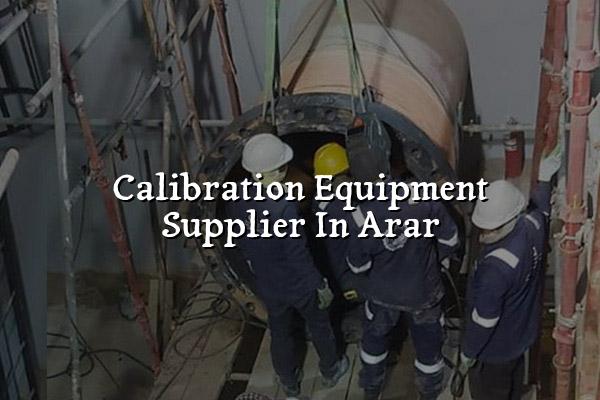
Calibration equipment supplier in Arar is the phrase most buyers use when they need traceable instruments, dependable paperwork, and support that actually fits an industrial shutdown plan. If that's your situation, this page will help you see what to source, what to check, and how to keep your measurement chain ready for audit.
We work with maintenance teams, QA managers, and project engineers who need calibration-ready equipment for oil & gas, petrochemical, power, cold chain, manufacturing, and engineering work across Saudi Arabia. In Arar, the practical questions are simple: can the instrument be traced, can it be used onsite, and can the supplier support the setup without wasting your crew's time?
What a Calibration Equipment Supplier in Arar Should Provide
A serious calibration equipment supplier in Arar should do more than hand over a box. You need traceable equipment, clear model identification, supporting documentation, and a supplier who understands onsite use in Saudi conditions. For many sites, that means pressure comparators, dead weight testers, temperature baths, multimeters, loop calibrators, reference gauges, torque tools, and accessories that support electro-technical, pressure, thermal, mechanical, and dimensional work.
Why traceability matters on site
When a client in Arar asks for supply support, we usually start with the end use. A gauge used in a skid room, a thermometer used in a cold store, or a pressure standard used during maintenance all need a known reference chain. ISO/IEC 17025:2017 traceability matters because it gives your team confidence that the equipment is not just new, but suitable for calibration workflows that can stand up during internal checks and customer reviews.
Where equipment choice goes wrong
Most problems start with buying for the brochure instead of the job. An instrument may look fine on paper, but the range, resolution, material, or environmental limit doesn't match the site. In Arar and across the Northern Border region, we often see teams under-specify thermal equipment, forget transport protection, or skip the question of whether pickup and delivery is needed for instruments that should stay in controlled conditions.
- Define the measurement need — list the unit, range, tolerance, and the machine or process it supports.
- Check the traceability path — ask how the reference standard connects to ISO/IEC 17025:2017 calibration records.
- Match the environment — decide if the equipment will stay in a lab, travel onsite, or move between both.
- Confirm service support — make sure the supplier can help with commissioning, training, repair, and later recalibration.
- Ask for equipment that fits your actual range, not just a generic model.
- Keep reference standards and working instruments clearly separated.
- Use pickup and delivery for sensitive items that need controlled handling.
- Keep copies of certificates, serial numbers, and asset tags in one file.
- Plan for onsite use if shutdown windows are short.
Common Calibration Equipment Choices for Arar Projects
| Equipment Type | Typical Use | Best Fit |
|---|---|---|
| Pressure comparators | Checking gauges, transmitters, switches | Oil & gas skids, utilities, workshops |
| Temperature baths | Thermometer and probe verification | Cold chain, process plants, labs |
| Dead weight testers | Primary pressure reference work | Calibration labs and high-accuracy checks |
| Torque tools and accessories | Bolt tightening and verification work | Mechanical maintenance and shutdowns |
How to Judge Supplier Support Before You Place an Order
The best suppliers save you work after delivery. Look for equipment that arrives with clear model details, relevant calibration status, and practical guidance for use at site. For teams in Arar, that can mean support for factory acceptance, deployment to the workshop, or setup in a control room where space and access are tight.
Questions worth asking early
Ask whether the equipment is meant for lab use, onsite use, or both. Ask what happens if an instrument needs controlled transport, pickup, or delivery after service. Ask how the supplier handles calibration disciplines such as pressure, thermal, electrical, mechanical, mass & volume, torque & force, and whether they can align the supply plan with your maintenance schedule instead of forcing you to work around theirs.
What good support looks like
Clear identification, traceable documentation, and a team that can keep talking after the sale. That matters in Arar because shutdown work is rarely neat, and equipment issues have a habit of showing up at the worst possible moment.
Buying Calibration Equipment for Industrial Teams in Arar
Industrial buyers usually want the same four things: accuracy, durability, serviceability, and paperwork that matches the site file. We see this across Saudi Arabia, especially in oil & gas and petrochemical operations where a mismatch between the job and the tool causes repeat visits. If the equipment will be used across multiple technicians, choose items that are easy to identify, store, and protect.
It also helps to think beyond the initial order. A supplier should be able to support repairs, maintenance, replacement parts, and training for technicians who need to use the equipment correctly. If you're building or upgrading a lab, that same supplier may also help with lab design, setup, installation, and commissioning so the instruments are supported by a proper workflow.
For many Arar clients, the most useful setup is a mix of lab-backed equipment and mobile calibration capability. Our in-house temperature-controlled laboratory handles instruments that need special conditions, while mobile calibration support helps when the plant can't spare the assets for long. That blend keeps work moving without pushing the whole job into one rigid method.
If your team also needs inspection, mechanical services, PAT testing, temperature mapping, or orbital welding support, it's sensible to work with one partner who can cover the adjacent tasks. Fewer handovers. Fewer missing records.
How Mayon Industrial Services Can Help
Mayon Industrial Services supports Saudi clients with calibration equipment supply guidance, ISO/IEC 17025:2017 calibration, mobile-lab service, and lab setup help when your site needs more than a single instrument. We also back that up with mechanical services, inspection, training, and repair support, so your team isn't left chasing different vendors for connected jobs. If you need a calibration equipment supplier in Arar who understands field realities, talk to us and we'll help you choose the right route.
Call +91 99447 80844 (India) or +966 59 633 8012 (Saudi Arabia), email services@mayonservices.com, or message us on WhatsApp.
Frequently Asked Questions
Start with the supplier's ability to support your exact measurement need, not just sell a catalog item. In Arar, industrial teams usually need help with pressure, thermal, electrical, and mechanical equipment, plus practical support for onsite use. Ask for traceability, model details, and whether the supplier can also help with calibration and commissioning.
Common items include pressure comparators, dead weight testers, temperature baths, reference gauges, multimeters, and torque tools. Oil and gas sites also benefit from equipment that can travel onsite and still keep traceability records clear. The right list depends on whether you're supporting maintenance, shutdown work, or a permanent lab.
Check whether the equipment can be tied to a traceable calibration chain and whether the documentation is clear enough for your records. The instrument should have the right range, resolution, and stability for the job. If you're unsure, ask the supplier to explain how the item fits the calibration discipline you're working in.
Yes, and that's often the better route for industrial clients. Onsite work avoids moving sensitive instruments more than needed, and a mobile calibration lab helps when plant access is limited. It also makes it easier to coordinate with shutdowns and commissioning windows.
Check the pressure range, the medium you'll use, the fittings, and the level of accuracy you need. Make sure the setup matches the gauges or transmitters you actually calibrate. A pressure system that looks impressive but doesn't suit the site ends up sitting on the shelf.
Yes, we do. Many clients need more than equipment; they need layout advice, installation support, commissioning, and a practical way to manage references, working standards, and records. That's where a proper lab setup conversation saves a lot of rework later.
Need the right calibration equipment for your Arar site?
Choose equipment that fits the job, supports traceability, and keeps your team ready for audits and maintenance work.
Contact Mayon