
Calibration Lab Setup Company in Haradh
Plan and build a calibration lab in Haradh with the traceability, layout and equipment discipline industrial sites expect.
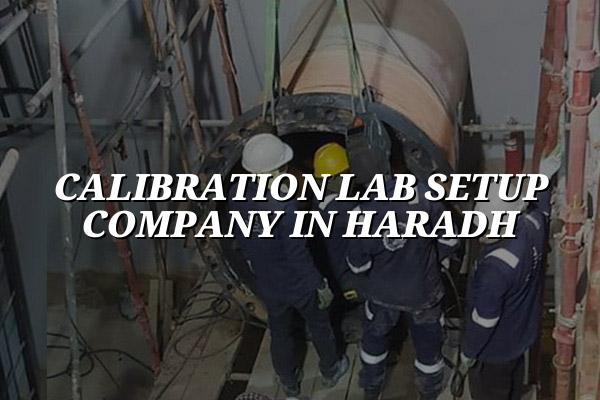
Calibration lab setup company in Haradh projects usually start with one question: what do you need the lab to do on day one, and what will it have to handle a year later? We help you answer that before the first cabinet is fixed in place, so the lab works for real instruments, real traffic and real audit checks.
In Haradh and the wider Saudi industrial belt, lab design has to support traceability, temperature control, safe instrument flow and the kind of documentation maintenance teams expect from an ISO/IEC 17025 environment. That means the room, the utilities, the equipment list and the workflow all need to fit together, not sit there as separate drawings.
What a calibration lab setup company in Haradh should plan first
The best calibration lab setup company in Haradh will begin with instruments, not furniture. Pressure, temperature, mass, electrical and dimensional work all need different bench layouts, storage conditions and environmental control, and that is before you think about access, loading space or the route for incoming instruments. For Saudi clients, we also keep the document trail clear from the start so the lab can support internal quality systems and customer traceability from commissioning onward.
Design the room around the work, not the other way round
A calibration lab is easier to run when the flow is obvious. Dirty instruments should not cross paths with cleaned items, the metrology area should not sit beside a noisy repair bay, and sensitive equipment should not be placed where heat from compressors or direct sunlight can shift readings. We see this often in industrial projects around Haradh, where space is useful but planning has to be tighter than that.
Build the utility map early
Power quality, earthing, compressed air, chilled or temperature-controlled zones, drainage, network points and safe storage all affect how well the lab performs. If you are setting up hydrotest or pressure calibration benches, for example, the pipe routing and isolation points need to be thought through before procurement. The same goes for electrical calibration, where stability and clean wiring matter more than people expect.
- Define the scope — list the disciplines you want on day one, such as pressure, temperature, mass, torque, electrical or dimensional work.
- Map the workflow — set the path for receiving, inspection, calibration, tagging, packing and dispatch so instruments do not bounce around the room.
- Select the equipment set — choose reference standards, fixtures, workstations and storage that match the scope, not a generic showroom bundle.
- Commission the environment — verify temperature control, lighting, utilities, bench placement and data handling before live jobs start.
- Keep the lab floor plan close to the instrument flow so technicians are not carrying delicate items across busy work zones.
- Plan for pick-up and delivery if some instruments need special conditions or can’t be moved easily.
- Choose reference equipment that matches your actual calibration range, not the widest brochure claim.
- Separate repair activity from calibration work so contamination and scheduling problems stay under control.
Core elements of a Haradh calibration lab build
| Lab element | Why it matters | Typical setup focus |
|---|---|---|
| Environmental control | Supports repeatable measurements and stable reference conditions | Temperature management, airflow, glare reduction |
| Bench layout | Improves safety and reduces handling errors | Clear work zones, tool access, instrument movement path |
| Reference standards | Defines the scope and accuracy of the lab | Pressure, temperature, electrical, mass or torque standards |
| Documentation system | Protects traceability and job history | Asset register, calibration records, labels, reports |
Why ISO/IEC 17025 planning matters from the first sketch
When a client asks for an ISO/IEC 17025-ready lab, they are usually asking for more than a certificate on the wall. They want confidence that the layout, reference chain, records and methods will hold up under customer review and internal quality audits. That is why we build the design around actual calibration disciplines and documented control points.
Quality control should live inside the process
We like to place checks where technicians already work: receiving inspection, before-use checks, reference verification, label control and final release. That keeps the lab practical. It also helps when you are supporting oil and gas, petrochemical, power, manufacturing or cold-chain clients who need clear evidence that the job was done right.
Built for Saudi industrial use
Haradh projects often need the same lab to support field instruments, plant maintenance and periodic customer work. We account for that pressure by planning enough bench space, controlled storage and a sensible intake process, so the lab does not fall apart once the first busy week arrives.
What gets specified during a lab setup project
Most clients need help deciding what to buy first and what can wait. For example, a small in-house lab may begin with pressure comparators, temperature baths, dead weight testers, a few support fixtures and proper storage for reference items. A larger facility may also need benches for electrical calibration, torque tools, mass sets and a temperature-controlled room for sensitive work.
We also look at supporting products that help the lab stay useful in the long run. That can include hydrotest manifolds, hydraulic cylinders, filtration pumps or custom fabrication where the standard catalog option simply does not fit the job. If the lab is part of a wider maintenance base, we factor repair and maintenance access into the design so the team can keep working without cluttering the measurement area.
How the setup supports plant teams, contractors and test labs
In Haradh, the lab often supports field technicians who need quick handling of pressure gauges, transmitters, thermometers, indicators and electrical devices. A good layout keeps the work moving without turning the room into a storage yard. If you also serve nearby industrial sites, the lab should be able to handle incoming instruments from different teams without mixing records or losing serial traceability.
We have found that the second round of design decisions matters just as much as the first. The first round picks the visible items. The second round decides whether the lab can actually run with one technician, two technicians or a rotating maintenance team during a busy shutdown period.
How Mayon Industrial Services Can Help
We set up calibration labs for industrial clients who need the room to work on the ground, not just on paper. That includes lab design, equipment selection, installation, commissioning, calibration support and the practical details around instrument flow, documentation and controlled storage. If your Haradh project also needs onsite calibration, mobile-lab support, repair work or training, we can line the pieces up with the same team.
Call +91 99447 80844 (India) or +966 59 633 8012 (Saudi Arabia), email services@mayonservices.com, or message us on WhatsApp.
Frequently Asked Questions
We plan the lab around the work you need to perform, then help with the layout, equipment list, installation and commissioning. For many clients, that also includes thinking through receiving, storage, traceability and how instruments move through the room without confusion.
Start with the scope, because the scope drives the room, the utilities and the reference standards. From there, make sure the workflow, recordkeeping and control points are designed into the space so your lab can support quality reviews and traceable work.
That depends on your scope, but many small labs begin with pressure, temperature or electrical reference items, good benches, storage and a proper label and records system. If the lab will support plant maintenance, you may also need fixtures, test accessories and a clean intake area for returned instruments.
Yes, we can handle the lab design work and support the installation and commissioning side too. That way the room, the equipment and the workflow come together as one project instead of separate vendor pieces.
Yes. We support onsite and in-lab calibration, and we also have a mobile calibration lab for jobs that need field handling. That helps when the instrument is fixed in place, difficult to move, or needs special conditions during transfer.
Ready to plan a calibration lab that actually works?
If you're setting up a lab in Haradh, let's make sure the scope, layout and equipment fit the job from the start.
Contact Mayon