
Calibration Labs Setup Consulting in Spark
Plan a calibration lab that supports traceability, safe workflow, and practical day-to-day use from day one.
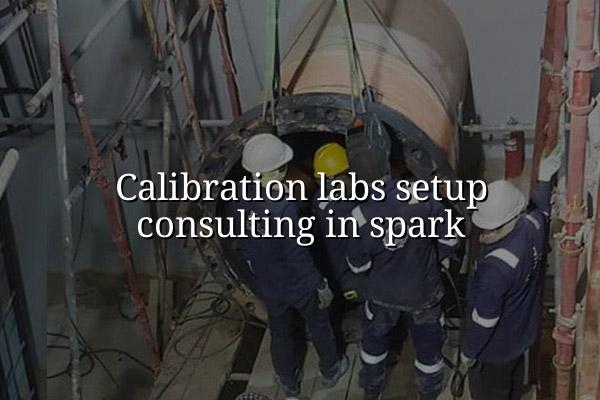
Calibration labs setup consulting in Spark helps you turn an empty room, a retrofitted industrial space, or a planned expansion into a lab that actually works for daily calibration work. We help you think through layout, utilities, workflow, equipment placement, traceability, and the documents you’ll need before instruments start arriving.
That matters in India, Saudi Arabia, and the wider Middle East because customers expect clean traceability, practical handling, and a lab that can cope with production pressure. In our work, the problems usually show up early: poor bench spacing, unstable power, no temperature control, or a design that looks neat on paper but gets messy the moment technicians start moving instruments around.
Calibration labs setup consulting in Spark for start-to-finish planning
For a calibration lab, the first decision is rarely the bench or the wall color. It’s the work you want the lab to handle: electrical, pressure, mass, torque, temperature, dimensional, biomedical, or a mix of them. Once that is clear, we can map the space around equipment flow, test areas, storage, quarantine zones, and the movement of instruments between receiving, cleaning, calibration, review, and dispatch. If the layout supports that flow, the lab feels calm. If it doesn’t, even a good team spends time undoing avoidable mistakes.
What we look at before equipment is bought
We start with the building and the job, not a shopping list. That means checking floor loading, air conditioning needs, power quality, earthing, lighting, access for deliveries, and whether the room can support stable work for sensitive instruments. For ISO/IEC 17025:2017 work, the lab also needs a traceable system for equipment control, environmental monitoring, and records. In Spark, as in most industrial sites, a clean plan beats an expensive fix later.
Why the workflow matters as much as the hardware
A lab can own excellent comparators, baths, dead weight testers, or reference standards and still perform badly if the workflow is awkward. We see this often in retrofit projects. Technicians end up crossing paths, instruments wait in the wrong area, and the documentation table becomes a storage table. Good consulting protects your day-to-day movement: one-way handling where possible, clear segregation for incoming and outgoing items, and enough room for verification without crowding the operator.
- Define the service scope — list the calibration disciplines, expected volumes, and whether you need in-house, onsite, or mobile lab support.
- Survey the site — check room size, power, ventilation, temperature stability, access, safety points, and instrument movement routes.
- Build the layout — place benches, reference equipment, quarantine space, storage, and documentation areas around the actual workflow.
- Specify utilities and controls — plan power, earthing, HVAC, clean storage, environmental logging, and any special handling conditions.
- Commission and verify — test the setup, confirm the flow, train the team, and close gaps before live work starts.
- Keep receiving, calibration, and dispatch areas separate where the space allows.
- Use stable benches and adequate clearances so technicians can work without bumping reference items.
- Plan a temperature-controlled area if your work depends on tighter environmental control.
- Reserve space for records, equipment tags, and status labels from the beginning.
- Choose instruments and fixtures around current demand, then leave room for growth.
- Build a simple route for pickup and delivery when special handling is needed.
Reference points for a practical calibration lab setup
| Planning Area | What to Check | Why It Matters |
|---|---|---|
| Layout | Bench spacing, movement paths, storage, and review area | Prevents crowding and keeps instruments moving in one clear direction |
| Utilities | Power quality, earthing, HVAC, lighting, and ventilation | Supports stable calibration work and reduces avoidable variation |
| Environmental control | Temperature stability, monitoring, and controlled storage | Protects sensitive equipment and supports traceable results |
| Documentation flow | Receiving, status labels, records, and dispatch control | Makes it easier to track instruments through the full process |
Building for ISO/IEC 17025 expectations from the start
When a client asks for calibration lab setup consulting, they usually want more than a layout drawing. They want a lab that can stand up to customer audits, internal reviews, and the routine pressure that comes with production support. That’s where traceability, documented control, and a sensible equipment strategy come in. We keep the design aligned with ISO/IEC 17025:2017, ISO 9001:2015, BS EN standards where relevant to inspection work, and EURAMET CG-15 for electrical calibration context.
What usually gets missed
The missed items are often ordinary things: where reference standards will be stored, how incoming instruments are identified, where damaged items are held, and how the lab records environmental conditions. These are not fancy details. They decide whether your team can work without confusion on a busy Tuesday morning in Chennai, Dammam, or a plant site in the GCC.
Designed for the job you actually do
We look at the instruments you handle now, the ones you plan to add, and the way your team really works. Then we shape the space so the lab supports calibration, review, storage, and dispatch without turning into a bottleneck.
How a proper lab design brief keeps costs in check later
Most trouble starts before the first cabinet is fixed in place. A rushed brief leads to wrong purchases, awkward cable routes, insufficient cooling, or a room that cannot handle the type of instruments you want to calibrate. A clear consulting brief gives your contractor and technical team the same target. That makes procurement easier, commissioning cleaner, and troubleshooting far less painful.
Pick equipment after the workflow, not before it
We prefer to identify the process first and the equipment second. For example, if your lab needs thermal work, the bath or chamber requirements influence bench placement, spacing, power load, and the handling route. If you support pressure work, access to comparators, manifolds, and safe storage becomes part of the room logic. The same principle applies to mass, torque, and electrical calibration.
Think beyond day one
A lab that works on opening day can still fail six months later if there is no room for growth. We plan for new scopes, extra storage, a second shift, or additional reference equipment where the business case points that way. In practical terms, that means keeping a little space in reserve instead of filling every corner immediately.
- Match the room to the calibration disciplines you actually serve.
- Keep utilities visible and maintainable, not hidden behind fixed clutter.
- Allow a clean path for incoming and outgoing instruments.
- Keep records, labels, and status control simple enough for a busy team to follow.
What the consulting process looks like in real life
Every site is a little different, but the pattern is usually familiar. We begin with the scope and site survey, move into the layout and utility plan, then refine equipment placement, documentation flow, and commissioning needs. If a client is setting up in an industrial zone such as Chennai or Dammam, we also pay attention to delivery access, utility reliability, and the practical constraints of operating in a live industrial environment.
That is especially useful for companies building a lab to support plants in oil and gas, petrochemical, power, manufacturing, healthcare, or cold-chain operations. Those sectors do not want a lab that only looks good in a drawing. They want one that can be used, maintained, and audited without drama.
Consulting that connects design to operations
We help align lab design with calibration service needs, mobile support, pickup and delivery, and the records you’ll need to keep the lab running cleanly. The goal is simple: fewer surprises after handover.
How Mayon Industrial Services Can Help
Mayon Industrial Services helps you plan calibration labs with the same care we bring to calibration, mechanical services, inspection, orbital welding, and lab setup projects. We’ve worked with industrial clients across India, Saudi Arabia, and the Middle East, so we know the difference between a presentation-ready idea and a lab that can handle real instruments, real deadlines, and real audits. If you want a practical setup plan, we’re ready to help you shape it.
Call +91 99447 80844 (India) or +966 59 633 8012 (Saudi Arabia), email services@mayonservices.com, or message us on WhatsApp.
Frequently Asked Questions
It usually covers site review, workflow planning, lab layout, utility planning, equipment positioning, and support for commissioning. We also look at practical items like receiving space, storage, and how instruments move through the lab. If you’re building for ISO/IEC 17025 work, that traceability thinking needs to be in the design from the beginning.
Start by grouping the disciplines that share equipment, environmental needs, or handling methods. Electrical, pressure, thermal, and mechanical areas often need different benching and control points, so they should not be forced into one generic plan. A good layout keeps the work separated enough to stay orderly, but not so split that technicians waste time walking back and forth all day.
Yes. New-build projects are easier because the space can be shaped around the workflow, but retrofit work is common too, especially in industrial facilities that need to convert an existing room. In retrofit projects, we pay extra attention to utilities, access, and whether the room can support the instruments without costly structural changes.
For calibration work, ISO/IEC 17025:2017 is the main reference for competence and traceability. If the wider quality system needs to be aligned, ISO 9001:2015 is also relevant. For electrical calibration context, EURAMET CG-15 helps guide practice, while BS EN standards come into play for lifting and inspection-related work.
Yes, we support clients in Saudi Arabia and across the Middle East, alongside our India base in Chennai. That regional experience matters because industrial sites often need practical handling, reliable traceability, and a setup that fits the way plants operate in oil and gas, power, manufacturing, and cold-chain sectors.
We can help you choose equipment based on the scopes you want to serve, not just on a catalogue list. That means thinking about reference standards, benches, fixtures, control instruments, storage, and what your team will really use every week. A sensible choice now usually saves you from changing the room later.
Ready to plan a lab that works in the real world?
If you want calibration labs setup consulting in Spark that fits your site, your instruments, and your compliance goals, talk to Mayon Industrial Services.
Contact Mayon