
Calibration Services Company in Dammam
Traceable calibration support for plants, workshops and field teams serving Dammam and the wider Eastern Province.
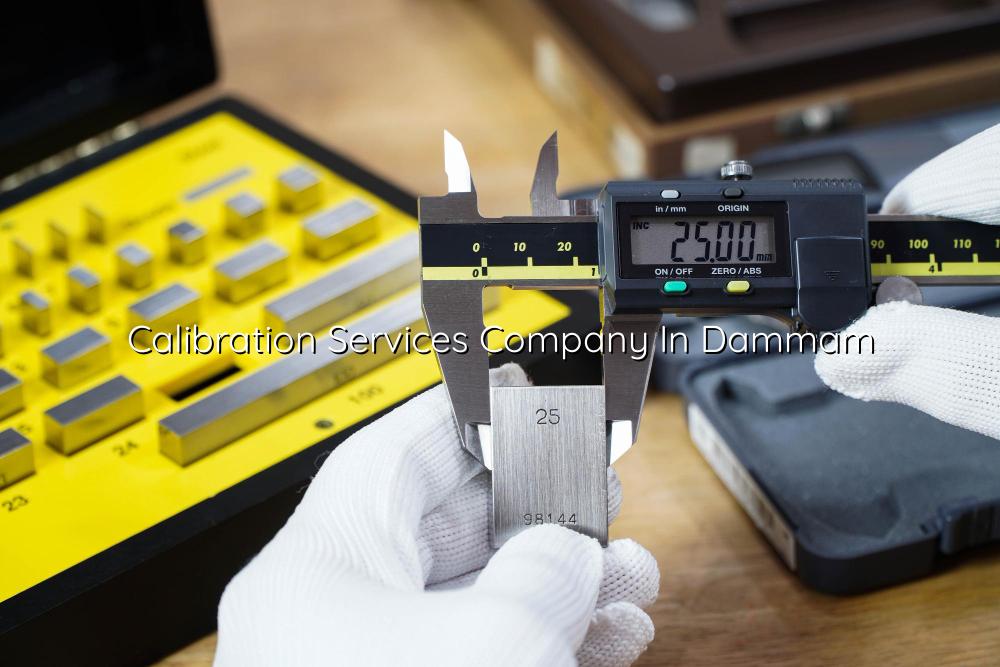
Calibration services company in Dammam is what you need when instruments must stay traceable, audit-ready and trusted on the plant floor. We help you keep measurements under control, reduce reject rates and avoid the kind of drift that only shows up after a shutdown or a failed inspection.
Our team works with industrial clients in Saudi Arabia from Dammam Industrial City 2, and we also support projects across India and the Middle East. In practice, that means onsite calibration, mobile-lab support and in-lab work for equipment that needs tighter environmental control.
What a calibration services company in Dammam should cover
For most plants in Dammam, Jubail and the wider Eastern Province, calibration is not just a certificate file. It affects safety checks, quality release, maintenance planning and the confidence your operators have in the readings on pressure gauges, temperature probes, electrical test gear and torque tools. We work to ISO/IEC 17025:2017 principles, so traceability and measured uncertainty stay part of the job, not an afterthought.
Onsite work that fits live operations
Many customers ask for onsite service because moving instruments offsite can disrupt shift work, logistics and production. Our mobile calibration lab helps with field instruments, while our in-house laboratory handles items that need temperature control or a cleaner setup. For delicate tools, we can also arrange pick-up and delivery so the instrument is handled properly from start to finish.
Why Dammam buyers care about proof, not promises
Procurement and QA teams in Saudi Arabia usually want three things: traceability, documentation and repeatability. That is especially true in oil and gas, petrochemical, power and manufacturing sites where a small drift in a pressure transmitter or thermometer can create a much bigger problem downstream. We keep the work practical and the paperwork clear, so your team can file it without chasing missing details.
- Identify the instrument group — separate pressure, thermal, electrical, mechanical and dimensional tools before the visit.
- Check the usage point — note whether the item stays in the field, on a production line or in a lab bench setting.
- Choose the right setup — onsite calibration suits many routine tools, while controlled lab conditions suit higher sensitivity items.
- Review the certificate trail — make sure the serial number, results and traceability chain match the instrument you sent.
- Use one calibration list for gauges, meters, torque tools and temperature devices.
- Keep critical instruments tagged so the next due date is easy to track.
- Ask for onsite support when shutdown windows are short.
- Send special-condition items to the lab when controlled handling matters.
Calibration options and where they fit best
| Service option | Best use | Typical site fit |
|---|---|---|
| Onsite calibration | Routine instruments used in production or maintenance | Refineries, factories, workshops and utility plants |
| In-lab calibration | Items needing tighter environmental control and careful handling | Labs, QA rooms and sensitive measurement sets |
| Mobile calibration lab | Field support with less downtime and fewer movements | Plants with active operations and limited access windows |
| Pick-up and delivery | Instruments needing special conditions or secure transport | Sites that want controlled movement between plant and lab |
Why calibration matters to maintenance and QA teams
When an instrument drifts, the cost often appears somewhere else. A pressure switch may trip late, a thermometer may report the wrong reading in a cold room, or a torque tool may leave a flange joint outside the expected range. That is why calibration should sit close to maintenance, inspection and quality planning, not be treated as a once-a-year file check.
Common instruments we see in Dammam projects
Our calibration work covers electro-technical, pressure, mechanical and thermal disciplines, along with mass, volume, torque, force, noise and speed. We also support concrete batching plant and civil calibration where project teams need documentation that stands up during audits and handover reviews. For Saudi clients, that mix matters because industrial sites rarely run on one instrument type alone.
Built for plant reality
We plan around your shutdowns, access rules and instrument condition. If a unit needs extra care, we can route it to the lab, then send it back with the records your team needs for internal checks and external review.
Calibration links into more than one service line
Condition monitoring
Vibration analysis, laser shaft alignment, ultrasound monitoring and infrared thermography help you see problems before they turn into breakdowns. That is useful in rotating equipment, compressors and utility systems where instrumentation and machine condition often tell the same story.
Mechanical and electrical support
Cold cutting, hydrotesting, bolt torquing, testing and commissioning sit naturally beside calibration in shutdown and start-up work. When relays, current transformers or pressure systems are involved, the measurement chain needs to make sense from end to end.
Laboratory setup
If your team is planning a new lab, our design and setup service helps with layout, installation and commissioning. That is a practical route for clients who want internal control before they expand operations or formalize maintenance documentation.
How Mayon Industrial Services Can Help
If you are looking for a calibration services company in Dammam that understands plant schedules, instrument handling and traceability, we can help. Our team covers calibration, inspection, mechanical services, orbital welding, lab setup and training, so you can deal with one practical partner instead of several disconnected vendors. Tell us what instruments you have, where they are used and what documentation your team needs.
Call +91 99447 80844 (India) or +966 59 633 8012 (Saudi Arabia), email services@mayonservices.com, or message us on WhatsApp.
Frequently Asked Questions
We handle both. Onsite work suits many field instruments and reduces downtime, while the in-house laboratory is better for items that need controlled conditions or careful transport. That mix is useful for plants in Dammam, Jubail and nearby industrial zones.
Yes. Our calibration work is aligned with ISO/IEC 17025:2017 expectations for traceability and competence, which is what many QA and procurement teams want to see on a certificate. That matters especially in oil and gas, petrochemical and power environments where records are reviewed closely.
Often, yes. We regularly plan mixed-scope visits so pressure gauges, thermometers, electrical test instruments and related tools can be handled together where site conditions allow. That saves your team from arranging separate visits for each discipline.
We support oil and gas, petrochemical, power, construction, healthcare, pharmaceutical, cold chain, food and beverage, manufacturing and engineering. The job changes by site, but the need is usually the same: reliable instruments, clean documentation and a team that understands industrial work.
Yes, we can arrange pick-up and delivery for instruments that should not be moved casually. That helps with sensitive equipment, temperature-dependent items and tools that need secure handling between the site and the lab.
Ready to get your calibration schedule under control?
If you need traceable support in Dammam or across Saudi Arabia, we can help you plan the next step and keep the paperwork straight.
Contact Mayon