
Calibration Services Company in Safwa
Traceable calibration support for plants, maintenance teams and QA departments in Safwa and the Eastern Province.
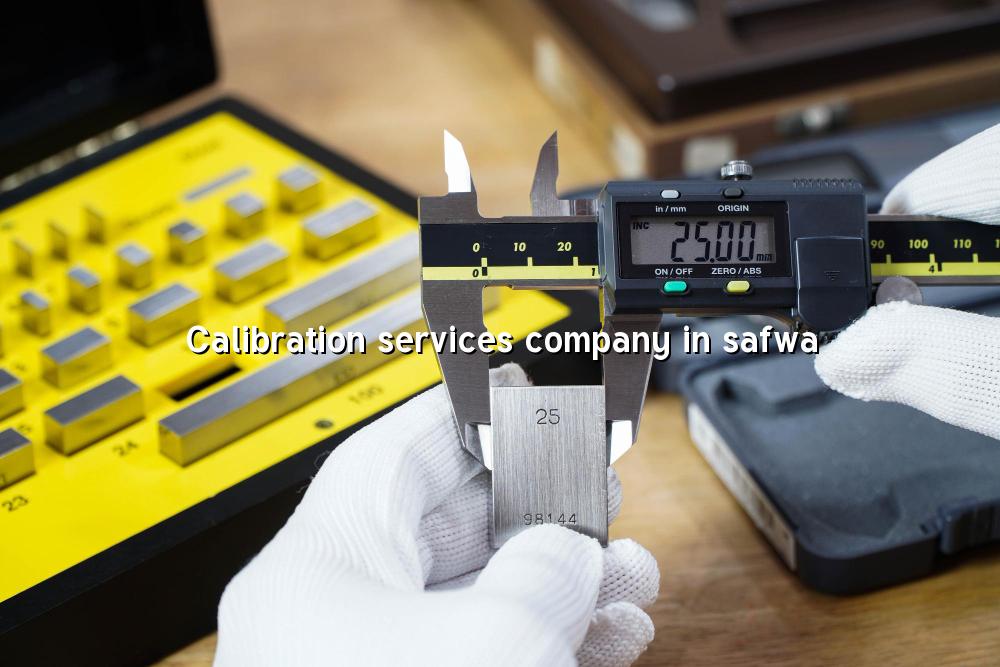
Calibration services company in Safwa is the phrase many maintenance teams use when they need accurate instruments, traceable certificates, and a partner who can work around plant schedules. That’s exactly what we help with: instrument calibration that keeps pressure, electrical, temperature and mechanical assets ready for audits and real production work.
From Safwa to the wider Eastern Province, the pressure is familiar. You need clean paperwork, clear traceability, and a team that understands industrial shutdowns, QA checks and the way Saudi plants actually run. We handle that with onsite capability, an in-house temperature-controlled lab, and a mobile calibration lab when the job can’t wait for transport.
What You Get From a Calibration Services Company in Safwa
When a plant in Safwa searches for calibration support, the real need is rarely just a certificate. You’re trying to keep instruments within tolerance, protect product quality, and avoid the kind of drift that shows up later as a batch issue, a safety concern, or a failed inspection. We work to ISO/IEC 17025:2017 principles, and that matters because traceability and method discipline are what most QA teams ask for first.
Why onsite work matters in the Eastern Province
Some instruments can be removed without drama. Others belong to a line, a skid, a utility network or a cold-room system that should not be disturbed. For those jobs, onsite calibration saves time and reduces handling risk. Our mobile calibration lab helps when instruments need controlled conditions or when moving them would create more problems than it solves. It’s a practical fit for oil & gas, petrochemical, power and cold-chain sites around Safwa, Dammam and nearby industrial areas.
What our team checks before issuing results
We don’t treat calibration like a paperwork exercise. A technician should understand the range, the application and the condition of the instrument before any readings are taken. That means checking identifiers, confirming the requested discipline, comparing results against the needed tolerance and documenting what the client can use during internal review or audit. In our experience, that front-end discipline saves a lot of back-and-forth later.
- Review the instrument list — we confirm type, range, location and whether the item can come to the lab or must stay onsite.
- Select the method — electro-technical, pressure, thermal, mechanical or dimensional checks are matched to the instrument and its use.
- Carry out calibration — our team performs the work using controlled procedures and records the readings for traceability.
- Issue the report — you receive the results needed for QA files, maintenance records and audit follow-up.
- Suitable for plant rooms, workshops, labs and utility areas
- Useful for pressure, temperature, torque, electrical and dimensional instruments
- Built for teams that need traceable documentation, not guesswork
- Helpful for shutdowns, planned maintenance and pre-audit checks
Which Calibration Discipline Fits Your Site?
| Instrument group | Typical site need | How we support it |
|---|---|---|
| Pressure instruments | Process loops, pumps, compressors and test benches | Bench or onsite pressure calibration with traceable reporting |
| Electrical instruments | Panels, meters, relays and test equipment | Electrical calibration and testing aligned to industrial use |
| Temperature instruments | Cold rooms, freezers, ovens and thermal chambers | Thermal calibration and temperature mapping support |
| Mechanical and torque tools | Assembly, maintenance and flange work | Mechanical calibration for torque, force and dimensional checks |
Why Traceability Matters More Than a Quick Check
In Safwa and across Saudi Arabia, industrial clients often need records they can stand behind during QA review, client inspection or internal maintenance sign-off. ISO/IEC 17025:2017 is the main reference for calibration competence, and EURAMET CG-15 is relevant for electrical calibration work. We also work in line with ISO 9001:2015 quality systems and BS EN standards where inspection tasks call for them. That combination helps your records make sense to engineering, procurement and audit teams.
Typical issues we see on site
Loose documentation is a common one. So is instrument drift caused by vibration, heat, rough handling or long periods between checks. Another is simple mismatch: a team uses a device outside its intended range, then wonders why readings keep moving. A calibration plan, kept current, reduces those surprises and gives maintenance a much clearer picture of what needs attention.
Built for real plant conditions
We regularly support clients who need a mix of lab work and field work, especially where access, cleanliness or temperature control matter. That includes oil & gas facilities, petrochemical sites, power stations, manufacturing plants, healthcare systems and cold-chain operations. If the equipment stays in service, the calibration plan has to fit the site, not the other way around.
How a Safwa Plant Can Plan Calibration Without Disrupting Production
The easiest way to plan calibration is to group instruments by area and criticality. Start with the devices that affect safety, product quality or process control. Then line up the rest by maintenance cycle. That sounds simple, but it’s the method that works in the field because it lets your team make decisions before the line is under pressure.
We also see better results when calibration is tied to shutdown planning. If you already know a vessel, skid or electrical panel is going offline, it makes sense to collect instruments in the same window. That keeps handling down and reduces the number of interruptions for your operators.
Where this helps most
Plants with rotating equipment, utility systems, cold storage, boiler rooms and electrical distribution gear tend to gain the most from a disciplined calibration schedule. The same applies to contractors who need tools verified before they go to site. For them, a late certificate is more than an inconvenience; it can block work.
- Group instruments by process area, not by whoever remembers them last
- Put critical instruments on a shorter review cycle
- Keep spares ready for tools that must leave the line
- Use one contact point for calibration, repair and commissioning work
How Mayon Industrial Services Can Help
We support Safwa clients with ISO/IEC 17025:2017 calibration, onsite field work, mobile calibration lab visits and in-house lab handling for instruments that need controlled conditions. If your scope goes beyond calibration, our team also covers condition monitoring, mechanical services, electrical testing and commissioning, inspection, orbital welding and lab setup. That helps you deal with one partner instead of chasing separate vendors.
Call +91 99447 80844 (India) or +966 59 633 8012 (Saudi Arabia), email services@mayonservices.com, or message us on WhatsApp.
Frequently Asked Questions
We can handle both. Some instruments are best calibrated at your site, while others are safer in a controlled lab setting. Our mobile calibration lab and temperature-controlled in-house lab let us choose the right route for the instrument, the environment and the job.
Yes. ISO/IEC 17025:2017 is the core standard we work to for calibration competence and traceability. That’s the level many QA and audit teams expect when they review certificates, especially in oil & gas, petrochemical, power and manufacturing sites.
Often, yes, if the site access and instrument list are organised in advance. That’s one reason clients like working with one team for several disciplines. It reduces duplication and makes scheduling easier for maintenance managers.
We regularly support oil & gas, petrochemical, power, construction, healthcare, pharmaceutical, cold chain, food & beverage, manufacturing and engineering clients. The mix changes by site, but the need is similar: accurate instruments, reliable records and less disruption to operations.
Yes, and that’s a big part of our work. We provide pick-up and delivery for instruments that need special conditions, and we can move them through the right environment before calibration. That matters for sensitive devices and for clients who don’t want to risk damage in transit.
Ready to keep your Safwa instruments accurate?
If you need a calibration partner who understands industrial plants, audit expectations and field realities, we’re ready to help. Mayon Industrial Services brings the lab, the mobile capability and the technical discipline you need.
Contact Mayon