
Calibration Services Company in Spark
Traceable calibration support for Spark-area plants that need dependable instruments, clean records and practical onsite service.
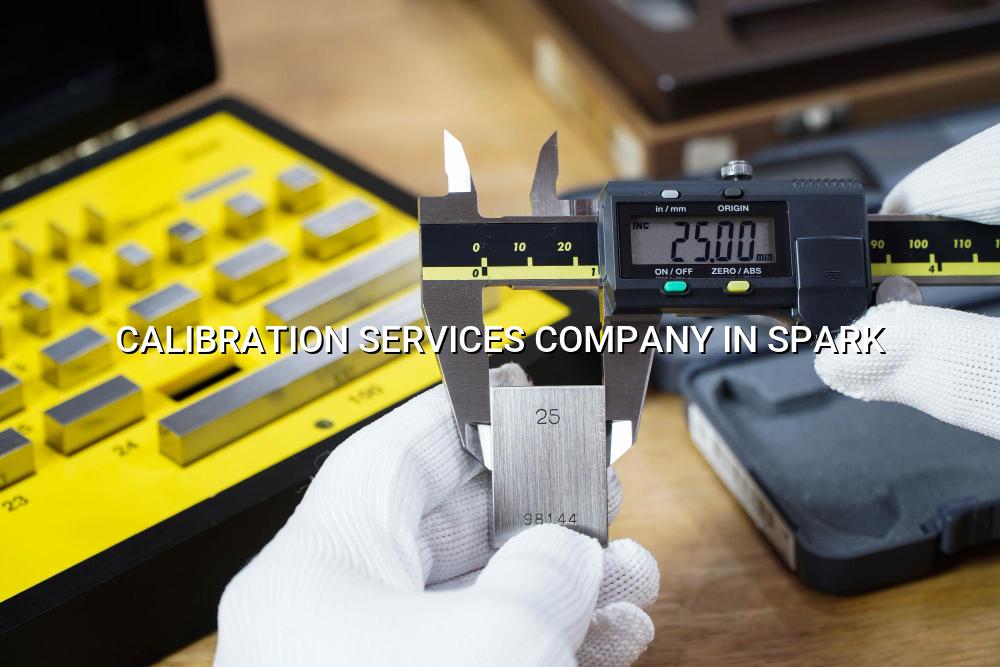
Calibration services company in Spark searches usually come from a real problem: a gauge is drifting, a test certificate is due, or an audit is coming fast. We help you get instruments checked, documented and back in control without turning the process into a headache.
Our team works with plants across India, Saudi Arabia and the Middle East, including industrial sites that want onsite calibration, pick-up and delivery, or a temperature-controlled lab for sensitive instruments. That mix matters in Spark-area operations where downtime, traceability and clean records all sit on the same desk.
Why a Calibration Services Company in Spark matters for operations
Most maintenance and QA teams in and around Spark want the same three things: traceable results, instruments returned in usable condition, and a supplier who understands plant reality. For that reason, a calibration services company in Spark should do more than issue a certificate. It should tell you what was tested, what failed, what was adjusted and what needs attention before the next production run.
Onsite work when the instrument can’t leave the site
Some instruments are easy to send to a lab. Others are installed, tied into a line or simply too awkward to move without stopping work. Our mobile calibration lab is built for that kind of job, so your team can keep the process moving while we handle the verification on site. That approach suits oil and gas facilities, manufacturing plants, utilities and cold-chain sites where every hour counts.
In-house calibration for special handling and traceability
When an instrument needs controlled conditions, our temperature-controlled in-house laboratory is the better path. We handle electro-technical, pressure, mechanical, thermal, biomedical, mass, volume, torque, force, noise and speed disciplines under ISO/IEC 17025:2017. In practice, that means your paperwork and measurement history stay aligned with what auditors in India, Saudi Arabia and GCC environments expect to see.
- Start with the instrument list — share the tag numbers, range, location and any urgent production constraints.
- Choose the right route — onsite calibration, lab calibration, or pick-up and delivery for instruments that need special care.
- Check against traceability needs — we match the work to ISO/IEC 17025:2017 requirements and the discipline involved.
- Review the outcome — you receive the practical result, including pass/fail status, adjustment notes and anything that should go into maintenance planning.
- Keep a clear asset list with tag number, range and last calibration date.
- Flag critical instruments early if they affect batch quality, safety or shutdown decisions.
- Use onsite calibration for installed assets that are difficult to remove without disruption.
- Send sensitive or specially handled instruments to the lab when controlled conditions are needed.
- Ask for calibration records that fit your audit trail, not just a printout.
How Spark teams usually choose the calibration route
| Scenario | Best route | Why it fits |
|---|---|---|
| Installed transmitter or gauge on a live line | Onsite calibration | Reduces removal time and keeps the process available |
| Sensitive instrument needing controlled handling | In-house lab calibration | Temperature-controlled lab conditions improve handling discipline |
| Batching or utility equipment with multiple points | Planned site visit | Lets the team verify the set of instruments in one mobilization |
| Instrument with packing or transport concerns | Pick-up and delivery | Useful when special conditions are needed during movement |
What good calibration looks like in practice
Good calibration is not just a stamp. You want a disciplined test method, traceable measurement practice and a result you can use in the field. We work within ISO/IEC 17025:2017 for calibration competence and ISO 9001:2015 for quality management, while electrical work can also align with EURAMET CG-15 where the discipline calls for it. For lifting and inspection-related work, BS EN standards come into play.
Why the paperwork matters as much as the measurement
In a plant audit, the certificate is often the first document people ask for, but the maintenance manager usually wants the history behind it. If a pressure gauge has drifted twice in a year, or a temperature instrument is showing unstable behavior, that trend needs to be visible. This is where a capable calibration services company in Spark helps you make a better decision about replacement, repair or re-test.
Built for mixed industrial sites
We regularly support oil and gas, petrochemical, power, construction, healthcare, pharmaceutical, food and beverage, cold chain and manufacturing operations. Some sites need one pressure gauge checked; others need a planned shutdown window with calibration, mechanical support, inspection and commissioning work all in the same visit.
Related services that often sit beside calibration
Condition monitoring
Vibration analysis, laser shaft alignment, ultrasound monitoring and infrared thermography help you catch faults before they snowball into failures.
Mechanical services
Cold cutting, flange weld testing, hydrotesting, bolt torquing and tensioning support shutdown and turnaround jobs where measurement control still matters.
Lab design and setup
If you're building a calibration or chemical lab, we can help with layout, installation and commissioning so the space works from day one.
What Spark procurement and maintenance teams should ask before booking
Before you appoint any supplier, ask who will do the work, whether the service can be done onsite, and what happens if the instrument needs special handling. Teams in Chennai, Dammam and other industrial centres usually care about the same thing: they want the job done cleanly and documented well enough to survive an internal review.
We also see a lot of value in planning the calibration around shutdowns, preventive maintenance and inspection visits. That saves people from running separate mobilizations for related jobs, especially in petrochemical, power and cold-chain environments where access windows are tight.
Typical decision points
Ask whether the supplier can support your full instrument mix. A site may have temperature baths, pressure comparators, torque tools, biomedical devices, noise meters, or production-critical gauges all on the same list. A capable partner should be able to sort that list without sending you to five different vendors.
- Confirm the exact instrument range and tolerance before scheduling.
- Match the visit to your shutdown, turnaround or preventive maintenance plan.
- Ask for onsite or lab options based on handling and process constraints.
- Keep calibration, repair and inspection requests in one service conversation where possible.
How Mayon Industrial Services Can Help
If you need a calibration services company in Spark, we can step in with onsite calibration, in-house lab work, mobile-lab support and pick-up or delivery for instruments that need special conditions. Our wider team also handles mechanical services, inspection, electrical testing, orbital welding, training and lab setup, so the plan stays simple when your scope is bigger than one instrument list.
Call +91 99447 80844 (India) or +966 59 633 8012 (Saudi Arabia), email services@mayonservices.com, or message us on WhatsApp.
Frequently Asked Questions
Honestly, the best fit is the supplier who can handle your actual instrument mix and your site conditions. If you need both onsite and lab options, plus traceable documentation, choose a team that already works in industrial settings and understands shutdown pressure. That saves time when the job is not a simple bench test.
Yes. Onsite calibration is a good option for installed instruments, process-critical gauges and equipment that would be awkward to remove. Our mobile calibration lab is meant for that kind of work, so your team can keep the site moving while the instrument checks are carried out.
We handle a broad range, including pressure, temperature, mechanical, dimensional, electrical, biomedical, mass, volume, torque, force, noise and speed instruments. In real plant work, that often means gauges, transmitters, meters, test tools and utility equipment from the same maintenance list. If you send the list first, we can help sort the route.
Yes, we do. Our in-house laboratory is temperature controlled, which helps when an instrument needs more careful handling than a field visit can offer. For some items, pick-up and delivery is the cleaner option, especially when transport conditions matter.
For calibration competence, ask about ISO/IEC 17025:2017. If quality management is part of your supplier review, ISO 9001:2015 is relevant too. For electrical calibration and lifting-related inspection work, EURAMET CG-15 and BS EN standards may be part of the discussion, depending on the discipline.
That is often the smarter route. A single visit can cover calibration, repair checks, mechanical support or inspection planning, which is useful when your team is juggling shutdown work and maintenance backlog. It also keeps communication simpler for procurement and QA.
Ready to keep your instruments audit-ready?
If you're comparing a calibration services company in Spark, talk to us about the site, the instrument list and the service route that fits your operation.
Contact Mayon