
Calibration Training in Buqayq
Practical training for technicians and engineers who need better calibration habits, cleaner records, and stronger lab control in the Buqayq industrial belt.
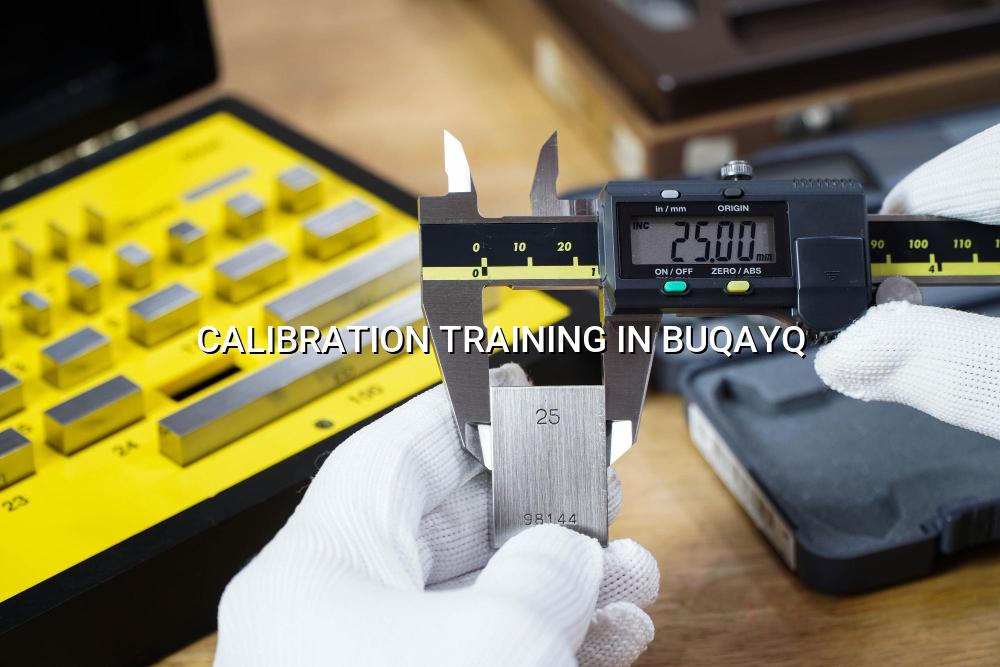
Calibration training in Buqayq is for teams that need better control of instruments, records, and routine checks on the shop floor or inside a lab. If you're trying to reduce repeat errors, clean up traceability, or build confidence in your technicians, this page gives you a practical starting point.
We work with engineers, QA teams, and maintenance groups across Saudi Arabia, and Buqayq makes sense as a training focus because of the industrial activity tied to oil, petrochemical, and utility work in the Eastern Province. Our training style stays close to real plant conditions, with ISO/IEC 17025 thinking, simple procedure control, and enough detail for people who actually calibrate tools, not just read slides.
What calibration training in Buqayq should cover
Good calibration training is not just a presentation about units and certificates. It should show your team how to check instruments before use, read tolerances properly, protect reference standards, and write records that stand up during audits. In our experience, the gaps usually appear in the simple things: missed environmental checks, unclear acceptance criteria, and uncertainty about when an item should be tagged out for repair or re-calibration.
Why local plant teams ask for hands-on sessions
Most teams in Saudi industrial sites want training that mirrors the instruments they see every day. That may mean pressure gauges, temperature indicators, torque tools, weighing devices, or electrical test equipment used in maintenance and commissioning. When the examples match real work, people retain the process faster and use the procedure correctly the next time a meter, gauge, or transmitter lands on their bench.
How we teach the measurement chain
We keep the focus on traceability, measurement error, and routine checks that support ISO/IEC 17025:2017 habits. The idea is to help your staff understand why a reading is acceptable, what the tolerance means, and how a small handling mistake can change the result. That matters in Buqayq, where uptime, safety, and maintenance planning all depend on reliable instruments.
- Start with the instrument class — we group devices by pressure, temperature, mass, electrical, or dimensional use so the team learns the right method first.
- Check the reference and environment — technicians learn how standards, ambient conditions, and cleanliness affect the result before any test begins.
- Run the procedure — step-by-step practice covers setup, reading, recording, and acceptance against the right tolerance.
- Close the job properly — the session ends with labeling, report review, and simple actions that keep the calibration status clear for production staff.
- Use real instruments from your site or similar plant equipment during the training.
- Teach staff how to read certificates, tolerances, and uncertainty without guesswork.
- Include traceability checks so the team knows what supports a valid result.
- Show how storage, handling, and transport affect calibration status.
- Keep the records simple enough for technicians, supervisors, and auditors to follow.
Typical modules for a calibration training session
| Module | What the team learns | Typical use on site |
|---|---|---|
| Traceability basics | How standards link back to a recognized reference chain | Lab work, audit readiness, certificate review |
| Procedure control | Using the correct sequence, limits, and records every time | Pressure, temperature, torque, and electrical checks |
| Instrument handling | Storage, transport, cleaning, and pre-use inspection | Field kits, mobile jobs, and sensitive indicators |
| Acceptance decisions | Reading tolerance bands and deciding pass or fail properly | Maintenance release, QA review, and calibration tags |
What good training changes in the workshop
After a proper session, technicians usually become calmer and more consistent. They stop treating calibration as a black box and start checking the things that actually affect the result. That means fewer returns to the bench, cleaner handover to operations, and better confidence when a supervisor asks why a reading was accepted or rejected.
Why managers see the difference quickly
Managers notice the change because the paperwork gets clearer and the process gets repeatable. If a team in Buqayq handles pressure gauges, electrical meters, or dimensional tools, training helps everyone speak the same language about uncertainty, status labels, and due dates. That saves time when the plant is busy and someone needs a decision without waiting around.
Built for plant reality
We keep the session practical. If your staff work in oil and gas, petrochemical, power, manufacturing, or cold-chain support, we use examples that fit those conditions, including temperature-controlled storage, mobile calibration jobs, and the way instruments move between workshop and field.
How Mayon Industrial Services Can Help
We run calibration training alongside our ISO/IEC 17025:2017 calibration work, so your team gets advice that comes from live jobs, not theory alone. If you need support with calibration procedures, lab setup, inspection routines, or maintenance practices, our team can shape the session around the instruments and standards you use most. Tell us what your Buqayq site needs, and we'll help you plan the right session.
Call +91 99447 80844 (India) or +966 59 633 8012 (Saudi Arabia), email services@mayonservices.com, or message us on WhatsApp.
Frequently Asked Questions
It usually covers traceability, procedure control, instrument handling, and how to decide pass or fail against the correct tolerance. For plant teams, we also include examples based on the instruments they use every day, so the training feels close to the job instead of abstract.
Yes. We can shape the session for technicians, supervisors, or QA personnel, and we can focus on the equipment you actually use, such as pressure gauges, electrical test gear, or temperature instruments. That usually makes the discussion easier to apply back at site.
Yes, because the training is built around the habits that support traceability, controlled procedures, and clean records. It won't turn a lab into a new accredited facility by itself, but it can help your team work in a way that fits ISO/IEC 17025 thinking.
We do support clients in Saudi Arabia, including industrial areas where teams need training on live equipment and plant procedures. If you need onsite delivery, we can discuss the scope and organize it around the instruments, people, and site conditions involved.
Oil and gas, petrochemical, power, manufacturing, healthcare, and cold-chain operations usually get the most value because they depend on accurate instruments and clear records. We also see strong demand from maintenance teams that handle mixed equipment across workshop and field jobs.
Ready to improve calibration practice in Buqayq?
If your team needs sharper procedures, better traceability, and training that fits real industrial work, contact Mayon Industrial Services and we'll plan the next step with you.
Contact Mayon