
Cold Cutting Service Company in Dammam Industrial City 2
Controlled cutting for plant shutdowns, pipe modifications and repair work without heat-affected distortion.
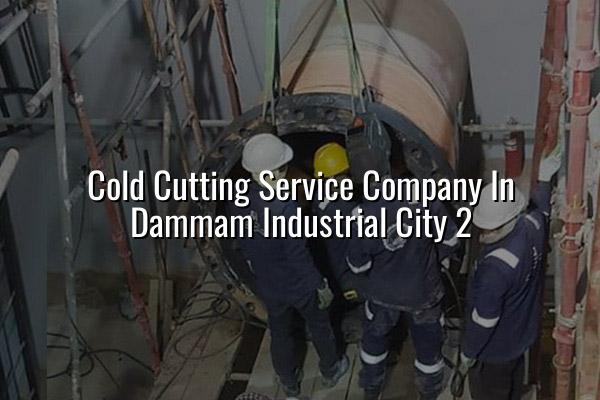
Cold cutting service company in Dammam Industrial City 2 is exactly what you need when flame cutting isn't allowed near live plant, coated pipe, or sensitive equipment. You get clean cuts, less heat damage, and a safer way to open lines during shutdown or repair work.
We handle this work for oil & gas, petrochemical, power and manufacturing sites in Saudi Arabia, with the same practical approach we use on Indian projects. Our team plans the cut around isolation, access and the next job on site, so you don't end up with a perfect cut and a bigger problem after it.
Cold cutting service company in Dammam Industrial City 2 for plant work
On active industrial sites, the cut itself is rarely the hard part. The real work is deciding how to cut a pipe, vessel section, bracket or steel member without heat, sparks or avoidable distortion. That's why cold cutting is used so often for maintenance teams that need a controlled start point for repair welding, flange work, equipment replacement or decommissioning. In our experience, the cleaner the cut, the easier the next step becomes for fit-up and inspection.
Where cold cutting helps most
We use controlled cutting methods on pipe and structural sections where hot work needs extra caution or isn't practical. That includes shutdown tie-ins, replacements inside congested pipe racks, work close to coatings or insulation, and areas where the downstream job needs a square, repeatable edge. It suits sites in Dammam Industrial City 2, Jubail routes, and other GCC industrial zones where plant managers want less fire watch burden and more predictable results.
Why the method matters
A proper cold cut keeps the work focused on geometry instead of heat. That means less risk of warping, less clean-up on the next trade, and fewer arguments during reassembly. For many mechanical teams, it also means the pipe or member can be removed with more control, especially when there are live services, coating systems, or nearby instruments to protect.
- Survey the site — we look at access, material type, nearby services and the exact cut line before any machine starts.
- Isolate and prepare — the work area is made ready so the cut can happen without surprises from pressure, residue or restricted clearance.
- Select the method — we choose the right cold cutting setup for pipe, plate or structural steel based on thickness and position.
- Cut and finish — the edge is cut cleanly, checked for straightness and prepared for the next repair, removal or welding step.
- Reduces heat input near sensitive equipment and coatings
- Helps avoid distortion before flange, weld or splice work
- Works well during shutdowns, tie-ins and equipment removal
- Supports cleaner fit-up for downstream mechanical and welding tasks
Typical cold cutting choices for industrial maintenance work
| Work scenario | Main benefit | Typical site concern |
|---|---|---|
| Pipe modification during shutdown | Controlled removal without flame | Access, isolation and fit-up accuracy |
| Structural steel section removal | Less thermal distortion | Nearby equipment protection |
| Coated or insulated line work | Lower heat impact on surrounding materials | Preserving adjacent systems |
| Repair preparation before welding | Cleaner edge for the next trade | Edge quality and alignment |
Why plants in Dammam choose cold cutting over hot work
Many plant owners don't ask for cold cutting by name. They ask for less risk, less interruption and a method that won't make the job harder for inspection or reinstatement. That's the point. In a busy industrial city like Dammam, where shutdown windows can be tight and work packs change quickly, a non-flame cutting method helps maintenance teams keep control of the job and reduce avoidable rework.
What you gain on the job
The practical gains are straightforward: better edge control, less distortion and a cleaner start for repair welding or replacement. It also helps when the area is close to instrumentation, insulation, seals or coated surfaces that don't like heat. When the line or frame has to go back into service with fewer headaches, this is often the sensible route.
What our crews focus on
We pay attention to the things site teams care about most: the cut line, access, protection of adjacent equipment, and the next operation after removal. That might be hydrotesting, flange facing, welding, or a full commissioning sequence. We keep the handoff practical, not fancy.
Cold cutting method, preparation and handover
Cold cutting is often chosen for jobs that sit between maintenance and fabrication. One week it may be pipe removal inside a process area; the next it's a structural piece that needs to come out cleanly before a new member goes in. The method changes with material, thickness and access, but the aim stays the same: cut accurately without turning the job into a heat problem.
How we set up the work
We start with the location, not the machine. That means checking space around the cut, looking at surrounding services and understanding what the client needs after removal. If the next step is welding, inspection or commissioning, we keep that in mind while planning the cut. It saves time later, especially on projects where a bad edge can hold up three other trades.
When another service is needed
Sometimes cutting is only one part of the job. After a removal, the site may need mechanical services like flange work, bolt torquing, hydrotesting or testing and commissioning. Because we also handle those services, the cut can be planned as part of the full repair sequence instead of as a separate callout.
- Confirm pipe content, access and isolation before cutting starts
- Protect nearby seals, coatings and instruments from unnecessary damage
- Match the cut method to the material and the required edge quality
- Plan for the next task, such as weld prep or component replacement
What maintenance teams should check before booking
Before you book a cold cutting job, make sure the scope is written clearly. A simple note about diameter, wall thickness, material and access can save a lot of back-and-forth. If the work is on a shutdown path in Saudi Arabia or at a mixed-site facility in the Middle East, your contractor also needs to understand the timing around other trades.
We also see better outcomes when the client tells us what happens next. Are you handing over for welding, replacing the line, or removing a section for inspection? That answer affects the edge finish, the rigging approach and the tools we bring. It sounds small, but it changes the whole job.
How Mayon Industrial Services Can Help
If you need a cold cutting service company in Dammam Industrial City 2, we can support the job from planning through to handover. Our mechanical team handles controlled cutting, flange work, hydrotesting, bolt torquing, commissioning support and related repair work, so the job stays with one practical crew instead of bouncing between vendors. We also work alongside calibration and inspection teams when the project needs traceability or third-party checks. Send us the scope and let's map the safest way to do it.
Call +91 99447 80844 (India) or +966 59 633 8012 (Saudi Arabia), email services@mayonservices.com, or message us on WhatsApp.
Frequently Asked Questions
It's a contractor that removes pipe, plate or structural sections without using flame-based cutting. That matters on industrial sites where heat, sparks or distortion can create extra risk. We use it for shutdown work, repairs and preparation before welding or replacement.
Choose it when heat could damage coatings, nearby instruments, seals or insulation, or when the job needs tighter control over distortion. It's also a sensible option during maintenance shutdowns where the next trade needs a clean edge to work from. On many plant jobs, that's the cleaner route.
Yes, it can be used on pipe modification, tie-ins and section removal where the scope and site conditions suit the method. The key is proper planning around isolation, access and the finish needed for the next step. We handle that kind of work in Saudi Arabia and across the wider Middle East.
We need the material, size, thickness, location, access constraints and what happens after the cut. If you have drawings or photos, send those too. The clearer the scope, the easier it is to plan the right method and crew.
Yes, we do. Cold cutting is often part of a larger mechanical package that can include flange work, bolt torquing, hydrotesting, testing and commissioning, or support before welding. That helps keep the job coordinated instead of split between multiple vendors.
Ready to plan the cut properly?
If you need controlled pipe or structural cutting in Dammam Industrial City 2, send the scope and we'll help you set up the right mechanical approach.
Contact MayonFor industrial shutdowns, repair jobs and pipe modifications, the right cutting method saves time later. Mayon Industrial Services brings practical mechanical experience, disciplined site planning and a straight answer on what will work best for your plant.