
Condition Monitoring Company in Rabigh
Get fault diagnostics, alignment checks and thermography support for plants in Rabigh and nearby industrial sites.
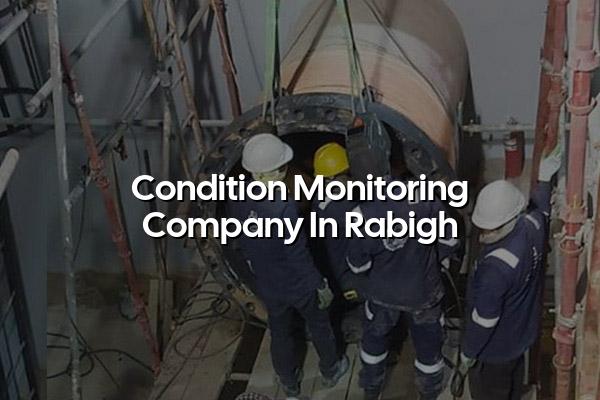
Condition monitoring company in Rabigh support is what you need when a pump starts sounding different, a gearbox runs hotter, or a motor keeps tripping without a clear reason. We help you catch those changes early so your maintenance team can act before a small fault turns into an unplanned shutdown.
Our team works with plants that care about uptime, traceability and clean records. In Rabigh, that usually means oil and gas, petrochemical, power and heavy industrial sites where vibration trends, alignment condition and thermal signatures tell the real story long before a machine fails.
What a Condition Monitoring Company in Rabigh Actually Does
A good condition monitoring program is not just a report with colours on it. It starts with the right measurement points, stable baselines and repeat visits so you can compare like with like. We use vibration analysis, laser shaft alignment, ultrasound monitoring and infrared thermography to help maintenance teams spot looseness, imbalance, misalignment, bearing wear, electrical hot spots and other issues that usually show up in pattern first, failure later.
Why teams in Rabigh call for condition checks early
Most calls we get are from sites that already noticed something small: a repeated seal leak, a fan that vibrates only at certain speeds, or a motor that runs warm near the drive end. In a Rabigh industrial setting, these are the jobs that pay back quickly because the plant has valuable rotating equipment and tight shutdown windows. We can support planned inspections, problem-solving visits and predictive maintenance routes for ongoing assets.
Onsite, mobile and lab-backed work
We don’t treat every job the same. Some equipment can be checked right on the skid, while other work needs a better setup, cleaner surroundings or follow-up measurement in our temperature-controlled lab. For clients with instruments or components that need special handling, we can arrange pick-up and delivery. That mix matters when you're working across sites in Saudi Arabia and the wider Middle East and need the data to be usable, not just collected.
- Start with the complaint — we note the symptom, machine duty, recent repairs and operating speed before any measurement begins.
- Take baseline readings — vibration, alignment, ultrasound or thermal scans are captured at the defined points so future checks have a reference.
- Read the pattern — the data is reviewed for trend changes, fault signatures and anything that points to mechanical or electrical stress.
- Agree the next action — you receive a practical recommendation, such as monitoring, alignment, balancing, repair or a deeper inspection.
- Use repeat measurements at the same points, speed and load for clean trend comparison.
- Check motors, pumps, fans and gearboxes first; those usually give the clearest early warning signs.
- Pair vibration findings with alignment checks when couplings keep failing or bearings run hot.
- Use infrared thermography on switchgear, terminals and panels where heat build-up can hide.
- Keep the service history with the readings so supervisors can see what changed after each repair.
Typical Condition Monitoring Methods for Industrial Equipment
| Asset | Primary Check | What We Look For |
|---|---|---|
| Rotating pumps | Vibration analysis | Imbalance, cavitation, looseness and bearing defects |
| Motors and driven sets | Laser shaft alignment | Offset, angular misalignment and coupling stress |
| Electrical panels | Infrared thermography | Overheating terminals, breakers and loose connections |
| Compressed air systems | Ultrasound monitoring | Leakage, bearing noise and early friction changes |
Why Prediction Beats Reaction in Heavy Industry
When a plant waits for failure, the repair is usually messier. Parts are damaged, production stops at the wrong time and maintenance ends up chasing the fault instead of planning it. A trend-based condition monitoring program gives your team a chance to line up spares, manpower and shutdown access before the machine forces the issue.
Where this helps most
In our experience, the highest-value sites are the ones running continuous processes: refineries, petrochemical units, utilities, cold-chain warehouses, process plants and large manufacturing lines. Those environments depend on stable rotating assets and electrical equipment, and small changes in condition can ripple into process quality, safety or energy waste very quickly.
Practical reporting, not generic commentary
We keep the report language plain. You get the fault signature, the likely cause, the severity and the next action, so your maintenance manager and operations supervisor can make a decision without hunting through filler text.
How We Build a Reliable Monitoring Route
Each route depends on the machine list, access conditions and what the site wants to prove. For some customers, the goal is simple fault finding. For others, it is a standing predictive maintenance program with defined intervals and a clear review trail. We can also align the condition checks with other work such as mechanical services, electrical testing and commissioning, or inspection services when the asset needs more than one discipline.
Simple records help more than fancy words
We usually recommend keeping the location, date, operating condition and any previous repair note beside each reading. That habit sounds basic, but it saves time later. A fan measured after a bearing change is not the same as the same fan measured during a hot production run, and the difference matters when you’re trying to prove a trend.
- Route design can be built around site shutdowns, live plant access or weekly inspections.
- Findings can support repair planning, alignment work, balancing or electrical follow-up.
- Measurement methods are chosen to suit the asset, not the other way around.
- Teams in Saudi Arabia and India can use the same practical reporting style.
How Mayon Industrial Services Can Help
We support Rabigh-area plants with vibration analysis, laser shaft alignment, infrared thermography and ultrasound monitoring, then tie the findings back to the work your maintenance crew actually has to do. If the job needs more than monitoring, our team can also help with mechanical services, electrical testing and commissioning, inspection, repair and lab-backed calibration work.
Call +91 99447 80844 (India) or +966 59 633 8012 (Saudi Arabia), email services@mayonservices.com, or message us on WhatsApp.
Frequently Asked Questions
It depends on what you need measured and how the site runs, but most plants want a team that can handle vibration, alignment and thermal checks in one visit. That's the practical route for pumps, motors, fans and gearboxes because faults rarely stay in one category. We work that way, so you get one view of the asset instead of separate opinions.
We look at the machine condition from a maintenance point of view: readings at agreed points, speed and load, plus a review of the fault pattern. The goal is to separate normal running from a signal that needs action. If the trend points to misalignment, bearing wear or looseness, we say that plainly.
Yes, onsite work is the usual starting point for live plants. That lets us check equipment where it runs and see the real operating state, not a stripped-down version of it. For some items, we can also arrange mobile-lab support or follow-up work in a controlled setting if the job needs it.
We do, because hot connections and overloaded points are easier to catch before they fail. Thermography is useful for panels, breakers, terminals and other equipment where heat build-up doesn't show from the outside. It works best as part of a routine rather than a one-off visit.
The right interval depends on how critical the asset is and how fast it changes. High-duty rotating equipment may need shorter review cycles than standby units. We normally agree the route with the client so the frequency fits the plant's risk and shutdown plan.
Ready to check the health of your equipment?
Send us the machine details and we’ll help you decide the right monitoring method for Rabigh or any other industrial site in Saudi Arabia and the Middle East.
Contact Mayon