
Condition Monitoring Company in Riyadh
Practical predictive maintenance support for Riyadh plants that need better uptime, cleaner diagnostics, and clear action from every inspection.
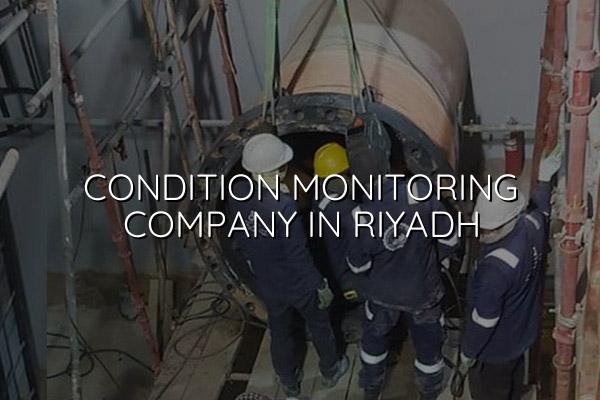
Condition monitoring company in Riyadh is the phrase people use when they need a team that can spot machine problems before they turn into a stoppage. That is exactly what our work is built for: vibration analysis, laser alignment, ultrasound checks and infrared thermography that give maintenance teams something useful to act on.
From process plants in Riyadh to oil, gas, power and manufacturing sites across Saudi Arabia, we keep the work practical. You get evidence, not guesswork, and you get recommendations that fit the equipment you already run, the shutdown windows you already have, and the reporting style your supervisors expect.
What a Condition Monitoring Company in Riyadh Should Actually Do
A good condition monitoring company in Riyadh should help you catch early signs of bearing wear, imbalance, looseness, misalignment and thermal stress before they become expensive outages. In our experience, the value is not just in finding faults; it is in making the findings clear enough for the maintenance crew, the planner and the plant manager to all read the same way.
Why the first signs matter
Most rotating assets tell on themselves long before they fail. A pump with a rising vibration trend, a motor with a hot terminal, or a gearbox that sounds slightly different during a routine round can give you a head start. That early window is where you save time, avoid secondary damage and protect the schedule.
What makes the report useful
We keep reports focused on fault condition, severity and next action. That means trend plots where needed, photos where they help, and a straight recommendation on whether the asset needs monitoring, realignment, balancing or a planned shutdown. It’s the kind of output that can sit beside your CMMS or weekly maintenance review without extra translation.
- Start with a baseline — we record the normal running condition of the asset, so later readings have something real to compare against.
- Check the likely failure points — bearings, couplings, shafts, electrical hot spots and process-related heat are reviewed based on the machine type.
- Compare trend data — vibration, temperature or ultrasound changes are assessed against earlier readings and the operating context.
- Turn findings into action — we flag what needs immediate attention, what should be watched and what can wait for the next maintenance window.
- Use vibration analysis for rotating equipment such as pumps, fans, blowers and motors.
- Use infrared thermography on panels, switchgear, bearings and other heat-sensitive points.
- Use laser shaft alignment after motor or coupling replacement, not weeks later.
- Review the same asset at regular intervals so trends stay meaningful.
- Tie the findings to shutdown planning, not just a file in an inbox.
Comparison Table for Plant Teams in Riyadh
| Method | What It Finds | Best Fit |
|---|---|---|
| Vibration analysis | Imbalance, misalignment, looseness, bearing distress and resonance clues | Rotating machines, motors, pumps, fans, gearboxes |
| Laser shaft alignment | Offset and angular misalignment between coupled machines | Motor-pump sets, compressors and driven equipment after installation or repair |
| Infrared thermography | Hot connections, overloaded components, frictional heat and uneven loading | Electrical panels, bearings, substations and process equipment |
| Ultrasound monitoring | Air leaks, bearing noise, electrical discharge symptoms and valve issues | Compressed air systems, rotating assets and selected electrical checks |
Why Saudi Sites Ask for Predictive Maintenance Support
In Riyadh and the wider Saudi market, plants usually want three things from a monitoring visit: less unplanned downtime, better use of shutdown periods, and evidence that stands up in a review meeting. That is why condition monitoring is useful in oil and gas, petrochemical, power, food, cold chain and general manufacturing sites. It gives your team a way to prioritise work instead of reacting to every noise, heat spot or vibration spike.
Where it helps most
We see strong value on pump trains, air compressors, fans, motors, gear units, switchgear and critical auxiliary systems. A small defect caught early can stop a chain reaction later, especially where one failed part can hold up a whole line. That’s common in plants that run long hours and can’t afford repeated downtime.
Typical signs we track
Rising vibration, abnormal heat, repeat coupling issues, bearing noise, loose terminations and changes that only show up when the machine is loaded. If the asset is drifting away from its normal behaviour, we want to see it early enough for you to schedule the fix properly.
How We Build a Useful Condition Monitoring Plan
We start with the equipment that can hurt uptime the most. On many sites that means the main process pumps, critical motors, compressor trains and electrical panels feeding essential loads. From there, we choose the right mix of vibration, alignment, thermal and ultrasound checks so the visit matches the plant, not the other way around.
Riyadh facilities often run in hot conditions, so temperature data matters more than many teams expect. A bearing or electrical joint that looks acceptable on paper can behave very differently in real service, especially when ambient heat and continuous running are part of the picture.
Our team also keeps the service practical for shutdown planning. If an issue can be watched for another cycle, we say so. If it needs attention before the next planned outage, we say that too. That direct style saves a lot of back-and-forth, and it helps your planners build a maintenance list that makes sense.
For sites that need more than one method, we can combine monitoring with laser alignment, repair and maintenance support, electrical testing and commissioning, or even lab and workshop services where the asset condition is tied to a broader reliability problem.
Questions That Help You Choose the Right Monitoring Visit
If you are comparing providers in Riyadh, ask what equipment they have seen before, what kind of fault diagnosis they give, and how they handle onsite access. You also want to know whether the team can explain findings in a way that fits your maintenance workflow. A pretty report is no help if your foreman cannot use it.
It also helps to know whether the service is limited to one measurement or whether the provider can support the next step. For example, a vibration finding may point to a shaft alignment issue, while a thermal issue may need electrical testing. A provider with broader industrial experience can often link those pieces faster.
- Do they handle onsite work at operating plants?
- Can they work across motors, pumps, panels and auxiliaries?
- Do they give recommendations you can act on?
- Can they support related repair or commissioning tasks?
How Mayon Industrial Services Can Help
Our condition monitoring work in Riyadh is built for plants that need practical fault diagnosis, not generic advice. We support vibration analysis, laser shaft alignment, infrared thermography and ultrasound checks, and we can connect that with mechanical services, electrical testing, calibration and repair support when your site needs more than one discipline.
That matters in Saudi Arabia, where maintenance teams often need fast clarity across rotating equipment, panels and critical utility systems. If you want a visit that leads to clear action and less repeat failure, get in touch and we’ll help plan the right scope.
Call +91 99447 80844 (India) or +966 59 633 8012 (Saudi Arabia), email services@mayonservices.com, or message us on WhatsApp.
Frequently Asked Questions
We look for early signs of trouble in machines and electrical assets before they stop the line. That usually means vibration analysis, alignment checks, thermography or ultrasound, followed by a report that tells you what changed and what to do next.
Start with critical rotating equipment like pumps, motors, fans, compressors and gearboxes. After that, add switchgear, panels and other assets where heat or electrical stress can create an outage. If one unit can take down production, it belongs on the list.
Sometimes it is, but not always. A vibration reading may point to misalignment or looseness, while thermography might reveal a heat issue in a panel and ultrasound may show a leak or bearing noise. Combining methods gives a cleaner picture.
Yes. We serve Saudi Arabia and the wider Middle East, and our teams also support clients from India. If you have an operating site, a shutdown, or a critical machine that needs attention, ask us about the right setup.
We keep the findings practical. The report points to the fault, explains why it matters and gives a clear next step, such as watch, plan, realign or repair. That makes it easier to turn the inspection into a maintenance action.
No. We also support calibration, mechanical services, electrical testing and commissioning, inspection, orbital welding, lab setup, repair and maintenance, and training. That wider base helps when a monitoring finding needs another trade to finish the job properly.
Need a clearer view of machine health in Riyadh?
Send us the asset details, and we’ll help you choose the right monitoring scope for your site, your shutdown window and your maintenance priorities.
Contact Mayon