
Condition Monitoring Company in Safwa
Practical predictive maintenance support for plants in Safwa and the wider Eastern Province.
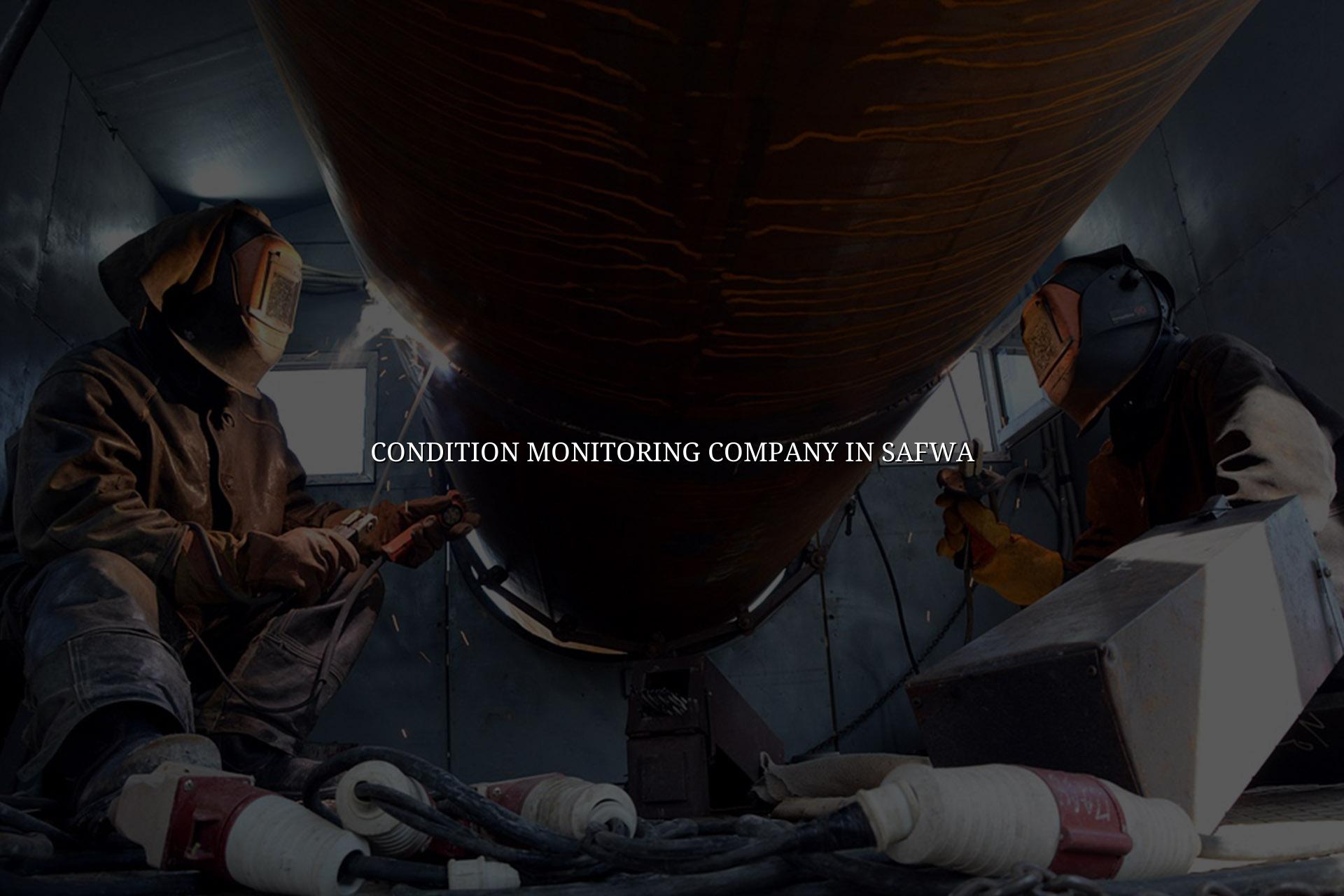
Condition monitoring company in Safwa support helps you catch mechanical trouble before it turns into a shutdown. If your motors, pumps, compressors or rotating assets are showing heat, vibration, noise or alignment drift, we help you see what’s changing and what needs attention first.
Our team works with plants in Safwa and the Eastern Province that want clearer maintenance decisions, not guesswork. We pair field measurements with practical fault diagnostics, then hand your maintenance crew something they can act on during the next stop, shift or planned outage.
Why a condition monitoring company in Safwa matters
In Safwa, many sites run on tight maintenance windows. When a pump bearing starts to wear, a coupling goes out of line or a fan begins to vibrate, the problem rarely stays small for long. We use vibration analysis, laser shaft alignment, infrared thermography and ultrasound checks to spot those patterns early, so you can plan the work instead of reacting after a trip or a breakdown.
What we look for in the field
We pay close attention to the usual failure clues: rising overall vibration, a change in frequency signature, hot electrical points, loose foundations, soft foot, imbalance and lubrication issues. In real plants, those faults often overlap. A misaligned drive can heat a bearing, and a tired bearing can make an otherwise healthy motor look unstable. That’s why diagnosis has to be careful.
How the work is usually done
Most jobs start with a site walkdown and asset list review. After that, we collect baseline readings, compare them with previous trends if you have them, and separate normal operating noise from genuine fault signatures. The report is meant for your maintenance and reliability team, not for the shelf.
- Asset check and tagging — we confirm equipment details, duty, speed, location and any recent repair history.
- Data capture on site — we measure vibration, temperature and alignment conditions with the right tools for each machine.
- Fault review — we interpret the readings against normal operating behaviour and likely failure modes.
- Action plan — we share the likely cause, priority level and the next maintenance step your team can schedule.
- Use trend data, not a single reading, when equipment has a history of load swings.
- Check bearings, couplings and foundations together; one issue can hide another.
- Ask for clear fault language, so operators and planners can understand the report quickly.
- Match inspection intervals to duty cycle, especially on pumps and compressors that run hard.
Common monitoring methods for rotating equipment
| Method | What it helps spot | Typical use case |
|---|---|---|
| Vibration analysis | Imbalance, looseness, misalignment, bearing wear | Motors, pumps, fans, gearboxes and compressors |
| Laser shaft alignment | Offset and angular misalignment | Coupled machines after installation or repair |
| Infrared thermography | Hot spots, electrical stress, friction build-up | Panels, bearings, cables and load points |
| Ultrasound monitoring | Leaks, arcing, early bearing noise, steam loss | Compressed air lines, rotating assets and utilities |
Built for plants that can’t afford surprise stoppages
Our condition monitoring work is a good fit for oil and gas assets, petrochemical units, power facilities, manufacturing lines and cold-chain plants that need dependable equipment every day. In Safwa, that can mean pump skids, HVAC systems, distribution boards, process motors and support equipment that quietly keep the site moving.
Why reports need to be practical
A good report tells you what to inspect next, which machine needs to wait, and which one needs immediate action. We keep the wording direct. If a bearing is beginning to fail, we say so. If the issue looks more like alignment than damage, we say that too. That saves time when your team is planning shutdown work.
What the site team usually gets
Clear readings, fault indicators, and a maintenance priority list that fits your schedule. If the same asset needs follow-up after repair, we can revisit it and compare the new readings with the earlier baseline. That helps you prove the repair worked.
How Mayon Industrial Services Can Help
We support condition monitoring with the same discipline we use across calibration, inspection and mechanical services. That means careful measurements, traceable thinking and a report your team can actually use. If you also need shaft alignment, thermography, electrical testing, or support for maintenance shutdowns, we can coordinate the work instead of making you manage three different vendors.
Call +91 99447 80844 (India) or +966 59 633 8012 (Saudi Arabia), email services@mayonservices.com, or message us on WhatsApp.
Frequently Asked Questions
We check rotating and electrical equipment for signs of wear before they fail. That can include vibration analysis, thermal scanning, shaft alignment, and ultrasonic checks, depending on the asset. The point is to find the fault early enough for planned maintenance, not emergency repair.
Start with equipment that is critical to production or safety: pumps, motors, compressors, fans, gearboxes, generators and major electrical panels. If a machine has repeated breakdowns or runs continuously, it’s usually a strong candidate too. We often see quick gains when teams begin with the worst offenders first.
Yes, and that’s often the sensible way to do it. A machine that’s vibrating may also be out of line, and fixing only one issue can leave the other in place. We like to assess the coupled system together, especially after a repair or installation.
Yes. In Saudi industrial settings, especially around Dammam, Safwa and the wider Eastern Province, equipment often runs under heavy duty and high consequence. Monitoring helps teams protect uptime, plan outages better, and document the health of critical assets in a way maintenance managers can trust.
We do. Post-maintenance readings are useful because they show whether the repair changed the machine condition the way it should have. That gives you a cleaner baseline for the next inspection cycle and helps your team see whether the fix held.
Ready to keep Safwa equipment in better shape?
If you need clearer fault diagnosis, better maintenance planning and a team that speaks practical plant language, we’re ready to help.
Contact Mayon