
Dead Weight Tester Supplier in Khamis Mushait
Pressure calibration equipment for Saudi plants that need traceable results and practical onsite support.
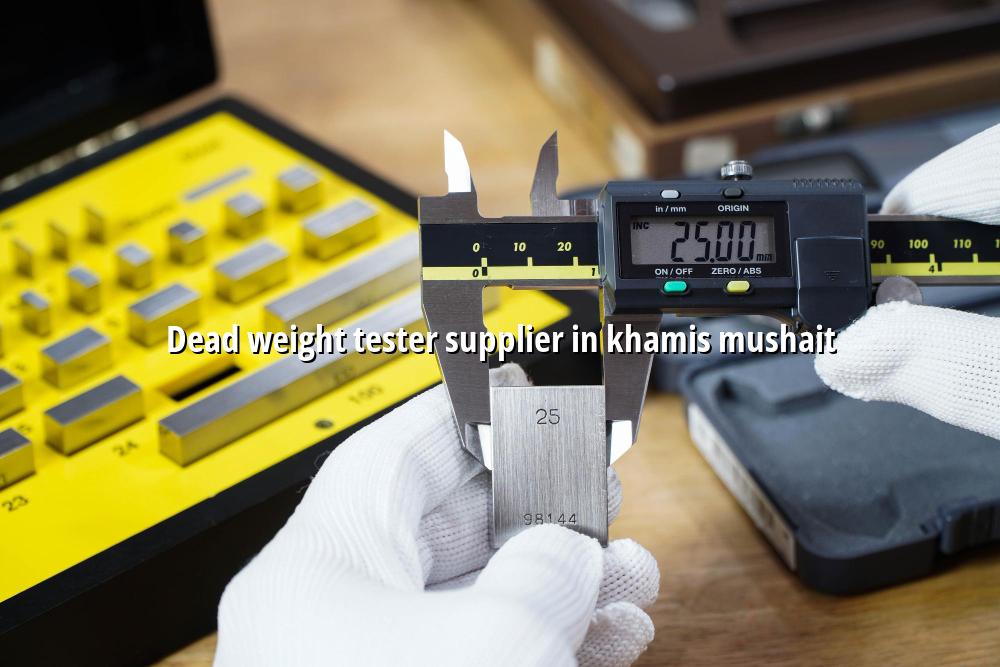
Dead weight tester supplier in Khamis Mushait is the kind of search we hear from maintenance teams that need pressure calibration gear they can actually trust on site. If you're checking gauges, transmitters or pressure switches, the right tester helps you keep measurements traceable and makes audits a lot less stressful.
We work with industrial clients across Saudi Arabia, including plants in the southwest region that need pressure calibration support for oil & gas, utilities, manufacturing and service workshops. Our team understands the practical side too: transport, handling, clean storage, and the need for equipment that fits a lab or mobile-calibration workflow.
Choosing a dead weight tester supplier in Khamis Mushait
When people ask for a dead weight tester supplier in Khamis Mushait, they usually want more than a catalog item. They need a supplier who can match the pressure range to the instruments in use, support traceable calibration practice, and help with the messy details of installation, maintenance and verification. In our experience, that conversation often starts with one question: can the tester support the pressure classes already used in the plant?
What the equipment is used for
A dead weight tester is a pressure reference system used to check and calibrate gauges, transmitters and other pressure devices by applying known force over piston area. It is common in calibration labs, QA rooms and field service teams that want dependable reference points instead of guesswork. For Saudi customers, the main concern is usually consistency across repeated checks, especially where process safety depends on pressure readings staying inside tolerance.
What makes a good supplier
A good supplier doesn't just hand over a box. You should expect help with product selection, compatibility with the instruments you calibrate, and advice on how to keep the unit clean and stable in use. If your team works between Khamis Mushait and other Saudi sites, logistics matter too, because pressure equipment needs proper handling and, in some cases, pickup and delivery support so it reaches you in usable condition.
- Define the pressure range — match the tester to the gauges or transmitters you calibrate most often.
- Check the working medium — confirm whether your setup needs oil, hydraulic fluid or another suitable medium.
- Review the accessories — adapters, fittings and isolation valves can save a lot of time on site.
- Plan the calibration path — decide whether the unit stays in a lab, travels with a mobile team, or moves between both.
- Ask for traceability aligned to ISO/IEC 17025:2017 when the tester is used for calibration work.
- Check whether the instrument set includes the fittings your technicians already use.
- Make sure the supplier can support both lab-based and onsite workflows.
- Confirm the unit is suited to the pressure class of your field equipment, not just the catalog description.
Dead weight tester options and where they fit best
| Option | Typical use | Best fit for |
|---|---|---|
| Portable dead weight tester | Field checks and mobile calibration tasks | Teams that move between plant areas or customer sites |
| Laboratory dead weight tester | Controlled calibration and verification work | Calibration labs that need stable setup conditions |
| Pressure comparator set | Routine comparison of pressure instruments | Maintenance departments with frequent verification needs |
| Accessory kit with adapters | Connection to mixed instrument ports | Plants with varied gauges, transmitters and test points |
Pressure calibration needs more than hardware
A dead weight tester matters because it supports a repeatable calibration method, but the surrounding process matters just as much. Records, traceability, cleaning, correct handling and periodic verification all shape whether the result is useful in a QA review. In Saudi plants, especially around Khamis Mushait and the wider southern region, teams often want evidence that their instruments are being checked in a disciplined way rather than just tested once and forgotten.
Why traceability changes the conversation
For pressure calibration, traceability gives your measurements a clear link back to recognized reference practice. That is the part procurement and QA teams usually care about when they ask suppliers difficult questions. If you're managing a mix of gauges, transmitters and switches, the supplier should be able to explain how the tester fits into a proper calibration cycle, not just how it looks on paper.
What your team gets from the right setup
Less rework, fewer connection problems and a cleaner path to repeatable results. That usually means the tester, fittings and procedure are chosen together, not one by one after the order arrives.
What Khamis Mushait buyers should check before they order
Most buyers don't get stuck on the name of the equipment. They get stuck on the details. Is the tester intended for shop-floor use or a temperature-controlled lab? Do your technicians need a mobile calibration lab to bring the service to the site? Will the tester be used with a pressure comparator workflow or as the main reference for periodic checks? Those questions are worth answering before money changes hands.
We also see another common issue: teams order pressure equipment without thinking about the people who will maintain it. That's a mistake. A dead weight tester needs careful handling, clean connections and a procedure your technicians can follow without improvising. If a supplier can talk plainly about maintenance and verification, that's usually a good sign.
- Confirm the pressure range covers your routine and not just a single special case.
- Ask about fittings for the brands and port sizes already in your plant.
- Make sure the supplier can support equipment supplied to Saudi Arabia from a practical logistics standpoint.
- Keep the calibration record format aligned with your internal QA requirements.
How Mayon Industrial Services Can Help
We support pressure calibration needs with ISO/IEC 17025:2017 compliant calibration services, pressure equipment knowledge and onsite capability through our mobile lab. If you need a dead weight tester supplier in Khamis Mushait, we can help you choose equipment that suits your instruments, your site conditions and your traceability requirements. Our team also works across related services like mechanical support, inspection, testing and lab setup, so you're not left stitching together multiple vendors.
Call +91 99447 80844 (India) or +966 59 633 8012 (Saudi Arabia), email services@mayonservices.com, or message us on WhatsApp.
Frequently Asked Questions
Yes, you can source pressure equipment through suppliers that serve Saudi industrial clients directly, even if the main support team operates from another city. The key is to check whether they understand local site needs, pressure calibration practice and delivery handling. For plants in and around Khamis Mushait, that usually matters more than a sales pitch.
It is used to generate a known pressure reference so instruments like gauges, transmitters and switches can be checked against it. That's why labs and maintenance teams like it for traceable work. If the tester is set up properly, it gives a very repeatable reference for routine verification.
Honestly, yes, if the unit and accessories are suitable for mobile use and the environment is controlled enough for accurate work. Many teams prefer a mobile calibration workflow because it saves moving instruments to a lab. The supplier should help you plan for transport, fittings and handling so the equipment is usable when it reaches site.
Check the pressure range, fitting compatibility, intended medium and whether the equipment matches your calibration workflow. If your team handles different instrument brands, adapters matter a lot. It's also smart to ask how the supplier supports traceability and maintenance after delivery.
Yes — we support industrial clients across Saudi Arabia and the wider Middle East with calibration and related engineering services. That includes pressure-focused work, onsite support and mobile-lab capability where it's a better fit than bringing equipment to a fixed location. If you need help sorting out the right setup, we can talk through it.
Ready to specify the right pressure equipment?
If you need a dead weight tester supplier in Khamis Mushait, start with the instruments you calibrate most and build from there. We'll help you choose a setup that makes sense for your site.
Contact Mayon