
Electrical Calibration Company in Riyadh
Traceable electrical calibration for industrial instruments, with onsite support across Riyadh and the wider Saudi market.
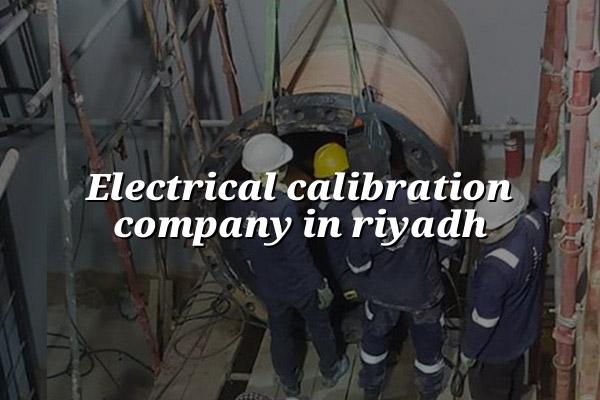
Electrical calibration company in Riyadh support starts with the numbers you trust. If your plant depends on meters, relays, test kits, or verification instruments, you need results that hold up in audits and on the maintenance floor. That's what this page is for.
We work with engineering and QA teams who need traceable calibration, clear reporting, and practical onsite support. In Saudi Arabia, that often means keeping production moving while instruments are checked against the right standard, with no guesswork and no inflated claims.
What an electrical calibration company in Riyadh should actually do
A serious electrical calibration company in Riyadh should handle more than a single meter type. You may need calibration for insulation testers, clamp meters, multimeters, power analyzers, current transformers, protection relay test sets, and electrical process instruments that sit inside larger maintenance programs. At Mayon Industrial Services, we support industrial teams across Saudi Arabia with onsite work, in-house calibration, and mobile lab capability when the job needs controlled handling.
Why Riyadh teams ask for traceability
Most calls we get from Riyadh are not about the certificate alone. They are about keeping production, safety, and audit records clean. ISO/IEC 17025:2017 matters because it gives your calibration records a traceable basis, and that matters in oil & gas, petrochemical, power, construction, healthcare, and manufacturing environments where instruments are checked often.
Onsite or in-lab?
For many instruments, onsite calibration is the simplest route. For others, especially items that need stable conditions or careful handling, the in-house lab is the better choice. We also arrange pick-up and delivery for instruments that need special conditions, which helps when a device is sensitive, bulky, or tied to a busy shutdown schedule.
- Identify the instrument list — group meters, relays, CTs, and test equipment by use and criticality.
- Check the calibration history — look at drift patterns, previous adjustments, and whether failures repeat.
- Choose the right setting — onsite work suits many instruments, while lab work fits sensitive items better.
- Review the report — confirm measured values, pass or fail status, and any correction needed before returning the equipment to service.
- Use a provider that can support LV, MV, HV and EHV electrical environments.
- Ask for traceability that aligns with ISO/IEC 17025:2017 and EURAMET CG-15 where relevant.
- Keep one record format across plants so QA can compare instruments without rework.
- Plan around shutdowns, commissioning windows, and preventive maintenance visits.
- Send critical instruments for review before they drift far from tolerance.
Common calibration needs for Riyadh industrial sites
| Instrument Type | Where It Is Used | Why It Matters |
|---|---|---|
| Multimeters and clamp meters | Maintenance workshops and field inspection | Used for day-to-day electrical checks, so drift can affect fault finding |
| Protection relay test sets | Substations and power systems | Supports safe testing of relay logic and trip performance |
| Current transformers | Switchgear and distribution panels | Important for measurement accuracy and protection coordination |
| Power analyzers | Energy audits and plant monitoring | Helps teams track load, harmonics, and consumption with confidence |
How calibration supports audits, safety, and maintenance
Electrical calibration is not a paper exercise when the plant is live. A protection relay that is out of line can change how a system responds during a fault. A meter that drifts can send technicians in the wrong direction, which wastes time and can create risk. That is why teams in Riyadh and the Eastern Province often build calibration into shutdown planning and equipment handover.
Standards that fit real industrial work
We work within ISO/IEC 17025:2017 for calibration competence, ISO 9001:2015 for quality management, BS EN standards for lifting and inspection related work, and EURAMET CG-15 for electrical calibration reference where applicable. Those names matter because they tell your auditors that the work is controlled and traceable, not ad hoc.
What your team gets back
Clear results, measured values, and practical decisions for release, adjustment, or replacement. We see the best outcomes when maintenance, QA, and procurement work from the same calibration list and keep instrument tags current. That saves arguments later.
Before you send instruments for electrical calibration
A clean calibration job starts before the instrument reaches the bench. If you share the make, model, serial number, range, and the point of use, we can plan the work more sensibly. That helps with batching too. A plant with twenty similar meters does not want twenty different handling paths.
What usually slows a project down
Missing model details, unclear tolerance limits, and mixed-up asset labels are the most common issues. In our experience, that is where a simple job turns into a back-and-forth. If the instrument is part of a critical system, tell us whether it is for inspection, maintenance, commissioning, or routine verification. The use case changes the way people read the result.
- Prepare the asset data — share the tag, serial number, location, and instrument type.
- State the use case — tell us if it supports commissioning, maintenance, or periodic checks.
- Separate critical items — mark anything that must return to service before the next shift or shutdown window.
- Confirm handling needs — note if the item needs controlled transport, pick-up, or in-house review.
- Keep an up-to-date instrument register for each Riyadh site.
- Label items that support safety trips, breaker testing, or relay settings.
- Group like instruments together to reduce handling mistakes.
- Send calibration history if the device has shown drift before.
Onsite, mobile lab, and in-house calibration options
| Option | Best For | Typical Benefit |
|---|---|---|
| Onsite calibration | Large plants, live facilities, and equipment that should not be removed | Reduces movement and keeps maintenance schedules simpler |
| Mobile calibration lab | Field work in Riyadh and nearby industrial areas | Brings controlled capability closer to the site |
| In-house laboratory | Sensitive instruments and items needing stable conditions | Useful for controlled handling and special requirements |
| Pick-up and delivery | Instruments needing special transport conditions | Helps protect equipment that should not travel in normal site traffic |
How Mayon Industrial Services Can Help
If you are looking for an electrical calibration company in Riyadh, we can support the wider instrument and equipment picture too. Our team works across calibration, condition monitoring, electrical testing and commissioning, inspection services, and repair work, so you can deal with one industrial partner instead of splitting the job between several vendors. For plants in Riyadh, Dammam, and the broader Saudi market, that makes planning easier and keeps records in one place.
Call +91 99447 80844 (India) or +966 59 633 8012 (Saudi Arabia), email services@mayonservices.com, or message us on WhatsApp.
Frequently Asked Questions
Yes, you can work with a provider that serves Riyadh directly and supports onsite and in-lab work. For industrial sites, the key is not just location but whether the team can handle your instrument mix, traceability needs, and access requirements. We support Riyadh clients through Saudi operations based in Dammam Industrial City 2.
In practice, multimeters, clamp meters, insulation testers, power analyzers, protection relay test sets, and current transformers are common. Anything used for troubleshooting, safety checks, or commissioning should be watched closely because small drift can change decisions on the shop floor. Critical instruments are usually placed on a tighter internal schedule.
Yes, onsite work is part of how we support industrial clients. It helps when the equipment is fixed in place, tied to a shutdown plan, or too disruptive to remove from service. If an instrument needs special handling, we can also arrange pick-up and delivery or use our in-house laboratory.
For our work, the relevant standards and references are ISO/IEC 17025:2017, ISO 9001:2015, and EURAMET CG-15 for electrical calibration where applicable. If the job includes lifting or inspection related elements, BS EN standards may also apply. We keep the scope tied to the service, not to a long list of unnecessary labels.
Yes, we support clients across Saudi Arabia and the wider Middle East, along with our India operations. That includes industrial areas tied to oil & gas, petrochemical, power, cold chain, food, and manufacturing work. We stay within those regions and don't claim coverage beyond them.
Start with the asset tag, serial number, range, and the site or system the instrument supports. Clean identification saves time and prevents mix-ups. If the item is safety-critical, tell us that upfront so we can plan the handling and report format around it.
Ready to keep your electrical instruments within traceable control?
If you're planning calibration in Riyadh, give us the instrument list and the site context, and we'll help you shape the right approach.
Contact Mayon