
Electronic Instruments Calibration Company in Ras Tanura
Traceable electronic calibration for field instruments, panels and test equipment used in Ras Tanura and nearby industrial sites.
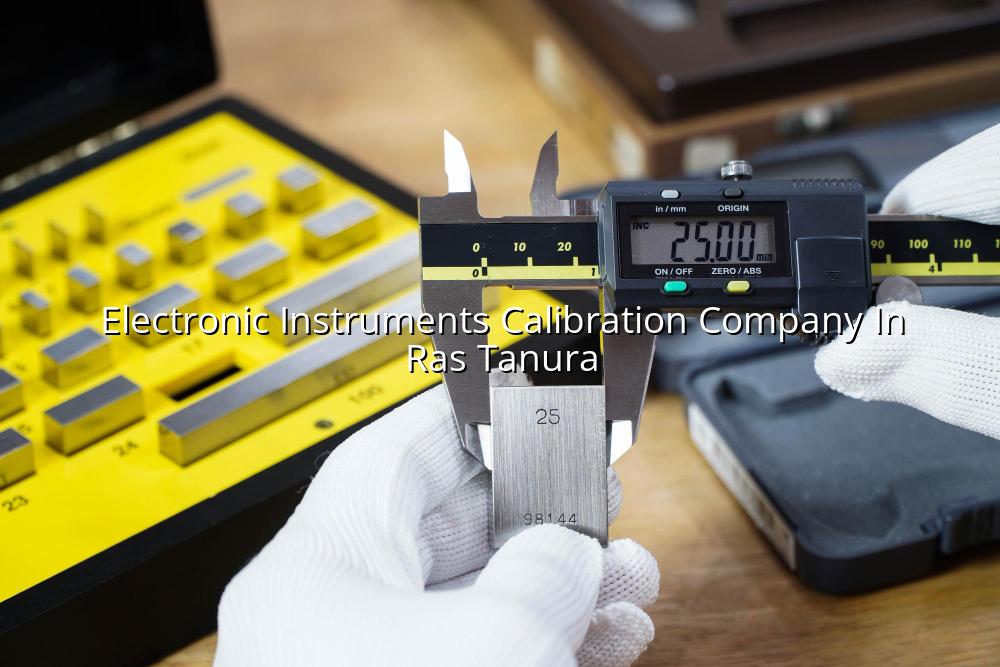
Electronic instruments calibration company in Ras Tanura services keep meters, transmitters, indicators and test devices traceable before they drift into bad decisions. If you're running shutdown work, routine QA checks or maintenance rounds, this page shows how we keep your readings dependable and your records ready for audit.
Ras Tanura sits inside a demanding Saudi industrial setting, so teams there usually need calibration done with care, clear traceability and minimal handling surprises. We support that need with ISO/IEC 17025:2017-based calibration from our temperature-controlled lab and mobile calibration lab, backed by experience across Saudi Arabia, India and the wider Middle East.
What this service covers in Ras Tanura
When people ask for electronic calibration in Ras Tanura, they usually mean equipment that affects control, safety or quality on the plant floor. That includes digital multimeters, clamp meters, loop calibrators, insulation testers, process indicators, panel meters, RTDs and thermocouple readouts, plus biomedical and lab devices where stable electrical output matters. We handle onsite checks for instruments that can't be removed easily, and in-lab work when the device needs tighter environmental control or a more careful setup.
Why the local use case is different
Ras Tanura work often sits close to oil and gas operations, terminals, power systems and maintenance shutdowns, so your team can't treat calibration as a paperwork exercise. A small offset on a field instrument can affect a loop test, a motor start check or a temperature reading on a critical panel. In our experience, the problems show up most often after rough handling, long storage or a return from a shutdown bay where nobody had time to verify the tools properly.
What you get from a proper calibration workflow
You get more than a sticker. You get a measured result, a pass/fail decision where needed, and records that help your QA and maintenance teams answer the same question in the same way every time. If a device is outside tolerance, we can advise on next steps and, where relevant, arrange pick-up and delivery for units that need special handling conditions.
- Identify the device and range — we confirm model, serial number, measurement range and the function you actually use on site.
- Check condition first — physical damage, battery issues, lead wear and connector faults are reviewed before any measurement starts.
- Compare against traceable references — the instrument is checked using reference equipment with documented traceability under ISO/IEC 17025:2017 controls.
- Record results and decide — we note as-found and as-left data where applicable, then issue the outcome your team needs for internal control.
- Best suited for maintenance, QA/QC, shutdown and commissioning teams.
- Onsite service helps reduce transport risk for sensitive electronic devices.
- In-lab calibration works well for items needing stable conditions and closer inspection.
- Traceability supports audits, internal records and customer quality requirements.
Common electronic instruments and how they are handled
| Instrument type | Typical use in Ras Tanura | Preferred service method |
|---|---|---|
| Digital multimeter | Electrical checks, troubleshooting and verification | Onsite or in-lab depending on condition and risk |
| Clamp meter | Load measurement during maintenance and inspections | Onsite for routine verification |
| Loop calibrator | Process control and transmitter setup | In-lab for stable comparison and detailed review |
| Insulation tester | Motor, cable and panel checks before energizing | Onsite with function checks and traceable reference comparison |
Why ISO/IEC 17025 traceability matters here
Industrial buyers in Saudi Arabia ask hard questions, and rightly so. They want to know that a calibration result isn't just a number typed into a report, but a value backed by controlled methods, suitable references and a laboratory system that supports consistency. That's where ISO/IEC 17025:2017 matters most for electronic instruments used in control rooms, workshops and commissioning teams.
When a device needs more than a quick check
Some instruments look fine until you compare them under load or across multiple points. A panel meter may drift at one end of its range, or a handheld tester may fail only after a lead flexes under real use. We see that a lot with equipment that moves between field jobs, stores and temporary shutdown setups, so we prefer a measured approach rather than guessing from a glance.
Built for plant and maintenance teams
Our mobile calibration lab helps when the equipment is tied to production, while our in-house lab is the better fit for devices that need a more controlled environment. If the instrument is delicate, temperature-sensitive or awkward to move, we can arrange pick-up and delivery and keep the handling path simple.
How to prepare your instruments before booking
A little preparation saves time and prevents back-and-forth once the equipment reaches us. Most teams in Ras Tanura already keep asset lists, but the detail that helps most is often missing: the exact function to be calibrated, any known drift, and the conditions under which the device failed or was last used. If you send that with the unit, our team can set the right test path faster.
What to include with each unit
Put the asset tag, serial number, manufacturer name and any internal tolerance note in the pack or handover form. If the device is part of a safety or shutdown-critical loop, say so clearly. That lets us treat the record with the right level of attention and avoids confusion when several similar instruments arrive together from the same site.
What not to overlook
Loose probes, damaged leads and missing adaptors are common reasons a device gets delayed. We also see instruments arrive with no battery charge, which makes basic checks slower than they need to be. Small thing, but it matters.
- Label each instrument with asset ID and serial number.
- Mention the measured function: voltage, current, resistance, temperature or loop output.
- Include any internal acceptance limits used by your QA team.
- Flag field-contaminated or damaged items before shipping or pickup.
More than a calibration ticket
Some clients in Ras Tanura bring us electronic devices as part of a wider maintenance cycle. That may include condition monitoring for rotating equipment, electrical testing and commissioning for panels and switchgear, or even mechanical checks around a shutdown. Having one team coordinate those pieces keeps your schedule cleaner and your handover simpler.
Useful when projects overlap
It's common for a project to need a calibrated tester, a relay check, and an inspection sign-off in the same week. Instead of treating each item as a separate headache, you can line up the work so the instrument comes back ready for the next stage. That is one reason procurement and maintenance teams keep us on their short list.
Typical documents we work with
Asset lists, prior certificates, internal maintenance logs and tolerance notes all help us build the right calibration path. If you already manage quality records under ISO 9001:2015, we can align our output with the structure your team expects.
How Mayon Industrial Services Can Help
We calibrate electronic instruments for Ras Tanura teams that need traceable results, practical handling and people who understand plant work. Our scope also covers mechanical services, inspection, electrical testing, lab setup and training, so if your job runs beyond one device, we can keep the whole package under one roof. Send the list, tell us where the instruments are, and we'll help you map the next step.
Call +91 99447 80844 (India) or +966 59 633 8012 (Saudi Arabia), email services@mayonservices.com, or message us on WhatsApp.
Frequently Asked Questions
Honestly, the usual list includes multimeters, clamp meters, insulation testers, loop calibrators, panel meters and temperature readout devices. If the instrument affects control, quality or safety decisions, it should be checked on a defined schedule. We can also review less obvious items like biomedical or lab electronics when they are part of your operation.
Yes, we do. Our mobile calibration lab is built for onsite work where moving instruments would create more risk than value. That's useful for plant teams, shutdown crews and maintenance departments that need the device checked where it is used.
We work under ISO/IEC 17025:2017 for calibration competence, and that's the main standard customers ask for when traceability matters. For electrical calibration contexts, EURAMET CG-15 is part of the standards context we mention where it fits the service. If your internal system also follows ISO 9001:2015, we can align the paperwork accordingly.
Yes. Some devices are better kept in controlled conditions, so we can arrange pick-up and delivery for instruments that shouldn't be moved casually. If the item is delicate, temperature-sensitive or tied to a running system, tell us upfront and we'll plan the handling path with that in mind.
You usually see it in the as-found results, or when a device behaves inconsistently across the range you actually use. A meter may look fine at one point and drift at another. If you send the device in with its normal operating range and any prior issue notes, we can check it in a way that reflects real use rather than a guess.
Ready to get your electronic instruments checked?
If you're managing devices in Ras Tanura or nearby industrial sites, send us the list and we'll help you line up the right calibration route.
Contact MayonFor maintenance teams in Ras Tanura, the real value is simple: reliable readings, traceable records and fewer surprises when equipment gets put back to work. Mayon Industrial Services brings the calibration discipline and field experience that make that possible, without turning the process into a fuss.