
Electronic Instruments Calibration Company in Zulfi
Traceable calibration support for industrial electronic instruments, onsite or in-lab, with local service coordination for Saudi and GCC operations.
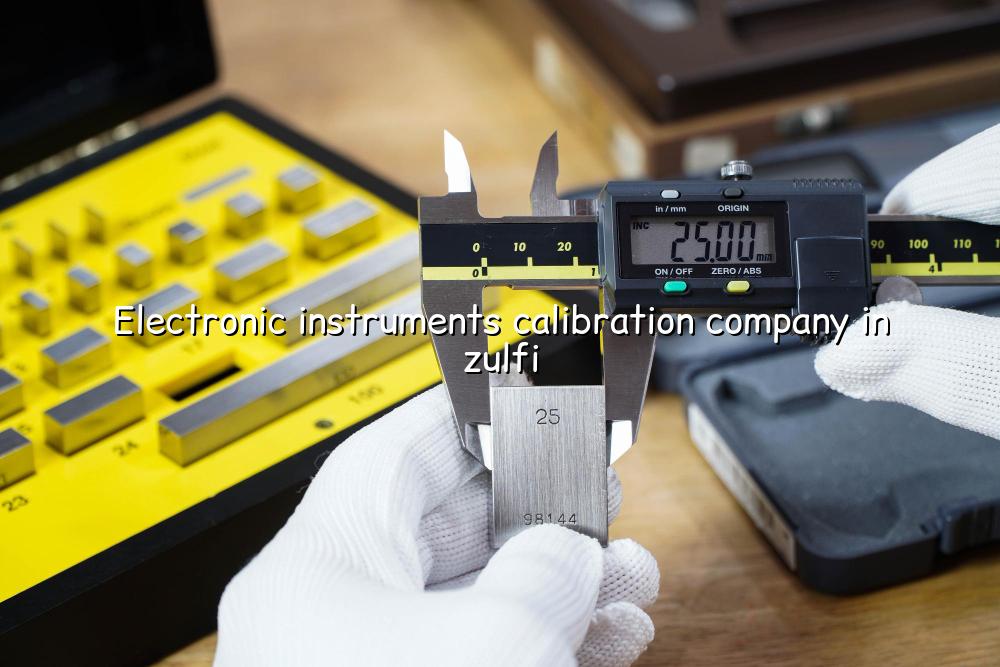
Electronic instruments calibration company in Zulfi support matters when your meters, controllers and test devices need traceable results before a shutdown, audit or handover. You get a clearer route to accuracy, less rework, and documents your QA team can stand behind.
We work with industrial teams across Saudi Arabia and the wider Middle East who need practical calibration support for production, maintenance and commissioning. In our day-to-day work, the common pattern is simple: the plant needs confidence in the reading, not a generic certificate.
What an Electronic Instruments Calibration Company in Zulfi Should Cover
When a site in Zulfi asks for electronic calibration, the scope usually includes multimeters, clamp meters, insulation testers, loop calibrators, process indicators, temperature controllers, data loggers and similar instruments tied to production or maintenance. The real question is not just whether the instrument works today; it's whether the reading can be trusted against a known reference with traceable records.
Calibration for shop floor and control room devices
Shop floor instruments often fail quietly. A clamp meter may still power up, but the current reading drifts enough to affect troubleshooting. A temperature controller may hold a setpoint, yet the displayed value no longer matches the process. We see this in electrical rooms, utility areas, HVAC systems and packaged equipment where the team needs the tool to be right the first time.
Why traceability matters for audits and handover
Traceability is what makes the report useful beyond the bench. Under ISO/IEC 17025:2017, calibration work should link back to recognised standards, with results, tolerances and uncertainty stated clearly. That matters in petrochemical, power, food, cold chain and manufacturing sites, especially when the file will be reviewed by QA, procurement or a third-party inspector.
- Identify the instrument class — separate electrical, thermal, pressure or process devices so each item gets the right reference method.
- Check the as-found condition — record the reading before adjustment so you know whether the instrument had drifted.
- Compare against reference standards — use calibrated references with valid traceability, including the method and test points used.
- Adjust if needed and verify again — bring the device back within tolerance, then confirm the final readings at the same points.
- Issue a usable report — include pass or fail status, findings, and identification details that your team can file without chasing missing data.
- Match the calibration method to the instrument, not the other way around.
- Ask for as-found data when you need maintenance evidence.
- Keep serial numbers and asset tags visible on every record.
- Use onsite service for plant-critical items that are hard to remove.
- Send sensitive or condition-controlled instruments to a temperature-controlled lab.
Common Electronic Instruments and the Checks They Usually Need
| Instrument type | Typical check points | Where it is used |
|---|---|---|
| Digital multimeter | Voltage, current, resistance and continuity verification | Electrical maintenance and troubleshooting |
| Clamp meter | Current range checks and basic electrical accuracy | Panels, motors and utility rooms |
| Temperature controller | Input simulation and display comparison | Ovens, process skids and HVAC systems |
| Data logger | Sensor input, memory response and recorded value checks | Cold rooms, warehousing and monitoring points |
Choosing the Right Calibration Path for Your Site
Some instruments can stay in service with a controlled onsite visit. Others should be collected and handled in a laboratory, especially when they need special conditions, careful transport or a cleaner test setup. At Mayon, we use a temperature-controlled in-house laboratory and a fully equipped mobile calibration lab, so the choice is based on the instrument and the plant situation.
When mobile calibration makes sense
Onsite work is the better answer for installed devices, critical production tools and instruments that are awkward to disconnect. It also helps when the maintenance window is short and the site wants fewer handling steps. For industrial teams in Saudi Arabia, that means less disruption for ongoing work in Riyadh-region operations, eastern province plants and GCC project sites that depend on tight coordination.
Why the process feels easier for your team
We can calibrate, pick up and return instruments that need special conditions, and we keep the documentation aligned with ISO/IEC 17025:2017 practice. That way, your team spends less time moving equipment around and more time using tools that make sense on the next shift.
What Helps a Calibration Job Go Smoothly in Zulfi
Most delays come from missing details rather than the test itself. If the instrument model, serial number, range and expected tolerance are ready before the job starts, the technician can focus on the actual measurements instead of waiting for paperwork or trying to identify an unlabeled device. That is especially useful for industrial users managing mixed fleets of imported equipment.
Make the asset list usable
Keep a clean asset list with the item name, ID, location and service history. If the site uses the same instrument family across multiple lines, note the application too. A loop calibrator on a shutdown project is not the same as one used in routine maintenance rounds.
Tell us the condition before we arrive
If a meter has a damaged lead, a cracked display or erratic readings, say so up front. That helps us decide whether the job should be onsite, collected for lab work or handled after a quick inspection. It also reduces back-and-forth once the equipment reaches the bench.
- Share model and serial details with the request.
- Include tolerance or acceptance limits if your procedure has them.
- Note if the instrument supports a production line, a utility system or a safety check.
- Keep any vendor manual available for unusual devices or special setup notes.
How Calibration Protects Operations and Records
An out-of-tolerance reading can affect production quality, maintenance decisions and compliance records at the same time. A wrong temperature display may change a batch decision; a drifting electrical meter may send a technician in the wrong direction. That is why QA and maintenance teams usually want evidence they can trace, not just a quick sign-off.
Where this shows up most often
We see the issue most often in power rooms, process plants, cold-chain storage, workshop benches and commissioning checks. In Saudi Arabia and across the Middle East, the expectation is usually simple: show that the instrument was checked properly, and keep the file clean enough for audit review.
Records your team can actually use
Good calibration documents should tell a clear story: what was tested, how it behaved as found, what happened after adjustment and whether it met the stated limits. When that is done well, your maintenance history is easier to defend and easier to read months later.
How Mayon Industrial Services Can Help
If you're looking for an electronic instruments calibration company in Zulfi, we can support you with onsite calibration, lab-based checks, condition monitoring and related inspection work. Our team also handles electrical testing and commissioning, repair and maintenance, and setup support when you need more than a single certificate.
Call +91 99447 80844 (India) or +966 59 633 8012 (Saudi Arabia), email services@mayonservices.com, or message us on WhatsApp.
Frequently Asked Questions
We commonly handle multimeters, clamp meters, insulation testers, loop calibrators, temperature controllers and data loggers. If your instrument supports a production line, electrical maintenance task or cold-chain record, we can usually assess the right method and service path for it.
Yes, we do. Onsite work is often the better fit for installed equipment, plant-critical tools and items that are difficult to remove from service. Our mobile calibration lab helps us handle that without turning the job into a major shutdown exercise.
It gives your team a traceable framework for the work, so the record is more useful than a simple pass/fail note. In practice, that means the method, reference standard and results are handled in a way that suits audit, QA and maintenance review.
Yes. For instruments that need controlled conditions or careful transport, we can arrange pick-up and delivery so the device stays protected between site and lab. That helps when the item is sensitive, delicate or tied to a cleaner test setup.
We do. Our Saudi coordination is handled from Dammam Industrial City 2 through SMC Engineering Services / Sixfaces Maintenance Co, and we also support clients across the wider Middle East and GCC where industrial calibration traceability is expected.
Ready to Put Your Instruments Back on a Traceable Path?
Send your instrument list, tell us where the site is, and we'll help you choose the right calibration route for Zulfi or your wider Saudi operation.
Contact Mayon