
Equipment Repair Service Company in Jeddah
Repair support for industrial equipment that has to stay dependable in plant, workshop and field use.
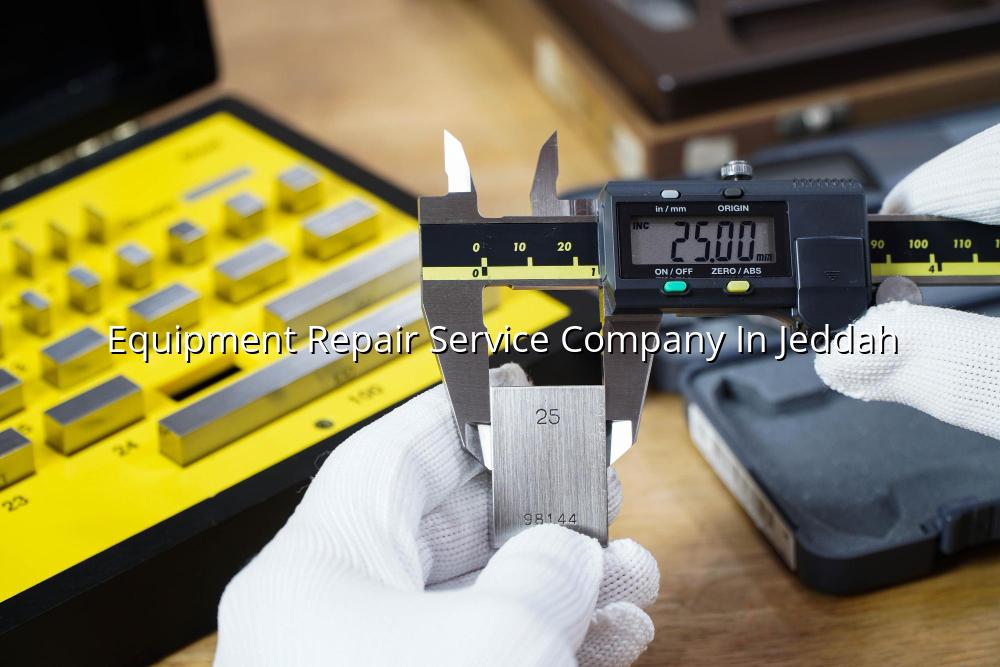
Equipment repair service company in Jeddah support starts with the right diagnosis, not guesswork. If a generator is running hot, a pump is losing pressure, or a compressor keeps tripping, our team helps you find the fault and put the machine back into service with less disruption.
We work with plant teams, maintenance managers and procurement staff across Saudi Arabia, with the same practical approach we use for clients in India and the wider Middle East. That means onsite troubleshooting, workshop repair where needed, and the kind of traceable service that fits industrial sites, utility plants and Gulf projects that cannot afford loose records.
Equipment repair service company in Jeddah for industrial assets
In Jeddah, most repair calls are not about a single broken part. They’re about downtime, safety, and the pressure to keep production moving. We see this in oil and gas support yards, food and beverage lines, cold-chain facilities, construction fleets and manufacturing plants that depend on generators, air compressors, pumps, hydraulic cylinders, hydrotest pumps and other rotating or pressure equipment. The better the initial inspection, the fewer repeat failures you get later.
What we check before a repair starts
We begin with a practical fault review. Noise, vibration, overheating, leakage, poor start-up, low output or unstable pressure all tell a story. If needed, we combine repair work with condition monitoring, electrical testing, calibration checks or basic commissioning verification so the same problem does not return the next week.
Repair work that suits real plant conditions
Our repair and maintenance work is built for industrial sites, not light-duty workshop jobs. We handle generators, compressors, pumps, hydraulic cylinders, filtration pumps and hydrotest equipment, and we support related mechanical tasks such as bolt torquing, flange work, cold cutting, and testing after reassembly. For many clients, that saves a second contractor visit and keeps responsibility in one place.
- Log the fault clearly — record the symptom, operating condition and any alarms before shutdown.
- Inspect the equipment in place — check fittings, seals, wiring, bearings, mounts and visible wear before stripping the unit.
- Confirm the repair scope — decide what can be fixed onsite and what should move to the workshop for safe stripping.
- Repair, test and verify — rebuild the unit, check performance under load where possible, and document the result for your maintenance file.
- Ask for fault finding before parts replacement so you don’t chase symptoms.
- Keep the machine tag, serial number and site location ready for faster job matching.
- Share any previous repair history, especially repeat bearing, seal or relay issues.
- Use one team for repair and testing when the asset is tied to pressure, temperature or electrical performance.
- For Saudi projects, keep inspection and repair records easy to trace for your QA file.
Typical equipment repair paths and what they involve
| Equipment type | Common fault pattern | Repair focus |
|---|---|---|
| Generators | Starting trouble, overheating, unstable output | Electrical checks, mechanical inspection, load verification and fault isolation |
| Pumps | Low discharge, leakage, vibration, seal wear | Seal replacement, alignment, bearing check and pressure test |
| Compressors | Pressure loss, noise, tripping, oil issues | Valve review, lubrication check, drive inspection and functional testing |
| Hydraulic cylinders and hydrotest units | Pressure drop, drift, leaks, poor stroke control | Hose, seal and manifold review with pressure integrity checks |
Why repair quality matters in Saudi plant work
Industrial buyers in Jeddah usually need more than a quick fix. They need a repair that fits ISO 9001:2015 quality systems, supports equipment records, and makes sense during site audits or handovers. For pressure systems and electrical assets, a clean repair file helps your team show what was checked, what was replaced, and what was tested after the work.
Records that help the next shutdown
We often tell clients to keep repair notes together with calibration certificates, inspection reports and commissioning results. That way the next maintenance shutdown starts with real history, not memory. It sounds simple, but it saves time when the same asset comes back for work six months later.
Built for plant rooms, yards and field crews
Our technicians handle the kind of jobs that come up in hot, dusty and high-use environments: worn couplings, tired seals, failed relays, misaligned shafts, leaking lines and pressure systems that need careful retesting before handback. We keep the work practical and the reporting clear.
How we handle repairs from first call to handback
When a site in Jeddah asks for help, the first goal is to stop the problem from getting worse. That may mean isolating the machine, checking whether the failure is mechanical or electrical, and deciding if the unit can stay in service until a planned shutdown. For critical assets, we also support condition monitoring, infrared thermography, vibration analysis and laser shaft alignment so we can catch the source, not just the result.
Where our repair work fits best
Our repair service fits generators at commercial and industrial sites, pumps used in utilities and process plants, compressors in workshops and factories, and hydraulic or pressure equipment used in maintenance yards. We also support related work such as testing and commissioning, flange facing, bolt tensioning and hydrotesting where the repair has to be proven before the asset returns to duty.
Short outages need clear decisions
In my experience, the quickest jobs are the ones where the customer shares the fault details early and keeps decision makers in the loop. That helps us avoid unnecessary stripping and gives your team a realistic repair path. If the unit needs special handling, we can arrange pick-up and delivery for instruments or components that require controlled conditions.
- Capture the operating symptom — note the pressure, temperature, load or vibration issue before shutdown.
- Separate site checks from workshop repair — decide what can be tested in place and what needs bench repair.
- Carry out the repair — replace worn parts, correct alignment, clean, reassemble and secure the equipment properly.
- Validate the result — confirm the equipment starts, runs and holds performance within the expected operating condition.
- Use one repair partner for electrical, mechanical and test support where possible.
- Ask for field troubleshooting if the asset can’t be transported easily.
- Keep spare parts decisions tied to measured wear, not assumptions.
- For pressure and rotating equipment, always ask what verification was done after the repair.
- Make sure the repair file is ready for QA, EHS and site handover checks.
How Mayon Industrial Services Can Help
If you need an equipment repair service company in Jeddah that can handle repair, testing and related industrial support in one conversation, we can help. Our team works across mechanical services, condition monitoring, electrical testing, calibration and lab setup, so the repair plan is based on how your equipment actually behaves on site. That keeps the job practical and the handback easier for your maintenance team.
Call +91 99447 80844 (India) or +966 59 633 8012 (Saudi Arabia), email services@mayonservices.com, or message us on WhatsApp.
Frequently Asked Questions
Most of our calls come from maintenance teams, plant managers and procurement staff who need a broken asset back in service without wasting time. If the unit affects production, safety or utility supply, a specialist repair team usually saves you from repeated trial-and-error fixes.
Yes — those are exactly the kinds of jobs we see often. We inspect the unit, identify whether the fault is mechanical or electrical, and then decide if the repair should happen onsite or in the workshop.
We do. Our Saudi base in Dammam Industrial City 2 supports work in Saudi Arabia, and we also serve clients across the wider Middle East. For customers in Jeddah, that means repair support with an industrial mindset and clear communication.
Send the machine type, serial number, location, the fault symptom, and any photos or alarm messages you have. If the equipment was already repaired before, share that history too. It helps us decide what to bring and how to plan the visit.
Yes, and that’s usually the part that matters most. We can support electrical testing, pressure checks, calibration-related verification and mechanical checks so you know the repair wasn’t just cosmetic.
We can arrange pickup and delivery for equipment or instruments that need special handling. That’s useful when a controlled environment or careful transport is better than trying to fix everything on site.
Ready to get the asset back to work?
If you need a repair partner who understands industrial equipment, QA records and site realities in Jeddah, speak with Mayon Industrial Services.
Contact Mayon