
Field Training Service Provider Company in Arar
Practical field training for engineers and technicians who need real site experience, not classroom theory.
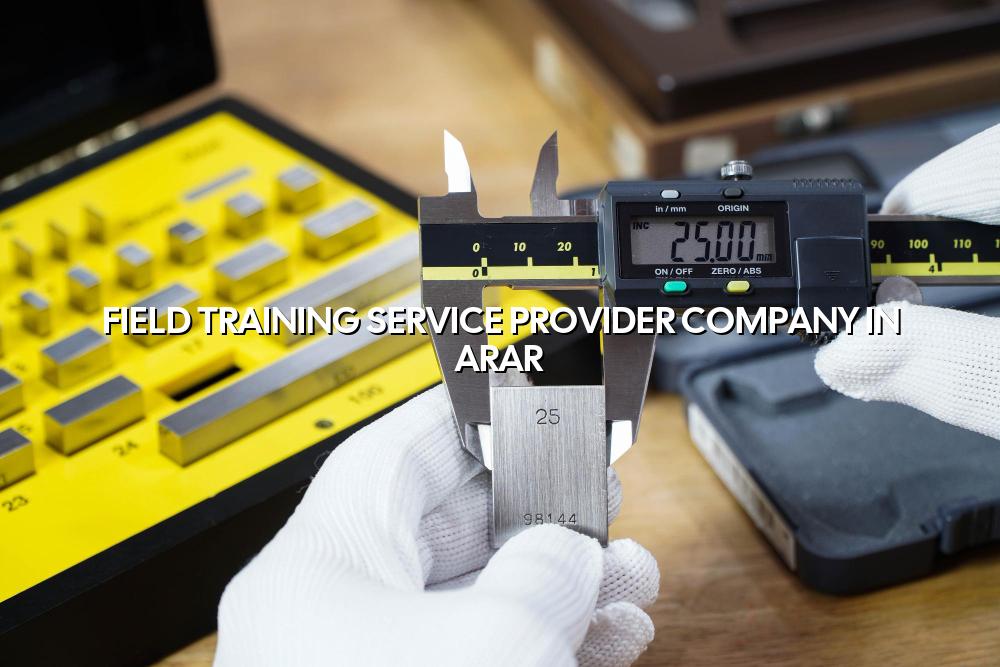
Field training service provider company in Arar is a phrase people usually search when they need practical, site-based coaching that helps their technicians work safely and correctly from day one. If that's your need, this page gives you a straight answer on what field training should cover, how to structure it, and what to ask before you book anyone.
We work with industrial teams that want less theory and more hands-on competence. In Saudi Arabia, especially around oil & gas, utilities, manufacturing and maintenance sites, the best training is the kind that fits the actual job, the plant layout and the standards your team already follows.
What a Field Training Service Provider Company in Arar Should Deliver
A good training provider doesn't just speak about procedures. It stands beside your team on the floor, near the equipment, and shows how the work is really done. For industrial users in Arar, that usually means training around calibration basics, instrument handling, maintenance routines, inspection checkpoints, electrical safety, mechanical isolation and clear reporting discipline.
Training that matches the job site
Most supervisors we speak to want their staff to understand the exact tools they're using. That could mean pressure gauges, temperature instruments, torque tools, electrical test gear or portable appliance testing devices. The point is simple: if the training is done away from the real work area, people forget half of it. If it's done at the site, the lessons stick.
Why local context matters in Arar
Arar operations often involve maintenance teams that support remote assets, plant shutdowns, workshop work and periodic inspections. The training must reflect that reality. A technician who understands how to check an instrument before use, how to record readings and how to spot a bad setup saves time, protects equipment and reduces repeat work.
- Start with the actual task list — map the jobs your team performs most often, then build the session around those tasks.
- Review the tools and risks — identify the instruments, access points, electrical hazards and lifting or hot-work concerns before anyone begins.
- Demonstrate the correct method — show the step, let the trainee repeat it, and correct the small mistakes on the spot.
- Check competence at the end — confirm that the learner can explain the method, do the task and complete the record properly.
- Use real tools from your workshop or plant wherever possible.
- Keep groups small so each person gets hands-on time.
- Include safety, documentation and fault recognition, not just operation.
- Tie every lesson back to the equipment your team sees every week.
Typical Topics Covered During Onsite Industrial Training
| Topic | What the team learns | Common site result |
|---|---|---|
| Instrument handling | How to store, move, check and protect test instruments before use | Fewer damaged tools and fewer repeat checks |
| Calibration awareness | How traceability, labels, due dates and certificates affect daily work | Cleaner records and better compliance control |
| Safety practice | Basic isolation, PPE, permit awareness and safe work habits | Lower risk during routine maintenance and inspection |
| Field reporting | How to record readings, note anomalies and hand over work properly | Less confusion between shifts and departments |
How We Build Practical Confidence in the Field
We focus on the work that affects output. That can mean pre-use checks for pressure and electrical instruments, better housekeeping around test kits, or a cleaner workflow for maintenance teams during shutdowns. The training should leave people calmer, quicker and more careful, not overloaded with slides they'll never read again.
Where this helps most
We've seen the best results in maintenance workshops, calibration labs, utility sites, cold-chain facilities and production units that run tight schedules. Teams in these settings don't need fancy language. They need clear steps, a short method and a trainer who can explain why the step matters when the job is live.
Training should feel like a working session
We keep it practical: show the method, repeat it, check the result, and correct the habits that cause problems later. That approach works well for teams that manage calibration logs, inspection records, commissioning tasks and routine maintenance work across industrial sites.
What Changes After a Proper Field Session
After a proper field session, people ask better questions. That sounds small, but on an industrial site it's a big deal. They start checking the instrument condition before the job starts, they notice calibration status sooner, and they stop treating documentation like an afterthought.
Teams also tend to work with less supervision. Supervisors spend less time correcting avoidable mistakes, and managers get more consistent results across shifts. In our experience, the second round of work is where the benefit shows most clearly, because the habits have had time to settle.
How Mayon Industrial Services Can Help
We support field training with the same industrial mindset we use for calibration, mechanical services, inspection, orbital welding and lab setup. If your team in Arar needs practical coaching on instrument care, site procedures, documentation or maintenance discipline, we can shape the session around the work you actually do. That keeps the training useful on Monday morning, not just impressive on paper.
Call +91 99447 80844 (India) or +966 59 633 8012 (Saudi Arabia), email services@mayonservices.com, or message us on WhatsApp.
Frequently Asked Questions
It trains your staff at the site or in a working environment instead of relying only on theory. That usually covers equipment handling, safe work steps, reporting, and the small habits that prevent damage or rework. For industrial teams, that practical focus matters more than polished slides.
Yes. That's usually the best way to do it because calibration staff, mechanical teams and electrical technicians all face different risks and tools. We can shape the session around your instruments, your workflow and the jobs your people see every week.
Yes, we work with clients across Saudi Arabia, India and the Middle East. Our team is used to industrial sites where practical demonstrations, safety discipline and clear records matter. If your operation is in Arar or nearby industrial areas, we can discuss what makes sense for your team.
That depends on the job scope, the number of trainees and how many tools or procedures need to be covered. A short awareness session and a hands-on practical module are very different things. We usually plan it around the real work package so the time spent is useful, not rushed.
Oil & gas, petrochemical, power, construction, healthcare, pharmaceutical, cold chain and manufacturing teams all benefit from it. Any place that uses calibrated instruments, maintenance tools or inspection routines can gain from more hands-on training. The bigger the asset base, the more useful a structured field session becomes.
Ready to train your team the practical way?
If you want field training that fits your site, your equipment and your standards, talk to our team and we'll help you shape the right plan.
Contact Mayon