
Flange Facing Service Company in Marjan
Onsite flange facing for cleaner sealing, better fit-up and fewer leak risks in Marjan and nearby industrial shutdowns.
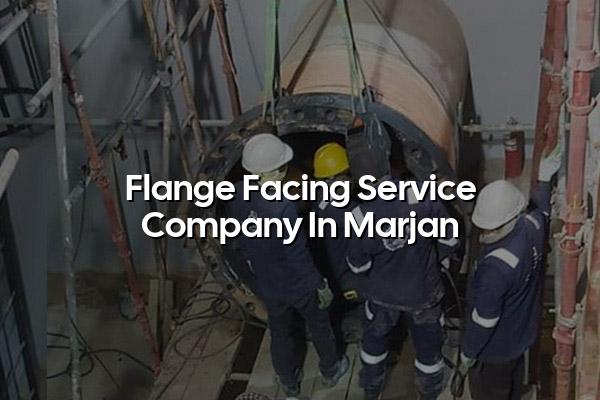
Flange facing service company in Marjan support matters when a sealing face is nicked, corroded or left out of tolerance after maintenance. You get a flat, clean surface that helps the joint seat properly and reduces the chances of repeat leak checks.
We work around shutdown schedules, brownfield tie-ins and urgent maintenance calls in Marjan and the wider Saudi industrial belt. For oil and gas crews, the real value is simple: less waiting on a faulty flange, less rework at bolt-up, and better confidence before the line is handed back.
Flange Facing Service Company in Marjan for Reliable Sealing
When a flange face is uneven, scratched or damaged by old gasket residue, the joint can become a problem long before pressure testing starts. Our team brings field-ready machining for pipework, vessels, skids and package equipment so you can restore the sealing surface without stripping the whole assembly. In practice, that means better surface condition, better gasket contact and a cleaner path to safe reinstatement.
Where flange facing helps most
We see the need most often after maintenance on process lines, pump skids, exchanger connections, compressors and piping spools that have been opened more than once. Marjan sites tied to oil and gas production usually want the job done near the line, because removing a heavy spool for workshop machining can waste time and create lift planning headaches. Onsite flange facing keeps the work close to the asset.
What our crew checks before cutting
Before we set up, we look at the flange type, available access, face damage, bolt pattern and the surrounding hazards. That helps us choose the right tooling and avoid creating a second problem, like heat distortion or unnecessary metal removal. If the joint needs related work, we can coordinate cold cutting, bolt torquing, hydrotesting and commissioning support from the same team.
- Inspect the joint — we confirm the face condition, flange size and site access before any machining starts.
- Set up the machine — the facing head is fixed securely so the cut stays controlled and true.
- Machine the sealing face — we remove damage, old gasket material and minor surface defects in a controlled pass.
- Check the finish — the face is examined for flatness, clean contact and readiness for gasket installation.
- Works well on maintenance shutdowns where time on site is tight.
- Helps restore damaged sealing faces without full disassembly.
- Suits oil and gas, petrochemical and power plant piping systems.
- Can be paired with bolt torquing, hydrotesting and testing & commissioning.
- Reduces rework when gasket seating has already been compromised.
Choosing the Right Flange Facing Approach
| Situation | Typical concern | Field approach |
|---|---|---|
| Minor gasket damage | Residue, light scratches, poor seating | Light facing pass and final surface check |
| Corroded sealing face | Uneven contact and leak risk | Controlled machining to restore the face |
| Shutdown tie-in | Short maintenance window | Onsite setup with linked bolt-up support |
| Repeated opening of a joint | Face wear over time | Inspect flange condition before gasket replacement |
Why Marjan Maintenance Teams Ask for Onsite Facing
A damaged flange face can hold up a whole work pack. If the face is not right, gasket installation becomes a guessing game and torque values stop meaning much. On projects in Saudi Arabia, especially around oil and gas assets, crews want predictable fit-up before they close a system and move to pressure testing.
Small defects cause big delays
We often find that the issue starts with a tiny gouge, but the consequence shows up later as repeat tightening, seepage or a failed inspection close-out. That is why a proper facing job is not just cosmetic. It gives maintenance and QA teams a sound base for the rest of the job.
Built for brownfield work
Our field machining team is used to working in active industrial areas where access is awkward, pipe supports get in the way and every lift needs planning. We coordinate with the site team, keep the setup tidy and focus on the sealing face, not on creating extra disruption around it.
What Good Flange Facing Looks Like on Site
Good work starts with stable setup and ends with a face that is ready for the chosen gasket style. On a Marjan job, that usually means the machine has to be aligned carefully, the cut has to stay consistent and the final surface must be free from the marks that cause uneven compression. No theatrics. Just a clean sealing surface that supports the joint design.
We also keep an eye on surrounding conditions. Heat, dust, cramped access and active production areas all change how a job gets done. That is why our team treats flange facing as part of a wider maintenance task, not an isolated machine pass. If the line needs inspection, torque verification or related mechanical support, we line it up so the site team is not chasing three contractors for one joint.
How Mayon Industrial Services Can Help
We handle flange facing alongside mechanical services, hydrotesting, bolt torquing, testing and commissioning, so your team can deal with one point of contact instead of piecing the job together. If the same work pack also needs calibration support, inspection or repair of related equipment, we can cover that too. For Marjan and other Saudi industrial sites, that saves back-and-forth during busy shutdown windows.
Call +91 99447 80844 (India) or +966 59 633 8012 (Saudi Arabia), email services@mayonservices.com, or message us on WhatsApp.
Frequently Asked Questions
We machine the sealing face of a flange so it is clean, flat and ready for gasket installation. That helps with bolt-up quality and reduces the risk of leaks after reinstatement. On site, the job is usually tied to maintenance, repair or shutdown work.
Yes, it can. Onsite work is often the better choice when the flange is part of a fixed system and removing it would mean more lifting, transport and downtime. We set up field machining so the face can be corrected where the asset is located.
If the damage is limited to the sealing face and the flange body is still sound, repair is often the first thing to look at. A site inspection will show whether machining is enough or whether the component needs a different fix. That decision depends on access, damage depth and the line criticality.
We do. That is often the practical way to handle a maintenance job, because the sealing face, gasket fit-up and final pressure integrity are all linked. When those tasks sit under one work pack, site coordination becomes much easier.
Oil and gas, petrochemical, power and industrial maintenance teams call for it most often. We also see it around process skids, pump lines and equipment connections in facilities that cannot afford repeated leakage checks. Those sites need the face done properly the first time.
Ready to get the flange face right?
If your maintenance team needs accurate onsite machining in Marjan, talk to us and we’ll help you plan the job around the rest of the shutdown work.
Contact Mayon