
Flow Meter Calibration Company in Hail
Onsite flow metering support for oil, water, HVAC and process lines, with traceable calibration and practical field service for Hail facilities.
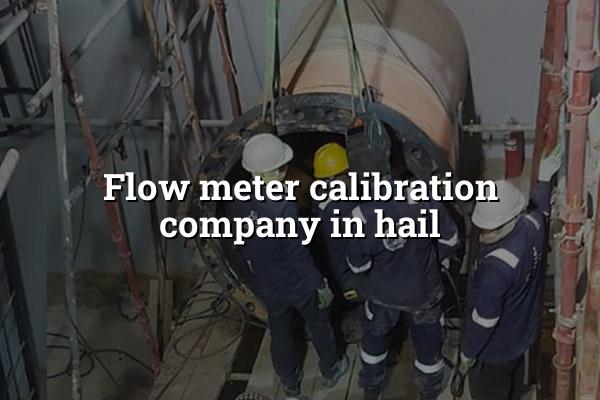
Flow meter calibration company in Hail is what you search for when the reading matters and you can't afford guesswork. We help you keep custody transfer, process control and utility metering aligned with real-world performance, so your team can trust the numbers on site.
From Hail industrial sites to Saudi field projects that need mobile lab support, we calibrate flow-related instruments with traceability, practical reporting and a field-ready approach. Our team works with maintenance heads, QA teams and shutdown planners who want the job done properly the first time.
Flow meter calibration company in Hail for field and lab work
For most plants, flow issues show up in small ways first: a pump runs harder than it should, batch figures drift, or a transfer line never quite matches the process sheet. That's where a proper flow meter calibration company in Hail helps. We check the instrument against traceable reference methods and look at the full setup, not just the tag number.
Where this service fits in real operations
We see flow meters on water networks, cooling systems, oil and chemical lines, and utility skids in the region's industrial facilities. In Hail, that often means equipment exposed to dust, heat and frequent process changes. A meter can be technically installed yet still give poor readings if the upstream conditions, sensor condition or installation distance have shifted.
How we approach calibration on site
Our team starts by checking the meter type, line size, process medium and the way the meter is being used. Then we decide if onsite verification is enough or if the instrument needs lab handling, pickup and delivery, or a fuller inspection before calibration. That practical split saves time and avoids unnecessary removal when the meter can be handled in place.
- Identify the meter and service duty — we confirm the application, line conditions and any known drift or process complaints.
- Check installation and access — straight runs, fittings, sensor position and isolation points are reviewed before testing begins.
- Apply the calibration method — the selected reference approach is used so the result matches the meter's working range and application.
- Record findings and status — you receive the measured result, condition notes and a clear pass/fail view for maintenance planning.
- Keep flow meters on a defined calibration register with tag number, service date and location.
- Watch for air entrainment, vibration and blocked strainers before blaming the meter.
- Plan checks after shutdowns, pipework changes or pump replacements.
- Use traceable records for QA files, maintenance reviews and audit support.
Common flow meter checks and where they fit best
| Meter type | Typical use | What we look at |
|---|---|---|
| Electromagnetic flow meter | Water, treated water and conductive liquids | Signal stability, installation conditions, grounding and repeatability |
| Ultrasonic flow meter | Large pipes, utilities and retrofit jobs | Transducer condition, path setup and reading consistency |
| Turbine flow meter | Clean liquids and controlled process lines | Rotor response, bearing wear and output at working flow points |
| Positive displacement meter | Fuel, oils and viscous media | Mechanical condition, pulsing behavior and accuracy across flow range |
Why traceability matters for Hail and Saudi industrial sites
Saudi plants and project teams usually want records they can defend during internal review, vendor checks and maintenance closeout. That's why ISO/IEC 17025:2017 traceability matters so much. It gives your calibration record a proper technical base, especially when the meter affects production, billing or quality control.
Better records, fewer arguments
Once a meter starts drifting, people often debate the symptom instead of the cause. Good calibration data settles that quickly. It helps your team decide whether the instrument can stay in service, needs adjustment, or should be replaced before it causes a process headache.
Built For Active Plants
We handle routine calibration, troubleshooting support and mobile-lab work for sites that can't spare a long shutdown. For Hail operations, that often means planned visits around production windows and the right mix of field checks plus lab handling where needed.
What to prepare before a flow meter calibration visit
Good preparation makes the visit smoother and keeps the line downtime under control. We always recommend having the meter tag, process medium, pipe size, operating range and any recent maintenance notes ready. If a meter was disturbed during turnaround work, tell us that up front. It helps us choose the right check sequence.
For some clients, the bigger issue is not the meter itself but the installation around it. A partly closed valve, a dirty strainer or a bad upstream bend can create unstable readings that look like instrument failure. We point those things out because fixing the wrong problem wastes everyone's time.
When onsite service makes the most sense
Onsite work is usually the best fit for active process lines, utility meters and sites that want quick technical feedback without pulling the instrument out. Our mobile calibration lab is useful here, and for special handling we can arrange pick-up and delivery for instruments that need controlled conditions.
- Confirm the site scope — we review the meter list, location and access conditions before mobilization.
- Isolate or prepare the line — your team makes the meter safe for the agreed test method.
- Run the calibration checks — readings are assessed against the expected operating range and process duty.
- Review results with your team — we explain any deviation, condition issue or follow-up need in plain language.
- Share the meter tag list before the visit so the right tools and references come prepared.
- Keep isolation valves and bypass arrangements ready if the line will be tested in place.
- Note any recent repair, cleaning or sensor replacement work on the instrument.
- Ask for the calibration record to be tied back to your internal asset list.
How Mayon Industrial Services Can Help
We support flow meter calibration with the same practical mindset we use across calibration, mechanical services and inspection. If your site in Hail needs onsite checks, lab support, condition notes or help deciding whether a meter is still fit for service, our team can step in. We also handle related work such as electrical testing, lab setup and maintenance support when the job goes beyond one instrument.
Call +91 99447 80844 (India) or +966 59 633 8012 (Saudi Arabia), email services@mayonservices.com, or message us on WhatsApp.
Frequently Asked Questions
Honestly, the best fit is the team that can handle your meter type, site access and reporting needs without making the job harder. We work with industrial clients who need traceable calibration, practical field checks and a clear view of whether the meter should stay in service.
Yes, many meters can be checked onsite if the line can be made safe and the access is workable. Our mobile calibration lab helps with field work, and we can also arrange pickup and delivery when the instrument needs special handling or controlled conditions.
Send the meter tag, meter type, pipe size, medium, location and any recent maintenance notes. If you have a list of assets for a shutdown or audit, that helps too. The more we know before the visit, the smoother the site work tends to be.
Yes, we support industrial clients in Saudi Arabia, including oil and gas and related process sectors. The exact method depends on the meter type and installation, but the goal is always the same: get a dependable result the maintenance and QA teams can use.
If the readings drift, the process figures stop matching, or the meter has visible wear or instability, calibration is the first step. If the result shows major deviation or the meter has mechanical damage, replacement may be the better call. We help you sort that out with the evidence in front of you.
Need a flow meter checked in Hail?
Send us the meter details and we'll help you choose the right onsite or lab-based path for your operation.
Contact Mayon