
Flow Meter Calibration Company in Madina
Traceable calibration for process flow instruments used in oil, water, utility and plant systems across Saudi Arabia and the GCC.
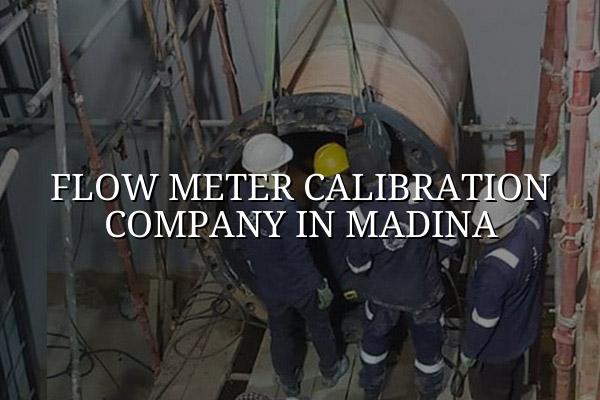
Flow meter calibration company in Madina is the search most plant teams make when readings start drifting, custody checks get questioned, or a maintenance shutdown is already on the calendar. We help you get the meter back to a traceable state so you can trust the numbers on the screen, the logbook, and the report your auditor sees.
Our work fits the way industrial sites in Saudi Arabia actually run. That means onsite support for running plants, a temperature-controlled in-house laboratory for instruments that need tighter conditions, and mobile calibration capability when moving equipment is easier than stopping a process line. We support oil and gas, petrochemical, power, water, manufacturing, cold-chain and engineering teams across Madina, Dammam and the wider Middle East.
What a Flow Meter Calibration Company in Madina Should Deliver
When a flow meter is out of tolerance, the problem is rarely just a meter problem. It can affect material balance, utility billing, batch control, chemical dosing, tanker loading and simple day-to-day confidence in the process data. A proper calibration job should tell you where the meter stands, what method was used, what the uncertainty looked like, and whether the instrument still fits the job you’ve given it. We work to ISO/IEC 17025:2017 for calibration competence, and we keep the paperwork clean enough for QA, maintenance and procurement teams to use without chasing extra explanations.
Where flow meter calibration matters most
In Madina and across Saudi Arabia, we see flow measurement problems in water systems, HVAC loops, fuel lines, chemical transfer skids, compressed air applications and production utilities. A meter can drift because of wear, fouling, poor installation, unstable flow profile or simple time in service. Some clients bring us clamp-on ultrasonic meters, others send in turbine, electromagnetic or positive displacement types, and many ask for onsite checks because the line is too critical to remove. The best setup is the one that fits your plant, not a fixed template.
What we check before we issue a result
Before any calibration starts, our team confirms the instrument identity, tag number, range, service condition and the purpose of the measurement. That matters because a meter used for process control is not the same as one used for billing or reconciliation. We also review whether the instrument needs pickup and delivery, onsite work, or lab handling under special conditions. If the meter is tied to a critical process, we’ll plan the work around your shutdown window and site access rules so the job stays practical.
- Identify the meter and service duty — we record model, serial number, line size, range and application so the calibration matches the real use.
- Inspect installation and condition — we check for visible damage, contamination, wiring issues, mounting problems and anything that could distort the reading.
- Apply the chosen calibration method — the method depends on the instrument type, the measurement range and whether onsite or in-lab work is the better fit.
- Compare results and document findings — we note deviations, as-found and as-left values where applicable, then issue records you can file with maintenance or QA.
- Calibrate after installation changes, not only on a calendar date.
- Keep inlet and outlet conditions stable where the process allows it.
- Match the calibration method to the meter technology and application.
- Ask for traceable records when the meter supports audit or billing decisions.
- Recheck suspect meters after cleaning, repair or line isolation work.
Flow Meter Types We See in Saudi Industrial Sites
| Meter Type | Typical Use | Calibration Focus |
|---|---|---|
| Electromagnetic | Water, utilities, process liquids | Signal stability, installation condition, line filling |
| Turbine | Fuel, clean liquids, transfer lines | Repeatability, bearing condition, flow profile |
| Positive displacement | Viscous liquids, custody-related duties | Volume accuracy, wear, leakage, mechanical condition |
| Ultrasonic | Large pipelines, utilities, retrofits | Transducer condition, path setup, clamp alignment |
Why Traceable Records Matter for Flow Meter Work
In our experience, most disputes around flow measurement do not start with a broken meter. They start when nobody can show what was checked, by whom, under what condition, and against what reference. That is why our calibration records are built to support internal QA, maintenance planning and customer review. We work within ISO/IEC 17025:2017 and ISO 9001:2015 practices, and we keep to the standards and references we are permitted to use, including EURAMET CG-15 for electrical calibration where it applies in the wider instrument set.
What your team gets back
You get the measured result, the identification details, and the evidence needed to decide the next action. That may mean returning the meter to service, sending it for repair, or replacing it if the drift is too far for the application. For plants in Dammam Industrial City 2, Madina and nearby GCC sites, that clarity saves time during audits and helps maintenance staff avoid repeat troubleshooting on the same instrument.
Built for Real Plant Conditions
We handle flow meters alongside pressure, temperature, mechanical and electrical instruments, so your maintenance team can group work sensibly. If a meter needs special handling, we can pick it up and return it under the right conditions. If the line can’t stop, onsite support is usually the better route.
Choosing the Right Flow Meter Calibration Plan
There isn’t one universal calibration plan for every site. A utility meter in a warehouse, a transfer meter in a chemical plant and a production meter in an oil and gas facility all live different lives. The right plan depends on the meter type, service fluid, risk to operations and how much confidence you need in the result. We talk to customers who want a simple verification, and we also work with teams that need a deeper calibration record for a controlled process or an audit trail.
Onsite or in-lab?
If the meter is fixed into a live system, onsite work is often the only practical choice. If the instrument can be removed without hurting operations, the laboratory route may suit better, especially when special conditions or tighter handling are needed. Our temperature-controlled in-house lab helps when the instrument or related device needs more controlled conditions than a normal workshop can offer. That matters for customers who care about consistency, not just a pass mark.
How we keep the job practical
We plan around access, isolation, tags, line status and the realities of plant work. On a busy site, the best service is the one that avoids extra shutdowns and repeated callbacks. That is why we keep our mobile calibration lab ready for onsite work and support pick-up and delivery when special conditions are needed. It saves your team from moving delicate instruments more than once.
- Confirm the process need — we ask what the meter supports, from utility monitoring to critical production measurement.
- Choose onsite or lab handling — the decision depends on access, risk, conditions and the time window your site can give us.
- Schedule around plant activity — we work with shutdowns, line availability and other maintenance tasks so the meter job fits the week.
- Review the result with your team — once the calibration is done, you can use the record to plan repair, return to service or further action.
- Group flow meters with nearby pressure and temperature instruments to reduce downtime.
- Keep meter tags and serial numbers readable before the service visit.
- Share the meter’s service fluid and range in advance so we can prepare the right method.
- Use pickup and delivery when the instrument needs protected handling.
Beyond Calibration: Repair, Commissioning and Follow-Up
Some meters come back with simple drift. Others point to a bigger mechanical or installation issue. When that happens, our wider service mix helps. We can support mechanical work, testing and commissioning, condition monitoring, repair and maintenance, and even related electrical checks on the systems that feed the process. That is useful for teams in manufacturing, power, healthcare and petrochemical facilities where the meter is only one part of the chain.
One team for adjacent problems
If a flow meter issue is tied to pump performance, valve condition, vibration or a control panel concern, a single vendor approach is often easier to manage. It keeps the finger-pointing down and gives you one clear contact. We also support lab design and setup, so if your site is building a new calibration capability, we can help plan that from the start.
Good Records Start with Good Handling
For instruments that need special conditions, careful packing and the right transport matter as much as the calibration itself. We keep that practical. No drama, no guesswork. Just the sort of handling industrial teams expect when the instrument still has a job to do tomorrow.
How Mayon Industrial Services Can Help
If you need a flow meter calibration company in Madina, we can support you with onsite calibration, in-lab handling, pickup and delivery, and the surrounding work that often comes with plant instrumentation. We also help teams that need condition monitoring, mechanical services, inspection, orbital welding, lab setup or training, so the same trusted contact can cover more than one maintenance need. For Saudi sites, our Dammam Industrial City 2 presence through SMC Engineering Services / Sixfaces Maintenance Co helps us stay close to the work. If you want a clear next step, send the meter details and we’ll talk through the best route.
Call +91 99447 80844 (India) or +966 59 633 8012 (Saudi Arabia), email services@mayonservices.com, or message us on WhatsApp.
Frequently Asked Questions
Honestly, the best fit is the team that can handle your meter type, your site rules and your reporting needs without making the job harder. For industrial sites, that usually means traceable calibration, onsite support when the line can’t stop, and records that your QA team can file straight away. That’s the standard we work to.
Yes, we can support onsite work when the meter is installed in a live process or when removal would create extra downtime. Our mobile calibration lab is set up for field work, and we also support jobs from Dammam Industrial City 2 across Saudi Arabia. That makes it easier for plant teams who need the work done around operations, not the other way around.
We commonly work with electromagnetic, turbine, positive displacement and ultrasonic meters. The right method depends on the service fluid, the range and the application, so we ask for the model and process details before we schedule the job. That saves time on site and helps us bring the right setup.
Yes. Our calibration work is aligned with ISO/IEC 17025:2017 competence requirements, and we issue records that show the instrument details and the measured result. If your audit needs a clear history for QA or maintenance review, those records are built for that purpose. We keep the language practical, not padded.
Yes, we offer pickup and delivery for instruments that need special conditions. That is useful when the meter is delicate, needs controlled handling, or simply shouldn’t be moved around twice by the plant team. It also keeps the job cleaner for instruments coming from cold-chain, chemical or utility applications.
We usually see requests from oil and gas, petrochemical, power, water, manufacturing, food and beverage, cold chain and general engineering sites. Those sectors rely on stable flow readings for process control, utilities, batching or transfer work. The exact need is different at each site, but the need for accurate measurement is the same.
Ready to get your flow readings back on track?
Send us the meter details and site location, and we’ll help you choose the right calibration path for your operation.
Contact Mayon