
Flow Meter Calibration Company in Petro Rabigh
Traceable flow measurement support for Petro Rabigh plants, utilities, and maintenance teams.
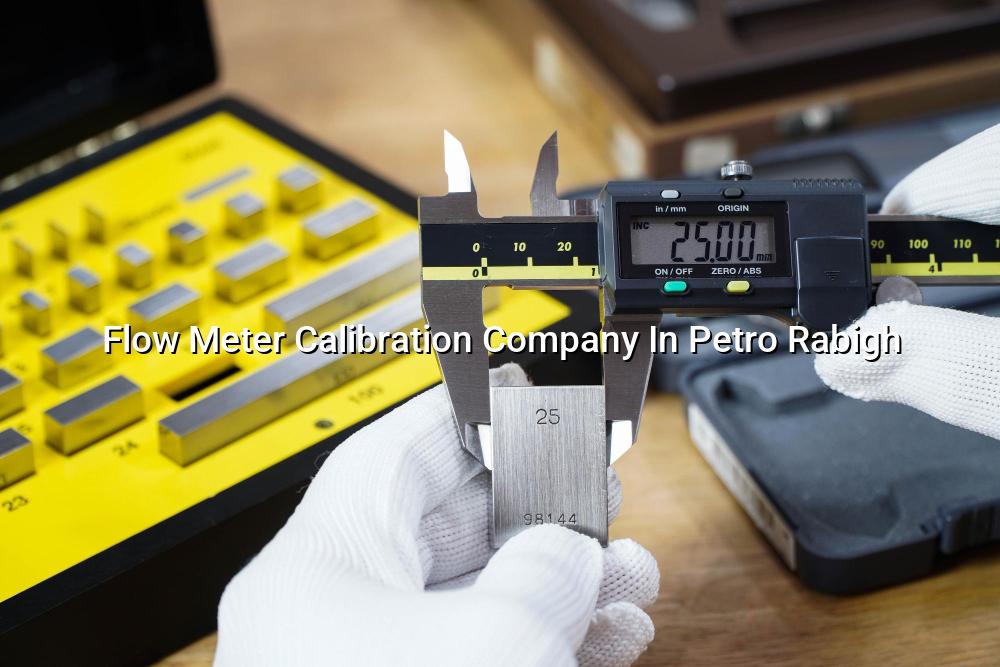
Flow meter calibration company in Petro Rabigh search results usually point to one need: keep custody transfer, batching, and utility flow readings trustworthy before small errors turn into plant losses. We help you do that with traceable calibration support, practical field work, and the kind of documentation maintenance teams can actually use.
In Petro Rabigh, the work is rarely just about one meter. It sits inside process lines, cooling water loops, fuel systems, or tank farm duties, and the result has to stand up to QA checks, shutdown planning, and plant audits. That's the setting we work in across Saudi Arabia and the wider Middle East.
What Petro Rabigh Plants Expect From Flow Calibration
When a plant team asks for flow meter calibration, they're usually looking for more than a sticker and a certificate. They want confidence that the meter is still measuring within the tolerance their process needs, with traceability that makes sense to operations, maintenance, and quality teams. That's especially true around Petro Rabigh, where petroleum, petrochemical, power, and utility systems all depend on stable readings for daily decisions.
Where the meter sits matters
A meter on a transfer line doesn't get treated the same way as one on a cooling loop or a dosing skid. Temperature, vibration, pressure, and the fluid itself all affect how a meter behaves. We've seen site teams chase a "bad meter" when the real issue was upstream flow disturbance, a fouled strainer, or a worn installation point that needed inspection before calibration made sense.
Traceability is what keeps the report useful
For plants that work with internal audits or customer checks, the report has to show more than a pass/fail line. You need the instrument identity, the method used, the as-found condition, and the result against the accepted reference. Our calibration work follows ISO/IEC 17025:2017 discipline, and for electrical-related checks we align with EURAMET CG-15 where applicable.
- Identify the meter and service — confirm the meter tag, line duty, range, fluid, and whether it is custody transfer, utility, or process control.
- Check installation conditions — review straight runs, upstream fittings, strainers, valves, and any signs of leakage or process upset.
- Perform reference comparison — test against suitable reference equipment in the lab or on site, depending on the meter type and access.
- Record as-found and as-left results — document any drift, adjustment made, and the final measurement condition for QA and maintenance files.
- Match the calibration method to the meter type, not the other way around.
- Keep installation drawings and line history ready before the visit.
- Ask for as-found readings if you need trend analysis or failure investigation.
- Recheck seals, fittings, and impulse lines after any meter removal.
- Plan around plant shutdown windows when the meter can't be isolated in service.
Common Flow Meter Checks Used in Petro Rabigh Sites
| Meter or Test Type | Typical Use | What the Check Focuses On |
|---|---|---|
| Electromagnetic meter | Water, utility, and process service | Zero stability, signal consistency, and installed condition |
| Ultrasonic meter | Large line monitoring and retrofit jobs | Transit-time stability, clamp-on setup, and pipe condition |
| Positive displacement meter | Fuel, oil, and batching duties | Mechanical wear, repeatability, and leak-free operation |
| Mass flow meter | Process and chemical dosing | Reference comparison, sensor health, and verification data |
Why Onsite Support Saves Time at Petro Rabigh
Many Petro Rabigh jobs don't need a meter pulled out on the first visit. A field assessment often tells us whether the unit can be verified in place, whether it needs bench work, or whether another issue is hiding in the line. That saves the plant from unnecessary downtime and keeps the maintenance plan clean.
When a mobile lab helps
Our mobile calibration lab is useful when a meter needs controlled verification close to the plant, or when the instrument is better handled in a stable environment after pickup. For temperature-sensitive work and items that need special handling, we can arrange pickup and delivery so the instrument doesn't sit around the workshop longer than needed.
What plant teams usually care about first
They want a result they can trust, a report they can file, and a service team that understands shutdowns, permits, and the pressure of a busy turnaround. That's the real job. The certificate is only part of it.
How We Handle a Flow Meter Calibration Request
A typical request starts with the meter details, the service fluid, the line size, and the site location in or around Petro Rabigh. From there we decide whether an onsite visit is enough or whether the meter should come to our temperature-controlled in-house laboratory. If the meter is tied to process control, we'll also ask about the symptom: drifting readings, unexplained batch variance, or a repeated alarm.
Our team works across calibration services, mechanical support, and inspection, so a flow meter issue can be checked alongside its surrounding hardware. That matters on real sites. A meter can't be judged properly if the isolation valves are leaking, the supports are loose, or the piping has a problem that's shaking the reading. We've found more than one "bad instrument" that was really a plant-side installation fault.
- Support for onsite verification and lab-based handling
- As-found reporting for troubleshooting and trend tracking
- Coordination with shutdown and permit schedules
- Practical advice on meter condition, not just test data
How Mayon Industrial Services Can Help
We support Petro Rabigh teams with flow meter calibration, related mechanical checks, inspection support, and lab work that fits the realities of process plants. If your meter is part of a wider maintenance issue, we can also look at alignment, testing, commissioning, and nearby equipment that may be affecting performance. The goal is simple: give you a result you can defend inside the plant.
Call +91 99447 80844 (India) or +966 59 633 8012 (Saudi Arabia), email services@mayonservices.com, or message us on WhatsApp.
Frequently Asked Questions
Honestly, the best fit is the team that understands your meter type, your process duty, and the documents your QA team expects. At Petro Rabigh, that usually means someone who can work onsite when needed, explain the as-found condition clearly, and keep the calibration traceable to ISO/IEC 17025:2017 practices.
Yes. Many meters can be checked onsite if the installation, isolation, and test setup are suitable. If the meter needs a controlled environment or special handling, we can arrange pickup and delivery and complete the work in our laboratory setup instead.
We usually ask for the meter tag, type, line size, service fluid, location, and whether you need onsite work or lab handling. If you have old reports, send those too. They help us see drift and decide if the issue is calibration, installation, or wear.
Yes, we work with meters used in process lines, utilities, and related plant duties. The test approach changes with the service, so a cooling-water meter, a fuel meter, and a dosing meter won't be treated the same way. That's where field experience helps.
Yes. When the job calls for it, we document the condition before any adjustment and again after the work is completed. That gives your team a proper picture of meter drift, repair impact, and whether the unit is safe to stay in service.
Ready to check your flow meter with confidence?
If your Petro Rabigh site needs clear readings, practical support, and a team that understands plant conditions, reach out and we'll help you plan the next step.
Contact Mayon