
Gas Analyzer Commissioning Company in Diriyah
Practical commissioning support for process gas analyzers, with field checks, loop verification, and documented handover for Saudi industrial sites.
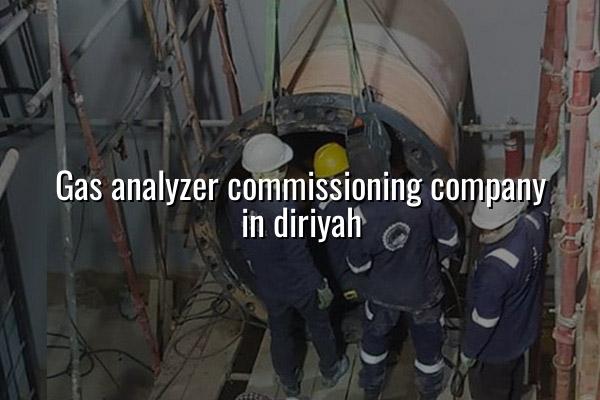
Gas analyzer commissioning company in Diriyah is the kind of search people make when a project is close to startup and nobody wants a bad reading on day one. We help you bring process gas analyzers into service with the checks, calibration support, and field verification needed for clean handover.
In Diriyah and the wider Riyadh industrial belt, that usually means working around tight shutdown windows, site permits, and handover documents that have to satisfy QA, maintenance, and operations teams. We support Saudi sites with onsite work, mobile-lab capability, and the discipline expected in oil & gas, utilities, manufacturing, and support facilities that depend on stable analyzer data.
Gas analyzer commissioning company in Diriyah: what good commissioning really covers
Good gas analyzer commissioning is not just switching equipment on and watching a number appear. It starts earlier, with installation review, sample line inspection, power and instrument air checks, signal verification, and a proper comparison between the analyzer output and the process requirement. In our experience, the sites that avoid repeat visits are the ones that treat commissioning as a controlled sequence, not a rush job before startup.
What we check before live process use
We look at the analyzer cabinet, sample conditioning arrangement, tubing, filters, drains, purge setup, loop wiring, and the status of any transmitter or interface signal tied back to the control system. If the equipment is part of a CEMS package, flare gas line, refinery utility system, or treatment plant skid, we also pay attention to the operating range and the site’s acceptance records. That matters in Saudi projects where the turnover file has to make sense months later, not just on the day the team signs it.
Why calibration support and field verification go together
Most gas analyzers do not fail because the core sensor is weak. The problem is usually upstream: poor sampling, drift, condensation, dirty lines, or a mismatch between expected gas composition and actual site conditions. We use calibration support, verification checks, and practical field adjustments to help you separate instrument issues from process issues, which saves time during commissioning and reduces arguments between vendors, EPC teams, and operations staff.
- Review the installation — confirm the analyzer, sample system, and cabling match the approved drawing set.
- Check utilities first — verify power quality, instrument air, purge gas, and any cooling or heating requirement.
- Validate the sample path — inspect filters, flow, leaks, drains, and the condition of tubing and fittings.
- Run functional tests — check outputs, alarms, interlocks, and signal transfer to the control room or PLC.
- Document the handover — record readings, observations, and any corrective action before the unit enters service.
- Useful for refinery, utility, and packaged process systems in Diriyah and Riyadh.
- Helps catch sample conditioning faults before the analyzer is blamed.
- Supports loop checks, alarm checks, and final turnover documentation.
- Fits projects that need onsite work instead of pulling instruments off site.
- Keeps commissioning aligned with ISO/IEC 17025:2017 traceability where calibration evidence is needed.
Typical gas analyzer commissioning checkpoints for Saudi industrial sites
| Checkpoint | What we verify | Why it matters |
|---|---|---|
| Installation review | Mounting, cabling, tubing, cabinet condition, and tag match | Stops basic setup errors from becoming startup delays |
| Sample system | Flow, leaks, drains, filters, conditioning, and contamination risk | Bad sample quality gives bad readings, even with a good analyzer |
| Electrical and signals | Power, grounding, output signal, alarm points, and PLC interface | Proves the analyzer speaks correctly to the control system |
| Verification and handover | Calibration support, functional checks, and recorded results | Leaves a clear trail for QA, maintenance, and operations |
What makes analyzer startup smoother on live plants?
Smooth analyzer startup usually comes from basic discipline. The sample system needs to be clean and stable, the calibration gas arrangement has to be correct, and the technician on site needs to know the difference between a sensor fault and a flow problem. On Saudi projects, that discipline helps because the same skid may be tied to a process safety function, an emissions monitor, or a quality-control point that operations cannot guess their way through.
Practical issues we see again and again
Condensation in sample lines, wrong tubing routes, loose ferrules, unstable supply pressure, and poor grounding are the problems that show up most often. They are ordinary faults, but they create very real trouble when the plant is waiting on final acceptance. Our team handles these checks with a methodical approach, and we keep the language plain so your operations people can act on the findings without a long debate.
Field work that fits real shutdown windows
We work with maintenance teams, project engineers, and QA staff who need visible results, not vague promises. If your analyzer package is part of a larger commissioning scope, we can support related electrical testing, instrumentation checks, calibration services, and mechanical work so the handover stays organized.
When Diriyah projects call for more than a basic checklist
Analyzer rooms and skids
Some sites need help with multiple analyzers, local gas panels, and interface points to PLC or DCS systems. That is common on larger facilities where one bad loop can hold up the whole turnover package.
Calibration evidence
If the client asks for traceable support, we keep the work aligned with ISO/IEC 17025:2017 practice and the records needed for review. That matters to plants that have internal QA or audit checks before startup approval.
Cross-discipline support
Commissioning often overlaps with electrical testing, mechanical fit-up, and site inspection. Our team can stay with the job instead of handing it over to three different vendors.
How Mayon Industrial Services Can Help
We support analyzer commissioning with onsite calibration services, electrical testing, mechanical checks, and practical field verification, so you can hand over a system that behaves the way the process team expects. If your scope in Diriyah also touches related instruments, sample systems, or lab equipment, we can handle the wider package without losing track of the details.
Call +91 99447 80844 (India) or +966 59 633 8012 (Saudi Arabia), email services@mayonservices.com, or message us on WhatsApp.
Frequently Asked Questions
We do that for sites that need a practical commissioning team, not just a certificate. The work usually includes installation review, sample system checks, signal verification, and support for startup handover. In Diriyah, that often means coordinating with site engineers and operations staff who need the analyzer ready for live service.
Normally we check the analyzer installation, sample conditioning, tubing, flow, alarms, outputs, and the link to the control system. If the project needs calibration support, we can add that into the scope. The aim is to prove the analyzer is reading correctly and that the whole chain is ready for service.
Yes, onsite work is usually the right answer for analyzer packages because the sample system and process interface need to be checked where the equipment sits. That saves time and gives you a result based on real site conditions, not a bench-only test. It also helps when the analyzer is part of a larger startup sequence.
Yes, and that is a common call. Unstable readings often come from sample line issues, condensation, contamination, or a supply problem rather than the analyzer itself. We check the full setup so you get a clear reason for the problem and a practical path to fix it.
We see the need most often in oil & gas, petrochemical, power, water, and manufacturing sites. Cold-chain and process support facilities can need it too if gas monitoring is tied to product quality or safety. The exact setup changes, but the same discipline applies.
We do. That combination is useful when the analyzer package has related instruments, electrical interfaces, or mechanical items that need attention before turnover. It keeps one team responsible for the job instead of making you coordinate several vendors for one startup window.
Ready to get your gas analyzer ready for service?
If you need a commissioning team that understands field conditions, documentation, and industrial handover in Saudi Arabia, we’re ready to help.
Contact Mayon