
Gas Analyzer Commissioning Company in Khurais
Field commissioning support for gas analyzers used in Khurais operations, with practical checks that help teams start up cleanly.
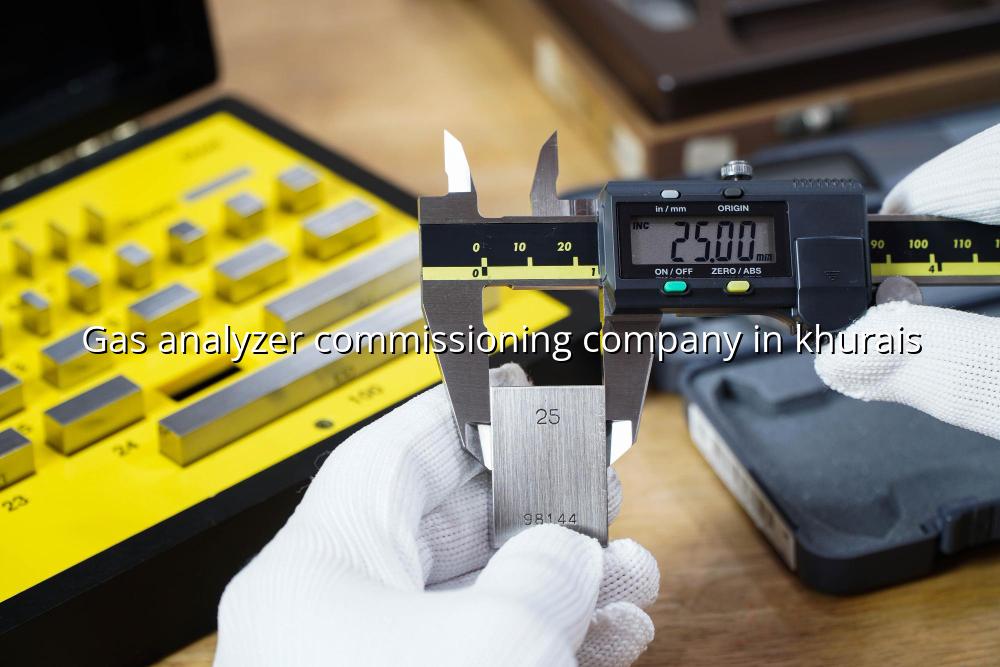
Gas analyzer commissioning company in Khurais projects need more than a vendor who can show up with a checklist. You need a team that understands start-up pressure, instrument loops, sample handling, and the way a small drift can upset an entire process train.
We work with industrial teams across Saudi Arabia and the wider Middle East, including oil and gas sites where analyzer reliability matters from day one. Our focus is practical: verify the installation, check the signal path, confirm the calibration condition, and help you hand over equipment that behaves the way the process expects.
What a gas analyzer commissioning company in Khurais should cover
Good commissioning starts before the first reading. On a Khurais site, that usually means checking mechanical installation, electrical terminations, sample conditioning, purge arrangements, and the analyzer cabinet environment so the system can hold stable readings once the process starts flowing. For operations teams, that reduces the common back-and-forth between maintenance, instrumentation, and production during start-up.
Where commissioning problems usually begin
In our experience, the issue is rarely the analyzer alone. Bad tubing runs, wrong sample flow, contamination, loose fittings, or an unverified transmitter output can all look like an analyzer fault. We treat the system as one chain, then test each link until the reading makes sense and stays repeatable.
How we approach field verification
We check the analyzer against the actual site conditions, not just a bench condition. That means verifying zero and span response where applicable, confirming alarms and interlocks, and checking that the output to the control system matches the instrument behavior. If the project needs traceable calibration support, we can align that work with our ISO/IEC 17025:2017 lab capability and field methods.
- Review the documents first — we check loop drawings, datasheets, hook-up details, and site tags before touching the unit.
- Inspect the installation — tubing, fittings, cabinet layout, power supply, earthing, and sample path get verified on site.
- Confirm analyzer response — zero, span, output scaling, alarms, and signal stability are checked under working conditions.
- Close out the handover — we record findings, note any open items, and support the team until the system is ready for service.
- Useful for process plants that want a clean start-up without avoidable analyzer trips.
- Helps maintenance teams catch sample conditioning issues before they affect production data.
- Supports commissioning for gas analyzers used in oil, gas, petrochemical, and utility service.
- Fits sites that need traceable support, proper documentation, and clear interface handling.
Typical gas analyzer commissioning checks at a Khurais site
| Check point | What we verify | Why it matters |
|---|---|---|
| Installation condition | Mounting, access, tubing, cabinet state, and environmental suitability | Prevents unstable readings and avoids repeated field rework |
| Electrical integrity | Power supply, grounding, signal wiring, and loop continuity | Reduces false alarms and communication faults |
| Sample path | Flow direction, contamination risk, purge arrangement, and leaks | Keeps the analyzer seeing the right process sample |
| Functional response | Zero, span, output scaling, alarms, and interlocks | Confirms the instrument is ready for operations handover |
Why commissioning discipline matters for analyzer reliability
Analzers used in oil and gas service often sit at the edge of process control, safety, and quality reporting. If the commissioning step is rushed, the site can end up chasing drift, nuisance alarms, or inconsistent trends just when operations need stable data most. That is especially true on large Saudi projects where multiple contractors may hand over different parts of the system.
Traceability and site confidence
We keep the work grounded in documented checks and real-world behavior. Where calibration records are needed, we support ISO/IEC 17025:2017 expectations through our controlled laboratory setup, mobile calibration lab, and pickup and delivery for instruments that need special handling. For the customer, that means fewer disputes during handover and a clearer path from installation to operating condition.
Built for live industrial environments
We regularly support teams that need analyzer commissioning alongside mechanical, electrical, and calibration work. That matters when the plant wants one responsible team instead of multiple contractors pointing at one another.
When teams call us for gas analyzer commissioning in Khurais
New installation handover
A new analyzer package is on site, but the loop still needs verification before process start-up. We help check the installation details and confirm the instrument behaves properly in the field.
Recommissioning after shutdown
After maintenance or a long outage, analyzer performance can change quietly. We look for sample path issues, wiring problems, and output mismatch before the unit goes back into service.
Project close-out support
Owners often want cleaner documentation before final acceptance. We support the close-out phase with clear observations, check results, and practical follow-up for the site team.
How Mayon Industrial Services Can Help
We support gas analyzer commissioning with the same discipline we use in calibration, electrical testing, and field engineering. If your Khurais project needs a clean handover, we can help with loop checks, verification, calibration support, and the practical field work that keeps the analyzer stable after start-up. Our Saudi team works from Dammam Industrial City 2, and we also support regional industrial clients across India and the Middle East.
Call +91 99447 80844 (India) or +966 59 633 8012 (Saudi Arabia), email services@mayonservices.com, or message us on WhatsApp.
Frequently Asked Questions
We verify that the analyzer is installed correctly, wired correctly, and responding the way the process needs. That includes checking the sample path, control signals, alarms, and the handover documents so the operations team is not left guessing after start-up.
Yes. We support Saudi industrial projects, including oil and gas and petrochemical work, from our Dammam Industrial City 2 base. The focus is field commissioning support that fits live site conditions and the expectations of the owner’s team.
Yes, and that is a common case. We often step in after installation to check what has been done, identify missing items, and help the site team bring the analyzer to a usable condition without starting from scratch.
We do. Our calibration capability covers ISO/IEC 17025:2017 compliant work, and we can support instruments that need controlled-lab handling, mobile lab work, or pickup and delivery. That helps when the analyzer package depends on verified instrumentation around it.
Start with the installation, sample path, and signal loop. A lot of issues that look like a bad analyzer are actually tubing leaks, poor conditioning, wiring faults, or incorrect scaling. We check the full chain so you can separate process problems from instrument faults.
Ready to get the analyzer ready for handover?
If your Khurais project needs a commissioning partner who understands field conditions, sample handling, and traceable support, talk to our team today.
Contact Mayon