
Gas Analyzer Commissioning Company in Red Sea
Commissioning support for process gas analyzers, sample systems and analyzer shelters across Red Sea industrial projects.
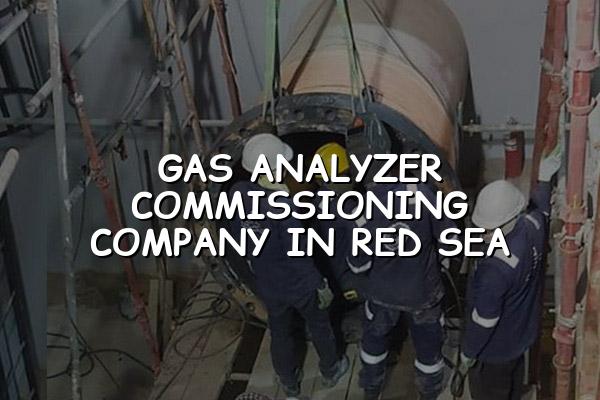
Gas analyzer commissioning company in Red Sea work starts with one simple goal: make sure the analyzer reads right before the plant depends on it. If your project team is handling a refinery, petrochemical package, power unit or marine terminal near the Red Sea corridor, you need checked signals, stable sample conditioning and a clean handover.
At Mayon Industrial Services, we support commissioning teams that want the analyzer system to behave properly from day one. We work across Saudi Arabia and the wider Middle East, and we understand the pressure that comes with bringing up process instrumentation on tight project schedules, especially when safety, emissions or product quality depend on the final readings.
What a Gas Analyzer Commissioning Company in Red Sea Should Verify
For gas analyzers, commissioning is never just a power-on check. You need the analyzer, sample system, tubing, valves, conditioning unit, shelter environment and control signals to work as one chain. If one part is off, the reading can drift, alarms can misbehave, and the operations team ends up chasing a fault that was there from startup.
Sample system checks that save trouble later
We usually start with the sample path, because that is where many field problems begin. Flow stability, pressure regulation, moisture control and leak tightness all matter. On Red Sea projects, especially where ambient heat and salt-laden air are part of the day, poor conditioning can create unstable readings long before the analyzer itself is suspected.
Signals, interlocks and handover points
Once the sample side behaves, we move to signal checks, alarm logic and shutdown interfaces. The commissioning team needs confidence that the analyzer output matches the DCS or PLC configuration, that the tags are correct, and that the maintenance team understands the final setup. We also check the traceability of any calibration work, because that matters in ISO/IEC 17025:2017-controlled environments and in plants that need disciplined records.
- Review the package documents — confirm the analyzer type, ranges, sample line layout, I/O list and loop diagrams before touching the field equipment.
- Inspect the physical installation — check mounting, shelter conditions, cable entries, tubing support and access for maintenance.
- Test the sample path — verify flow, pressure, dryness, leak tightness and response through the full conditioning train.
- Validate signals and alarms — confirm outputs, alarm setpoints, shutdown links and control room indications.
- Record results and hand over clearly — leave the plant team with practical notes, not just a signed sheet.
- Confirm analyzer warm-up, zero and span stability before final acceptance.
- Check sample lines for leaks, incorrect tubing bends and poor support.
- Verify shelter ventilation and temperature control where analyzers sit outdoors.
- Match field tags with the control system so operations staff don’t inherit confusion.
- Keep calibration records tied to the instrument serial number and project documents.
Common Gas Analyzer Commissioning Checks by System Area
| System Area | What We Check | Why It Matters |
|---|---|---|
| Sample take-off | Line routing, fittings, isolation valves and leak points | Stops false readings caused by ingress or pressure loss |
| Conditioning train | Filters, regulators, coolers, dryers and flow control | Keeps sample quality stable before it reaches the analyzer |
| Analyzer cabinet or shelter | Ventilation, temperature, access and cleanliness | Protects electronics and helps maintain repeatable performance |
| Signals and control | Analog outputs, alarms, interlocks and DCS/PLC tags | Ensures the control room gets the correct process status |
Why Red Sea Projects Need Tight Commissioning Control
Red Sea industrial sites often face long operating hours, heat, dust and demanding uptime targets. In our experience, those conditions expose weak sample systems very quickly. If an analyzer shelter runs hot, a line is routed badly, or a filter is already loading up, the startup team sees the problem early. That is a good thing, because it gives you a chance to fix it before production leans on the instrument.
What plant teams usually ask for
Most engineers who call us want one of three things: startup verification, fault finding on an analyzer that will not stabilize, or a careful handover after mechanical completion. We can support new installations, revamp packages and brownfield tie-ins where the analyzer has to be brought back into service with minimal disruption. The same discipline applies whether the site is in a Saudi industrial city, a port facility or a Middle East process plant near the coast.
Practical commissioning, not desk-only signoff
We focus on what the plant will actually use: correct readings, stable signals, traceable checks and a clean transfer to operations. When the analyzer starts behaving the way the process expects, the whole plant team breathes easier.
How Commissioning Supports Analyzer Accuracy After Startup
Commissioning does more than prove that an analyzer powers up. It sets the baseline for later maintenance. If the zero, span and alarm behavior are captured properly during startup, future troubleshooting becomes far easier. The technician can compare against a known condition instead of guessing where the drift began.
That matters on gas quality skids, emissions packages and safety-related applications where the process cannot tolerate loose checks. It also matters to procurement and QA teams, because a disciplined handover reduces repeat visits and keeps the project record readable long after the commissioning crew has left site.
We also pay attention to the basics people skip when they are rushing: tubing labels, isolation valve positions, calibration gas handling and the final status of bypass arrangements. Those little items can save hours later. A clean commissioning file, a sensible mark-up and a physically sound installation make future service work much easier.
For sites that already use ISO/IEC 17025:2017-controlled calibration practices, this discipline fits naturally into the way records are kept and equipment is handed over. For other plants, it still helps because it creates a practical benchmark the maintenance team can trust.
How Mayon Industrial Services Can Help
We support gas analyzer commissioning with the same practical mindset we bring to calibration, inspection, electrical testing and mechanical service work. If your Red Sea project needs analyzer startup support, loop verification, shelter checks or a careful handover, our team can step in with onsite experience and a clear method. We also work alongside QA, maintenance and project teams that need traceable records and a steady hand on commissioning day.
Call +91 99447 80844 (India) or +966 59 633 8012 (Saudi Arabia), email services@mayonservices.com, or message us on WhatsApp.
Frequently Asked Questions
We check that the analyzer system is ready to operate, not just powered on. That means sample conditioning, tubing integrity, signal checks, alarms and the final handover to the control team. On process sites, that practical verification is what keeps startup issues from turning into production problems.
Yes. We support projects across Saudi Arabia, including industrial work tied to the Red Sea side of the country. The conditions there can be hard on sample systems and shelters, so we pay close attention to temperature, flow stability and the final control signals.
We work across a wider industrial scope, including calibration, inspection, electrical testing and mechanical services. For analyzer-related jobs, we focus on the commissioning tasks that affect real-world performance, and we can coordinate with other site disciplines where needed.
You want stable flow, no visible leaks, correct pressure control and a conditioning train that is actually doing its job. If the line is wet, restricted or poorly supported, the analyzer may never settle properly. We check those basics early so the commissioning team isn’t guessing later.
Yes, we can help keep the commissioning record clear and usable. That includes the practical checks, observed faults and the final status at handover, so the operations and maintenance teams have a clean reference point after startup.
Ready to get your analyzer system started properly?
If you need a steady commissioning partner for Red Sea projects, talk to us and we’ll help you get the basics right before the plant depends on the numbers.
Contact MayonA good analyzer startup saves time, avoids confusion and gives the operations team numbers they can trust. If you're looking for a gas analyzer commissioning company in Red Sea projects, Mayon Industrial Services is ready to help with field-tested support and clear records.