
Gas Analyzer Commissioning Company in Riyadh
Site commissioning, testing and handover support for gas analyzers used in Riyadh plants, utilities and process facilities.
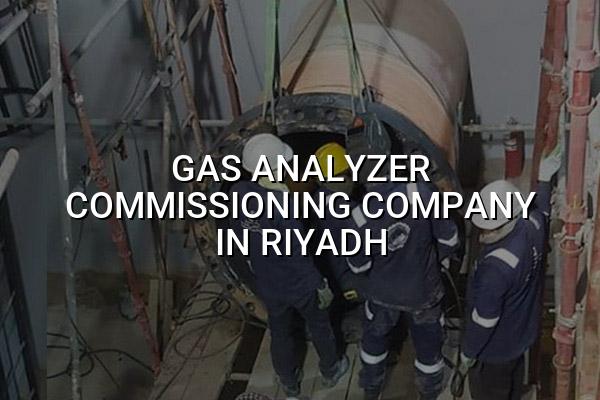
Gas analyzer commissioning company in Riyadh is the service people ask for when a new detector, fixed analyzer or sample system has to be ready before startup. You want the instrument wired correctly, checked against the process duty and proven on site before the plant starts relying on it.
We help teams in Riyadh and across Saudi Arabia with practical commissioning support for industrial gas detection and analysis equipment. That usually means site inspection, functional testing, calibration checks, loop verification and clear handover records that fit the expectations of process, safety and maintenance teams.
What gas analyzer commissioning in Riyadh should cover
For a refinery, utility plant, petrochemical unit or industrial gas system in Riyadh, commissioning is never just a power-up. The analyzer has to be matched to the application, sample conditions, alarm logic and control philosophy, and the work needs to be traceable so the maintenance team can trust the readings after startup. That is where a methodical gas analyzer commissioning company in Riyadh makes a real difference.
First checks on site
We usually begin with the basics that get skipped when schedules are tight. The enclosure, sample tubing, purge arrangements, mounting, cabling, supply voltage and signal wiring all need to be checked against the approved drawings. If the system includes gas detection, the alarm setpoints and trip outputs must be tested in the same condition the plant will use on day one.
Testing before handover
The next layer is functional proof. We verify sensor response, confirm flow and sample integrity where relevant, check zero and span behavior if the device design supports it, and compare the analyzer output with the expected process range. In Riyadh, where many sites run hot, dusty and time-sensitive operations, this step matters because even a small installation error can cause unstable readings or nuisance alarms.
- Review the application — we confirm the gas, range, duty, alarm levels and integration points before work starts.
- Inspect the installation — the analyzer, sample system, cabling and mounting are checked against drawings and site conditions.
- Run functional tests — inputs, outputs, alarms, interlocks and response behavior are verified on site.
- Record the handover — results, observations and any corrective actions are documented for the operations team.
- Use commissioning records that show what was checked, by whom and on which unit.
- Confirm the analyzer matches the gas type and range before startup.
- Verify alarm, shutdown and panel indications under the real site logic.
- Keep spare parts, calibration points and maintenance notes ready for the plant team.
Typical commissioning checkpoints for analyzer systems
| Checkpoint | What we verify | Why it matters |
|---|---|---|
| Installation review | Mounting, tubing, cabling, labeling and access | Prevents setup errors before the unit is energized |
| Signal verification | Inputs, outputs, alarms and integration signals | Confirms the analyzer talks to the control system correctly |
| Functional response | Zero, span or sensor response as applicable | Shows the unit reacts properly to expected gas conditions |
| Handover documents | Test results, observations and corrective actions | Gives operations a clear reference for later maintenance |
Why Riyadh plants ask for traceable commissioning
In Saudi industrial sites, a gas analyzer is often tied to safety decisions, environmental monitoring or process control. That means commissioning cannot be handled as a quick electrical check. It needs the discipline of an ISO/IEC 17025:2017-minded approach, with repeatable checks and results that support the plant record.
Where problems usually start
Most issues we find are simple but costly. Sample lines get routed poorly, purge needs are ignored, alarm delays are left unconfirmed, or the analyzer is installed in a position that makes maintenance awkward. Once the unit is in service, those small issues turn into recurring faults, bad readings or unnecessary shutdowns. A careful commissioning visit catches them early.
Built for plant conditions
We work around the way industrial sites actually run. That means coordination with shutdown windows, permit systems, area access rules and the practical constraints you see in oil & gas, petrochemical, power, manufacturing and cold-chain projects across Riyadh and the wider GCC.
How the commissioning visit usually runs
We start by confirming the equipment list and site objective. After that, the technician checks the analyzer installation, verifies any sample conditioning hardware, tests the signals and reviews the first readings with the site engineer. If a loop or output is not behaving as expected, we isolate the cause before handover so you are not left guessing later.
That approach works well for new projects and for retrofit work on existing assets. In Riyadh, where many plants depend on reliable operation through long duty cycles, the value is in getting the analyzer stable before the process team depends on it. You want fewer surprises after startup, not more paperwork.
How Mayon Industrial Services Can Help
Our team supports analyzer commissioning with the same practical mindset we use for calibration, electrical testing, inspection and commissioning work. If your project in Riyadh needs site verification, handover records, testing support or help aligning analyzer checks with plant requirements, we can step in with the right field experience. We also work across Saudi Arabia and the Middle East through our industrial service setup, so you can keep one dependable contact for related work.
Call +91 99447 80844 (India) or +966 59 633 8012 (Saudi Arabia), email services@mayonservices.com, or message us on WhatsApp.
Frequently Asked Questions
Yes, the work is usually handled by a field team that understands instrument installation, analyzer behavior and plant safety rules. For Riyadh sites, that means someone who can check the equipment on location, test the signals and document the result in a way your operations team can use.
We normally check mounting, wiring, sample lines, alarm logic, signal outputs and the analyzer response itself. If the unit feeds a shutdown or control loop, we verify that integration too. The goal is to confirm the system works the way the plant expects before it goes into service.
We can, and that is often the best time to catch problems. Once the unit is installed, we can inspect the setup, confirm the interface to the panel or control system and help the site team finish the handover properly. That is especially useful on tight project schedules in industrial zones around Riyadh.
Yes, we do. Many clients keep commissioning, calibration and maintenance under one service partner because it makes recordkeeping easier and reduces confusion between teams. We can also support related work like electrical testing, inspection and repair when the site needs it.
Yes, onsite work is part of how we operate in Saudi Arabia. It is usually the right choice for analyzer systems, because the final checks need to happen where the equipment is installed and connected to the plant. That is the cleanest way to confirm the real operating condition.
Ready to get your analyzer checked before startup?
If you need a steady, practical commissioning partner in Riyadh, we’re ready to help you close out the job properly and hand it over with confidence.
Contact Mayon