
Gas Analyzer Commissioning Company in Saudi Arabia
Commissioning support that helps your gas analyzers read correctly before start-up, shutdown, or handover.
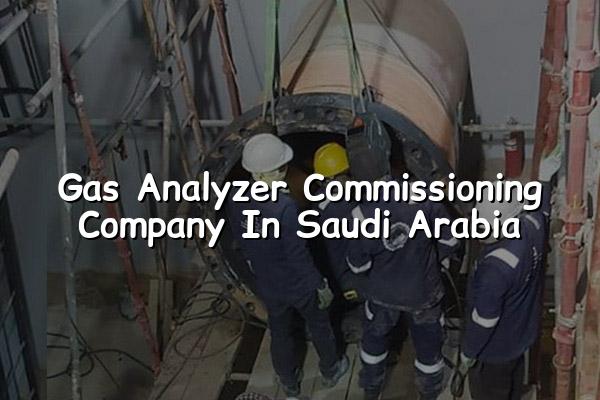
Gas analyzer commissioning company in Saudi Arabia is a search term we hear from plant teams who need the analyzer right before startup, not after a process upset. If your site is in Dammam Industrial City 2, Jubail, Yanbu, Ras Al Khair, or another Saudi industrial zone, you need readings you can trust before you hand the unit over.
Our team works with refinery, petrochemical, power, and gas-processing clients across Saudi Arabia and the wider GCC. We focus on the practical side: loop checks, sample line checks, calibration verification, functional testing, and a clean handover that your operations team can live with.
Gas Analyzer Commissioning Company in Saudi Arabia for Plant Start-Up
Gas analyzers are unforgiving. If the sample conditioning package is wrong, the calibration gas is off, or the transmitter logic doesn't match the control room expectation, the reading can drift long before anyone notices. During commissioning, we check the whole chain, not just the instrument body. That means the analyzer, sample extraction point, tubing, regulators, power supply, signal output, and interlocks all need to behave the way the process designer intended.
What we check before first live reading
We start with the documentation, then move on to the physical installation. On Saudi projects, that usually means a live site walkdown with maintenance, E&I, and operations teams, because a clean P&ID is one thing and an installed skid in a hot process area is another. We verify model tags, installation orientation, utility availability, purge arrangements, and access for routine maintenance. If the analyzer is part of a CEMS or safety-related package, we treat the functional checks with extra care.
Why commissioning is different from routine calibration
Calibration tells you the analyzer response against a known reference. Commissioning asks a bigger question: will the unit perform safely and consistently in the process it was built for? In our experience, the problems that cause repeat calls are often mechanical or wiring related, not electronic. A blocked sample line, unstable gas supply, loose fitting, or bad routing can ruin an otherwise good analyzer.
- Site review and document check — we compare the installed analyzer against the datasheets, loop drawings, and vendor instructions before power-up.
- Mechanical and utility inspection — we confirm sample lines, regulators, drains, vents, instrument air, and electrical supply are ready for service.
- Functional and signal testing — we test alarms, outputs, relay logic, and communication with the control system so the readings show correctly in the DCS or PLC.
- Calibration and baseline verification — we check the response using suitable standards and record the baseline so your team has a clear reference after handover.
- Handover support — we explain what was checked, what was corrected, and what your operators should watch during the first operating cycle.
- Confirm the analyzer tag and process location before any gas is introduced.
- Keep calibration gas cylinders, regulators, and fittings matched to the analyzer range.
- Check sample line slope, drain points, and moisture traps before start-up.
- Verify analog and digital outputs at the control system, not only at the instrument panel.
- Record the baseline values for the maintenance file on day one.
Typical Gas Analyzer Commissioning Checks and Why They Matter
| Check | What We Look For | Why It Matters |
|---|---|---|
| Sample line integrity | Leaks, blockage, wrong routing, poor drainage | Keeps the analyzer response stable and representative |
| Power and signal wiring | Correct termination, grounding, output scaling | Prevents false readings in the DCS or local display |
| Calibration verification | Reference gas suitability, response trend, zero/span behavior | Shows whether the analyzer is ready for live operation |
| Alarm and interlock test | Trip logic, warning levels, fail-safe action | Supports safe process operation during abnormal conditions |
| Handover record | Baseline readings, corrective actions, test results | Gives maintenance teams a traceable starting point |
What Good Commissioning Looks Like in the Field
Good commissioning leaves the site calmer, not busier. The analyzer should be stable, the operator should know the normal reading, and the maintenance team should have a clean report to file. On Saudi oil and gas projects, that usually means working around plant permits, area access rules, and startup pressure without cutting corners on testing.
Common trouble spots we find
Loose impulse tubing, contaminated sample points, mismatched transmitter ranges, and poor purge arrangements show up often. We also see control rooms that read correctly on one screen but not another, which usually means the signal scaling or integration needs a second look. Those are small faults on paper. In operation, they become long nights.
Built for plant conditions, not lab conditions
Our commissioning work is shaped by real sites in Dammam, Jubail, and other industrial zones where heat, dust, vibration, and shutdown pressure can all affect analyzer performance. We aim for an installation that the operations team can trust after handover, with the records to back it up.
How the Commissioning Process Usually Moves
Every analyzer package is a little different, but the flow is familiar. We usually begin with the vendor data, then move into site verification, then functional checks, and then the final baseline confirmation. If a problem appears, we stop and correct it before handing the system back. That's the part people remember later.
Where we spend the most time
The most time usually goes into sample conditioning and signal validation. That may sound dull, but it's where most analyzer complaints start. A small issue in the sample path can make the unit look unreliable, even when the sensing element is fine. Once the path is clean and the signal is true, the rest of the process is easier for everyone.
- Review vendor manuals, site drawings, and tag numbers together.
- Verify zero and span points with traceable references where applicable.
- Confirm the analyzer is reading steadily under real site conditions.
- Capture the final baseline for your commissioning dossier.
How Mayon Industrial Services Can Help
We support gas analyzer commissioning alongside our calibration, electrical testing, inspection, mechanical services, and commissioning work. If your project needs an analyzer brought into service with proper checks, we can handle the practical field work and the documentation that follows. We also work with Saudi clients through our Dammam Industrial City 2 base, which helps when the schedule is tight and the site team wants one coordinated partner.
Call +91 99447 80844 (India) or +966 59 633 8012 (Saudi Arabia), email services@mayonservices.com, or message us on WhatsApp.
Frequently Asked Questions
We check the analyzer from the process connection to the output signal. That includes sample lines, power, wiring, alarms, and the reading in the control system. The goal is simple: make sure the instrument is ready for live operation before the plant depends on it.
Yes, we work with refinery, petrochemical, gas processing, power, and industrial utility sites. Those jobs usually need careful permit control, proper loop testing, and a clean handover file for operations and maintenance teams.
Yes — that usually points to signal scaling, wiring, communication setup, or a control system mapping issue. We check the output at both ends so you know whether the fault sits in the analyzer package or in the integration work.
Because the analyzer can only measure what reaches it. A blocked line, wrong slope, moisture, or a poor drain arrangement can change the sample before it ever reaches the sensing cell. We see that often on startup, especially where the process side changes during commissioning.
Yes, we support clients in India and across the Middle East as part of our industrial services work. For Saudi projects, our Dammam Industrial City 2 presence helps us stay close to plant locations and startup schedules.
Need Your Analyzer Ready for Start-Up?
If the reading matters to production, safety, or compliance, bring in a team that treats commissioning as a field job, not a paperwork exercise.
Contact Mayon