
Gas Detector Calibration Company in Hafar Al Batin
Traceable gas detector checks for plant safety, shutdown planning, and site compliance in Hafar Al Batin and across Saudi Arabia.
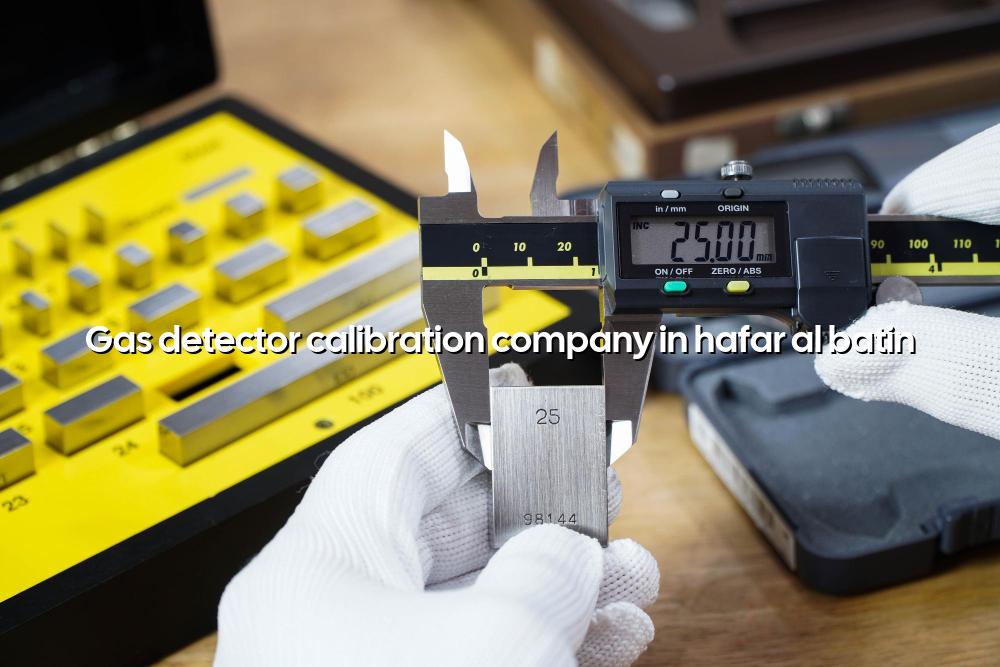
Gas detector calibration company in Hafar Al Batin support matters when your team depends on alarms to catch a leak before it becomes a shutdown, an evacuation, or a permit issue. We help you keep portable and fixed detection devices aligned with the readings your safety team expects, so the instrument data is useful on site instead of just sitting in a logbook.
At Mayon Industrial Services, we work with industrial clients across Saudi Arabia from Dammam Industrial City 2 and support projects in Hafar Al Batin with the same traceable approach we use in our ISO/IEC 17025:2017 environment. That matters in oil & gas, petrochemical, power and maintenance work, where a drifting sensor can lead to bad decisions fast.
Gas Detector Calibration Company in Hafar Al Batin for Industrial Sites
Most teams call for gas detector calibration after an alarm starts behaving oddly, a pre-shift check fails, or a maintenance contractor asks for current certificates before entering a confined space. We handle that practical side of the job, with calibration checks for common gas detection instruments used around hydrocarbons, oxygen monitoring, toxic gas watch, and area safety programmes. The real goal is simple: make sure the detector reacts the way your people think it will.
What we check during a calibration visit
We look at the device response, sensor condition, alarm behaviour, and the basic integrity of the instrument before releasing it back for service. For many sites, the bigger issue is not the number on the certificate; it's whether the detector is still dependable after heat, dust, transport, battery wear, or repeated exposure to the same gas. If a unit needs special handling, our temperature-controlled lab and pick-up and delivery arrangement give you a safer path than rushing it through ordinary handling.
Why Hafar Al Batin sites ask for a traceable partner
Hafar Al Batin sits in a working industrial corridor where shutdown planning, tanker loading, maintenance access and confined-space controls all need clean paperwork. Saudi clients often want the same thing our Indian customers want: clear traceability, service records that make sense, and a team that can mobilize without making the process complicated. We keep the conversation technical, not theatrical.
- Start with identification — we record the make, model, sensor type and serial number, then confirm how the unit is used on your site.
- Check the condition — we inspect the housing, display, battery, alarm function and visible signs of contamination or wear.
- Verify response — we compare the detector against suitable reference gas or test conditions to see how it reacts.
- Document the result — you receive the status needed for maintenance files, audits and internal control.
- Supports portable, fixed and area gas detection programs used in plant safety routines.
- Helps maintenance teams avoid relying on sensors that have drifted beyond normal use.
- Fits shutdowns, turnaround work, confined-space entry and pre-commissioning checks.
- Works well when a site needs clear records for ISO/IEC 17025:2017-aligned control.
Typical Gas Detector Checks and Site Use Cases
| Detector Type | Common Use | Typical Focus During Service |
|---|---|---|
| Portable multi-gas detector | Permit work, confined space entry, daily carry use | Sensor response, alarms, battery health, bump and calibration status |
| Fixed area detector | Process units, loading areas, compressor rooms | Signal stability, alarm setpoints, field condition and enclosure integrity |
| Oxygen monitor | Enclosed spaces, tanks, pits, utility rooms | Zero point, response check, contamination and display reliability |
| Toxic gas detector | Hydrocarbon and chemical handling zones | Target gas response, cross-sensitivity concerns and functional alarm test |
Why calibration records matter more than a sticker
A sticker helps, but it doesn't tell your supervisor much by itself. Records do. When a detector is used in Saudi industrial sites, especially around gas handling, fabrication yards or power facilities, the people reviewing it want traceable information that links the instrument to a real service event. That is where an ISO/IEC 17025:2017-aligned process carries weight, because it gives your QA and HSE teams a clear path from instrument to report.
What your team gains from clean documentation
Good records make re-entry planning easier, support internal inspection schedules, and reduce arguments over who last checked the detector. They also help when different crews use the same equipment across shifts. In our experience, that is where confusion usually starts. One team assumes the unit was checked yesterday; another team sees last month's label and is not sure.
Built for working plants, not showroom instruments
We support customers who need practical service for detectors used in oil & gas, petrochemical, power, construction and maintenance work. If an instrument is too sensitive for rough handling, our mobile calibration lab and controlled in-house setup give you options that fit the device, not the other way around.
How We Handle Gas Detector Calibration for Hafar Al Batin Customers
The service path usually starts with a call, a list of instruments, and a quick discussion about where the detectors are used. From there, we arrange the most suitable method, onsite calibration where the environment allows it, or lab handling when the instrument needs controlled conditions. That choice matters because a detector used in a dusty utility yard may not need the same workflow as one taken from a clean room or controlled store.
For larger maintenance programs, we often see mixed equipment lists. Portable devices, fixed heads, and accessories all arrive together. A good service partner keeps them organized, checks what can be verified immediately, and flags anything that needs follow-up. That saves your team from repeating work and gives your maintenance planner a cleaner picture of what is ready for use.
We also keep region context in mind. Saudi clients often work to plant schedules, not office schedules, and teams in Hafar Al Batin may need support around shutdown windows, project handover or contractor mobilization. Our Saudi presence through SMC Engineering Services / Sixfaces Maintenance Co helps us stay close to that reality.
- Onsite service is useful when detectors are installed across active plant areas.
- Lab service suits sensitive instruments, repeat checks and devices needing special care.
- Mobile calibration support keeps logistics lighter for projects and shutdowns.
- Pick-up and delivery can help when equipment needs controlled handling.
How Mayon Industrial Services Can Help
If you need a gas detector calibration company in Hafar Al Batin, we can support the job with traceable calibration services, field-friendly handling, and practical advice from technicians who work with industrial instruments every day. Our team also supports condition monitoring, electrical testing and commissioning, mechanical services, inspection, orbital welding and lab setup, so you can keep more of your plant work with one dependable partner. If your detector program needs a better process, start with a call and we'll help you map it out.
Call +91 99447 80844 (India) or +966 59 633 8012 (Saudi Arabia), email services@mayonservices.com, or message us on WhatsApp.
Frequently Asked Questions
The interval depends on the detector type, manufacturer guidance and your site risk assessment. Many plants also use routine bump tests and pre-use checks between formal calibrations. We recommend keeping the schedule tied to your HSE procedure so the same standard is used by every shift.
Yes, onsite service is often the easiest option when the detectors are installed across an active plant or project site. We can also use our mobile calibration lab where that gives you a cleaner workflow. If a device needs special handling, we'll tell you that early.
We handle common portable and fixed gas detection instruments used for oxygen monitoring, toxic gas alerts and hydrocarbon safety. If your site uses mixed brands, send the list and we'll review what can be supported. The important part is that each unit is checked against the way it is actually used.
Yes, we provide documentation that supports maintenance files, QA checks and site audits. That's one reason many teams ask for an ISO/IEC 17025:2017-aligned supplier. It helps your records stay clear when more than one crew uses the same detector.
We most often see demand from oil & gas, petrochemical, power, construction and maintenance teams. Cold-chain and manufacturing sites also use gas detection in some areas where safety controls are strict. The common thread is simple: the detector has to be trusted before people enter the area.
Yes, for instruments that need special conditions, pick-up and delivery can be arranged. That helps when the device is sensitive, part of a larger tool set, or simply easier to move through controlled logistics. We try to keep it practical for your team.
Need your gas detector program checked properly?
Send the instrument list, site location and service need, and we'll help you choose the right path for Hafar Al Batin or any Saudi project area.
Contact Mayon