
Gas Detector Calibration Company in Taif
Traceable gas detector calibration for worksites, shutdowns and safety teams serving Taif and nearby industrial operations.
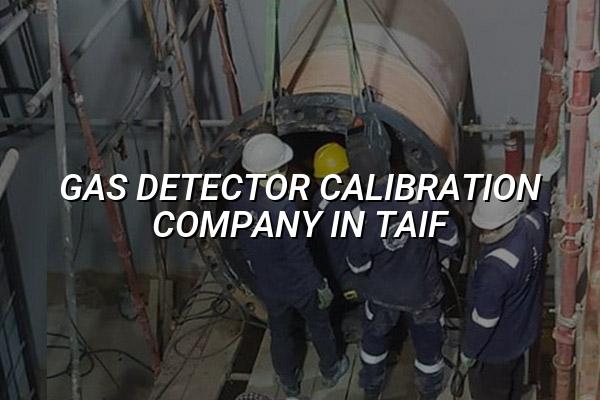
Gas detector calibration company in Taif teams call when they need readings they can trust on the shop floor, in shutdown work, or around confined spaces. If your portable or fixed gas units drift, the alarm points stop meaning what they should, and that creates real risk for permit-to-work and maintenance crews.
We help safety managers and maintenance leads keep gas detection stable with ISO/IEC 17025:2017 traceable calibration, functional checks and practical support for instruments used in Saudi industrial sites. Our work fits the conditions you deal with in Taif and the wider Kingdom: hot environments, demanding schedules, and equipment that has to be ready when the shift starts.
Why accurate gas detector calibration matters in Taif
Gas detectors are not just another inspection item. On refinery maintenance jobs, utility plant work, wastewater facilities, food plants and contractor shutdowns, they decide whether a team enters a space or stops and rechecks the area. A detector that reads a little high or low can change the decision at the wrong moment. That is why we treat gas detector calibration as a safety control, not a paperwork task.
What gets checked during calibration?
We look at zero response, span response, alarm behaviour, sensor condition and any visible issues that could affect performance before the unit goes back into service. For multi-gas detectors, the process usually covers oxygen, combustible gas and toxic gas channels as applicable, along with bump-test and functional verification where the job calls for it. If the instrument is used in a harsh maintenance area, we also pay attention to contamination, battery health and response stability.
Why Taif sites ask for traceability
Many Saudi clients now expect a clear calibration trail, especially where contractor control, HSE audits and shutdown documentation are involved. ISO/IEC 17025:2017 traceability helps you show that the measurement chain was controlled, not guessed. That matters to plant teams, EPC contractors and safety supervisors who need records that stand up during review.
- Receive and identify the instrument — we record the model, serial number, gas range and current condition before any test starts.
- Check the sensor response — we expose the detector to suitable reference conditions and compare the reading against expected behaviour.
- Adjust and verify — if adjustment is needed, we correct the unit and repeat the checks until the response is stable.
- Document the result — the calibration record shows the outcome, the condition of the instrument and the service trail your team can file with HSE documents.
- Keep gas detectors in a clean pouch or case after use; dust and residue often show up first in the sensor response.
- Schedule calibration after heavy shutdown work, not only by date, because exposure and rough handling can shift performance.
- Ask for a bump-test before each shift where your site procedure requires it, especially for confined-space entry.
- Separate detectors used in chemical areas from those used in general maintenance so contamination does not move from one job to another.
Typical gas detector checks by instrument type
| Instrument type | Common checks | Typical site use |
|---|---|---|
| Portable single-gas detector | Zero, alarm setpoint check, battery condition, sensor response | Confined-space entry and short-duration maintenance |
| Portable multi-gas detector | Multiple channel response, alarm test, pump and flow check where fitted | Shutdown work, tank entry, contractor safety control |
| Fixed gas detection unit | Sensor output, loop signal check, alarm logic, panel communication | Process areas, utility zones, equipment rooms |
| Calibration accessory or docking station | Gas delivery check, software function, connection integrity | Routine field verification and asset control |
How calibration supports audits and shutdown planning
When an HSE team asks for evidence, they usually want more than a sticker on the body of the detector. They want to know the unit was checked, the outcome was recorded, and the instrument was fit for the job it was assigned to. That is why we build our service around traceability, clear condition notes and practical reporting for maintenance files and audit packs.
Useful for busy industrial teams
Sites in petrochemical, power, construction and cold-chain operations often run mixed fleets of instruments from different vendors. A good calibration partner keeps the record structure consistent, so your technicians do not have to sort through different formats every time a report lands on their desk. It saves time during shutdowns, and it makes internal review easier too.
Built for real field conditions
Taif work sites can be dusty, busy and spread out. We’re set up to handle both in-house calibration and mobile support when onsite work makes more sense, so your detector fleet does not sit idle waiting for attention.
Onsite or in-house gas detector calibration
Some clients prefer onsite service because detectors are already distributed across active jobs. Others send instruments to us so the full batch can be checked with less disruption. We support both. If the equipment needs controlled handling or special conditions, our temperature-controlled laboratory and pick-up and delivery arrangement can help keep the process organised.
Our mobile calibration capability is useful for maintenance camps, construction compounds and industrial shutdown work where moving equipment offsite is inconvenient. That flexibility matters in Saudi Arabia, especially where project teams are working to tight permit windows and need the safety gear back in circulation without delay.
What your team should prepare before booking
When you arrange gas detector calibration, a little preparation makes the visit smoother. We usually ask teams to group instruments by type, note any fault messages, and separate units that have been exposed to abnormal conditions. If a detector has been dropped, flooded or contaminated, tell us before it arrives. That gives us the right starting point.
Simple preparation that helps
Make sure batteries are charged enough for testing, remove obvious contamination, and keep any docking stations or accessories with the detector if they are part of normal use. If your site has a permit-to-work system, it helps to keep the instrument log or asset list nearby so serial numbers can be matched quickly. Most delays we see come from missing IDs, not from the calibration itself.
- List the instruments — group by brand, gas type and asset number before the visit.
- Flag problem units — note error codes, contamination or damage so the technician can plan the check.
- Prepare accessories — bring chargers, docking stations, pumps or hoses that belong with the detector.
- Store the records — file the calibration report with your inspection and HSE documentation straight away.
- Keep an asset register so expired or missing detectors can be traced quickly.
- Clean the sensor inlet before sending the unit in for service.
- Separate fixed-system panels from portable devices in your request list.
- Tell us the gases you actually use on site, since the calibration setup depends on the detector type.
How Mayon Industrial Services Can Help
We support gas detector calibration with the same approach we use across our calibration, inspection and engineering work: traceable methods, careful handling and clear reporting. If your team in Taif needs portable detector checks, onsite support for shutdown work, or related electrical and mechanical services around the same job, we can help keep the whole package organised. If you’re planning a calibration batch or a field visit, get in touch and we’ll talk through the best option.
Call +91 99447 80844 (India) or +966 59 633 8012 (Saudi Arabia), email services@mayonservices.com, or message us on WhatsApp.
Frequently Asked Questions
Look for a company that can show traceable calibration practice, clear reporting and real experience with industrial safety equipment. For Taif sites, it also helps if the team can support Saudi projects and understand shutdown work, maintenance routines and permit-controlled environments. We work with portable and fixed gas detection equipment for exactly that kind of setting.
The interval depends on your site procedure, manufacturer guidance and how hard the detector is worked. In busy industrial use, many teams combine routine bump checks with scheduled calibration so the instrument stays trustworthy between service visits. If the detector has been exposed to contamination, impact or unstable readings, it should be checked sooner.
Yes, onsite service is part of how we work, especially where moving the fleet offsite would interrupt operations. Our mobile calibration lab helps with field work, shutdown support and maintenance camps, while our in-house laboratory is there for equipment that needs controlled handling or batch processing.
You should expect a calibration record that identifies the instrument, the checks performed and the outcome of the service. If your team needs it for audit or HSE filing, the report should be clear enough to match the detector to the job file or asset register without extra explanation. That’s the level of record many industrial teams ask us for.
Yes, we support fixed gas detection work as part of broader electrical testing and commissioning jobs. That includes field checks, signal verification and the kind of practical support maintenance teams need when they are reviewing plant safety systems. If you have both portable and fixed equipment, we can usually plan the work together.
Ready to keep your gas detectors reliable?
Send us your instrument list, and we’ll help you plan calibration for your Taif site, mobile crew or shutdown package.
Contact Mayon