
Hydrotesting Service Company in Ras Al Khair
Onsite pressure testing for industrial assets in Ras Al Khair, with traceable calibration and practical support for shutdown work.
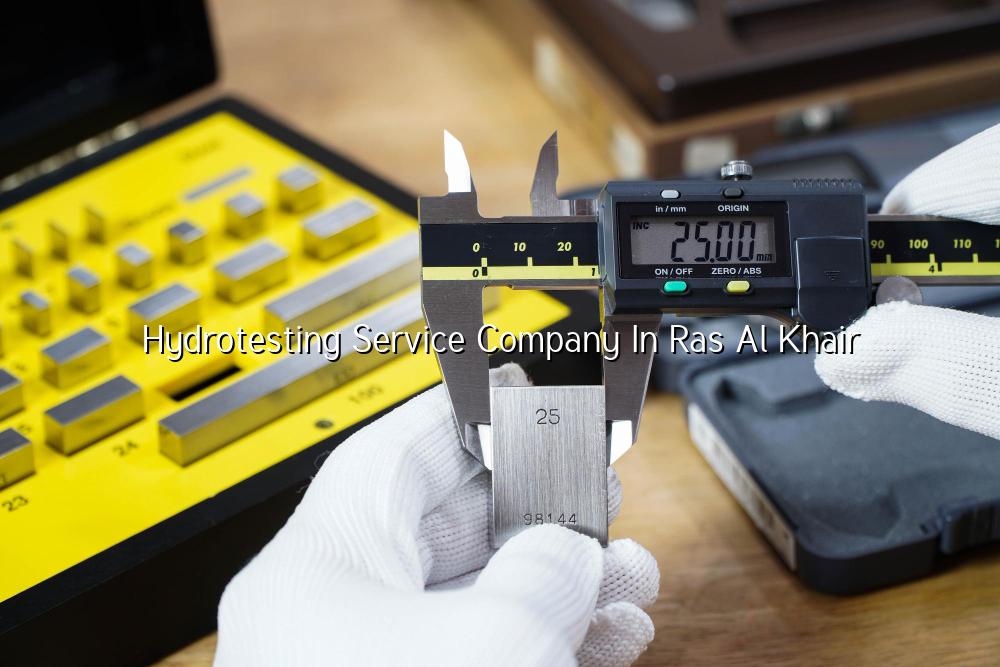
Hydrotesting service company in Ras Al Khair is the phrase many plant teams type when they need a pressure test done properly, with the paperwork to match. We help you verify lines, vessels, hoses and fabricated assemblies before start-up, handover or recommissioning, so you can spot leaks and weak points before they turn into a shutdown problem.
Ras Al Khair has the kind of work that does not forgive guesswork: mining, metals, port-linked facilities and heavy industrial systems running under demanding schedules. Our team supports Saudi projects with onsite hydrotesting, calibrated instruments, mobile lab support and traceable reporting that fits the way maintenance and QA teams actually work.
Hydrotesting service company in Ras Al Khair for plant-ready checks
A proper hydrotest is not just a pump and a gauge. It starts with the item description, design pressure, test medium, isolation points, temporary blinds, venting and a clear pass or fail criterion that your project team can defend later. For Ras Al Khair sites, we often see pressure testing tied to shutdown windows, new fabrication, repair work or pre-commissioning of skids and pipe runs, so the sequence has to be clean from the first connection.
What we check before pressurising
We look at the material, joint type, line routing and any sensitive instruments that must be isolated. If the package includes gauges, recorders or other measuring tools, we use calibrated equipment and keep the traceability chain clear. That matters when the test certificate needs to travel from site to client QA, then to the project file in one piece.
Why onsite hydrotesting helps in Ras Al Khair
Onsite work saves a lot of handling on large or awkward items. In a place like Ras Al Khair, moving heavy fabrications just to test them can create more risk than it solves. We bring the testing setup to the asset where possible, which helps when you are dealing with long pipe spools, fixed piping, or assemblies that are better left in position until the test is complete.
- Review the test scope — confirm the item, pressure, medium, hold period and acceptance criteria with your engineer.
- Prepare the system — isolate the section, fit blanks, vent trapped air and check that all temporary fittings are secure.
- Pressurise in stages — bring the pressure up gradually and watch for visible leakage, unstable readings or fitting movement.
- Hold and inspect — maintain the agreed pressure, inspect joints and record observations before depressurising in a controlled way.
- Use calibrated pressure gauges and recording instruments for traceable results.
- Keep venting points open while filling so trapped air does not distort the test.
- Protect sensitive components, especially instruments, seals and non-test sections.
- Match the procedure to the asset, not the other way around.
Hydrotest planning points for common industrial assets
| Asset type | Typical test focus | Practical note |
|---|---|---|
| Pipe spools | Joint integrity, gasket performance, line tightness | Make sure vents and drains are placed so air does not stay trapped. |
| Pressure vessels | Shell seams, nozzles, flanges and repaired areas | Check nameplate data and isolation details before any filling starts. |
| Hoses and flexible assemblies | Leakage, bulging, end fitting security | Use the right restraint and keep people clear of the test zone. |
| Skids and packages | Complete circuit integrity and interface joints | Confirm instrument isolation so non-test items are not overstressed. |
How test records help you later
People often think the pressure test ends when the gauge drops back to zero. In practice, the record is what protects the job later. A clean hydrotest report shows what was tested, what equipment was used, who handled the job and what the result was. That is useful during handover, but it also helps when a client asks questions after commissioning or during a maintenance review.
What a good report should show
We keep the basics clear: asset identification, test medium, applied pressure, start and end readings, site location, instrument details and final observation. If the test is part of a bigger shutdown or project package, that paper trail becomes even more useful because it ties the field work back to the asset register and QA file. For teams working in Saudi industrial zones, that traceability is often the difference between a neat close-out and a messy return visit.
Built for shutdown work
We support projects where access is tight, schedules are fixed and multiple contractors are sharing the same laydown area. That means practical coordination, tidy hose routing and clear communication before pressurising anything.
Choosing the right setup for hydrotesting in harsh industrial areas
Ras Al Khair sites can be dusty, hot and busy, which makes portable testing gear more than a convenience. Our mobile calibration lab helps us support pressure gauges and related instruments with proper traceability, and that makes a real difference when the test needs to stand up to client review. If the item needs special handling, we can also arrange pick-up and delivery for instruments that should not be kept in the field longer than necessary.
We also see a lot of overlap between hydrotesting and other plant tasks. A line may need flange work before test day. A vessel may need repair and maintenance before the pressure test can even start. Sometimes the job belongs with mechanical services, and sometimes it sits next to condition monitoring or inspection work. The useful thing is knowing where the boundary is, then putting the right crew on the right task.
Where the service fits in your project cycle
Most clients call us during fabrication close-out, after repair, or just before commissioning. That timing makes sense because the test confirms the work while the site team still has access to the system. If the item is tied to oil and gas, petrochemical, power or heavy manufacturing service lines, we keep the approach simple and evidence-based. No drama. Just a clean test with the right records.
- Mobile setup is useful for assets that are already installed and difficult to move.
- Calibrated instruments help reduce disputes over readings and acceptance.
- Good venting and drainage keep the test honest and easier to control.
- Coordination with QA and maintenance saves time on rework.
How Mayon Industrial Services Can Help
We handle hydrotesting alongside the other work that usually sits around it: calibration, mechanical services, inspection and pre-commissioning support. If your Ras Al Khair job needs onsite pressure testing, calibrated gauges, a mobile lab or a clear test report for QA handover, we can step in with a practical plan. That same setup works for projects across Saudi Arabia, India and the wider Middle East.
Call +91 99447 80844 (India) or +966 59 633 8012 (Saudi Arabia), email services@mayonservices.com, or message us on WhatsApp.
Frequently Asked Questions
We do, for clients who need pressure testing tied to fabrication, repair or commissioning work. The key is matching the test setup to the actual asset and keeping the traceability clear from start to finish. That helps when the result has to move through QA, maintenance and project close-out.
That depends on the job, but you normally need a pressure source, calibrated gauges, hoses, isolation fittings, vents and safe drainage control. For some jobs we also support the testing with mobile calibration lab capability so the measuring tools stay traceable. The setup has to suit the item, not just the available pump.
Yes, many items are better tested in place, especially long pipe sections, fixed piping, skids and other heavy assemblies. Onsite testing avoids extra handling and reduces the chance of damage during transport. It also saves time when the shutdown window is tight.
Yes, we issue field records that show the item tested, the pressure applied, the equipment used and the result observed. That document helps with handover, project close-out and later maintenance reviews. If your client has a specific format, share it early and we can align the paperwork with it.
We most often see demand from oil and gas, petrochemical, power, manufacturing and heavy industrial projects. In Ras Al Khair, the mix of production, utilities and port-linked operations means pressure integrity checks come up frequently during shutdowns and maintenance campaigns. The need usually appears when a system has to prove it can hold pressure before service.
Yes, and that is often the smarter route. Hydrotesting usually sits beside flange work, hydrotest manifolds, bolt torquing, NDT or lifting-equipment inspection, so one team coordinating the job keeps things simpler. It also reduces the chance of different contractors giving you different answers.
Ready to put your pressure test on solid ground?
If you need a hydrotesting service company in Ras Al Khair that works with real site conditions and proper documentation, speak to Mayon Industrial Services.
Contact Mayon