
Infrared Thermography Company in Buqayq
Thermal imaging for electrical, mechanical and process equipment, supported by ISO/IEC 17025 discipline and field-ready inspection practice.
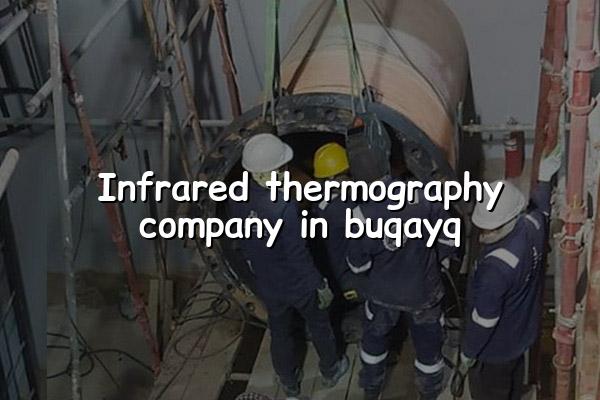
Infrared thermography company in Buqayq teams usually get called when a breaker, busbar or motor feeder has started running hotter than the rest. That’s exactly where thermal imaging earns its place: it helps you spot abnormal heat before it becomes a shutdown, a failed connection or an ugly maintenance surprise.
We work with industrial sites that need practical answers, not fancy reports for a drawer. In Buqayq and the wider Eastern Province, that often means electrical rooms, pumping stations, process skids and rotating equipment that must stay available through long operating runs and harsh ambient conditions.
Infrared Thermography Company in Buqayq for Reliability Checks
When you bring in an infrared thermography company in Buqayq, you're usually trying to answer one simple question: what is running hotter than it should, and why? A thermal scan gives a live picture of surface temperature differences on switchgear, MCCs, transformers, cable lugs, bearings, couplings and insulated lines, so your maintenance team can rank findings by risk instead of guessing.
Electrical systems are the most common callout
Most thermal inspections we see in Saudi plants are tied to electrical assets. Loose terminations, overloads, unbalanced phases and contact wear often show up as a clear heat pattern long before the component fails. In our experience, that is especially useful in facilities with heavy load swings, where an inspection in the morning can look very different from one taken during peak production.
Mechanical and process equipment matter too
Thermography is not only about panels. It also helps on pumps, bearings, gearbox housings, steam lines, refractory areas and insulation losses. For cold rooms, warehouses and reefer-related work, thermal patterns can show a weak seal or a heat leak that affects product condition. When the site has both electrical and mechanical assets, one visit can tell a much fuller story.
- Review the asset list — we start with the equipment you want checked, because a good scan follows your process, not ours.
- Capture operating condition — the readings only make sense when load, ambient temperature and duty state are known.
- Scan from a safe distance — we look for abnormal heat patterns on live assets where safe access is possible.
- Compare and classify — the findings are grouped by severity so your team knows what to fix first.
- Act on the result — the useful part is the maintenance decision, whether that means tightening, cleaning, replacing or rescheduling.
- Spot hot spots on switchgear, busbars and cable terminations before failure
- Check bearings, couplings and rotating equipment while the machine stays in service
- Support preventive maintenance planning for plants in Buqayq, Dammam and nearby industrial zones
- Reduce repeat troubleshooting by linking heat patterns to real operating conditions
Thermography Checks by Asset Type and What They Usually Reveal
| Asset type | Common thermal clue | Typical maintenance action |
|---|---|---|
| Switchgear and MCCs | Hot terminations, phase imbalance, worn contacts | Tighten, clean, test load condition, plan repair |
| Transformers | Abnormal top-oil or bushing heating | Check loading, ventilation and connection integrity |
| Pumps and motors | Bearings or coupling areas running hotter than the rest | Inspect alignment, lubrication and vibration history |
| Insulated lines and cold-chain assets | Heat loss, seal failure, uneven surface temperatures | Repair insulation, replace seals, review process control |
What a Good Infrared Survey Should Give You
A proper survey gives you more than pictures. You want clear location data, a readable severity call and enough context to make a maintenance decision without chasing the inspector for explanations. For plants working to ISO 9001:2015 maintenance routines, that clarity helps the repair queue stay organised and defensible.
Use it for planned maintenance, not panic
The best thermography programs are routine. Many teams in oil and gas, petrochemical, power and manufacturing use it as part of regular condition monitoring alongside vibration analysis, ultrasound and visual inspection. That mix gives a better view than any single test can provide, especially on assets that run continuously and don't like surprise outages.
Good findings are easy to use
What helps maintenance managers most is a clean record of where the hotspot sits, what equipment was under load, and what action the site should take next. When the scan is done by people who understand field work, the report reads like a maintenance tool, not a textbook.
How Buqayq Conditions Shape Thermal Inspection Results
Buqayq sits in a region where ambient heat, dust and heavy operating loads can all affect what you see on a thermal camera. A panel that looks borderline at one point in the day may look calmer after load drops, so the reading has to be taken with the operating state in mind. That is one reason we ask about process timing before a scan starts.
For clients in the Eastern Province, the practical need is usually consistency. If you scan the same substations, motor control centres or pump skids over time, the trend matters more than a single image. A steady pattern gives your engineers confidence; a sudden change tells you to dig deeper. We have seen that difference save a lot of unnecessary part swapping.
Electrical rooms, rooftops and outdoor yards
Some of the toughest inspections are in outdoor yards where sun exposure changes the surface temperature of metal enclosures. You need someone who can separate solar loading from true electrical heating. Indoors, the issue is often access, reflections and live-system safety. Either way, the inspection needs to be disciplined.
Where the method fits best
Thermography is strongest when the equipment is operating normally and the inspector can compare similar components under similar load. It works well for live switchboards, distribution systems, motors, bearings and heat-retention problems. It is less useful when the asset is cold, idle or impossible to access safely, so the site plan matters.
- Better findings when load state and ambient conditions are recorded
- More useful results when repeated scans are compared over time
- Strong fit for live electrical systems, rotating equipment and insulated services
- Practical for plants that need maintenance decisions, not just images
What You Should Expect After the Scan
After a thermal survey, your team should get enough detail to close the loop. That usually means the exact asset, the observed hot area, a plain-language note on what may be happening and a recommendation for next action. If a site keeps a maintenance history, the thermography record becomes part of the evidence trail.
Link it with other inspections
We often see better decisions when thermography sits beside electrical testing, vibration analysis or a torque check. For example, a hot connection on a feeder and a matching current imbalance are far more convincing than either sign on its own. That kind of cross-check is what helps a maintenance manager get budget approval without a long argument.
Keep the report useful
Ask for clear photos, thermal images, location references and a maintenance priority call. You do not need a thick packet. You need a record your supervisor can act on before the next production run.
How Mayon Industrial Services Can Help
We support thermography as part of a wider industrial reliability service. That means we can pair thermal inspection with calibration, electrical testing and commissioning, condition monitoring, mechanical checks, and repair work when a finding needs action. If you run plant assets in Buqayq or anywhere across Saudi Arabia, India or the Middle East, we can help you plan the inspection around your operations instead of disrupting them.
Call +91 99447 80844 (India) or +966 59 633 8012 (Saudi Arabia), email services@mayonservices.com, or message us on WhatsApp.
Frequently Asked Questions
We usually inspect electrical panels, busbars, breakers, cable terminations, transformers, motors, bearings and insulated services. The point is to find abnormal heat before it causes downtime or damage. If your site has a specific asset list, we can focus the scan around that.
Yes. Loose connections, overloads and unbalanced phases often show up as heat before anyone hears a problem or sees smoke. That gives maintenance teams a chance to act while the asset is still running.
It is, especially for bearings, couplings, pumps and gearboxes. Heat patterns can support what vibration or visual checks are already telling you. On many sites, that combination is what gives the maintenance team enough confidence to plan a repair.
Plan it around operating load, access and safety controls. The best results come when the equipment is in a normal working state and the team knows which areas must stay energised. We usually ask for site access details and the asset list first.
Yes. We often combine it with electrical testing, condition monitoring, calibration and mechanical service work. That helps sites in Buqayq and across Saudi Arabia get one coordinated maintenance picture instead of several separate visits.
We support sites across Saudi Arabia, India and the Middle East. If your operation is in another city within those regions, get in touch and we’ll see how to fit the visit into your schedule. The contact line on this page goes straight to our team.
Ready to check the hotspots before they turn into downtime?
If your plant in Buqayq needs thermal inspection support, we’re ready to talk through the asset list and the best time to scan.
Contact Mayon