
Inspection Services Company in Duba
Third-party inspection support for plant teams that need clear reports, traceable checks and practical field execution.
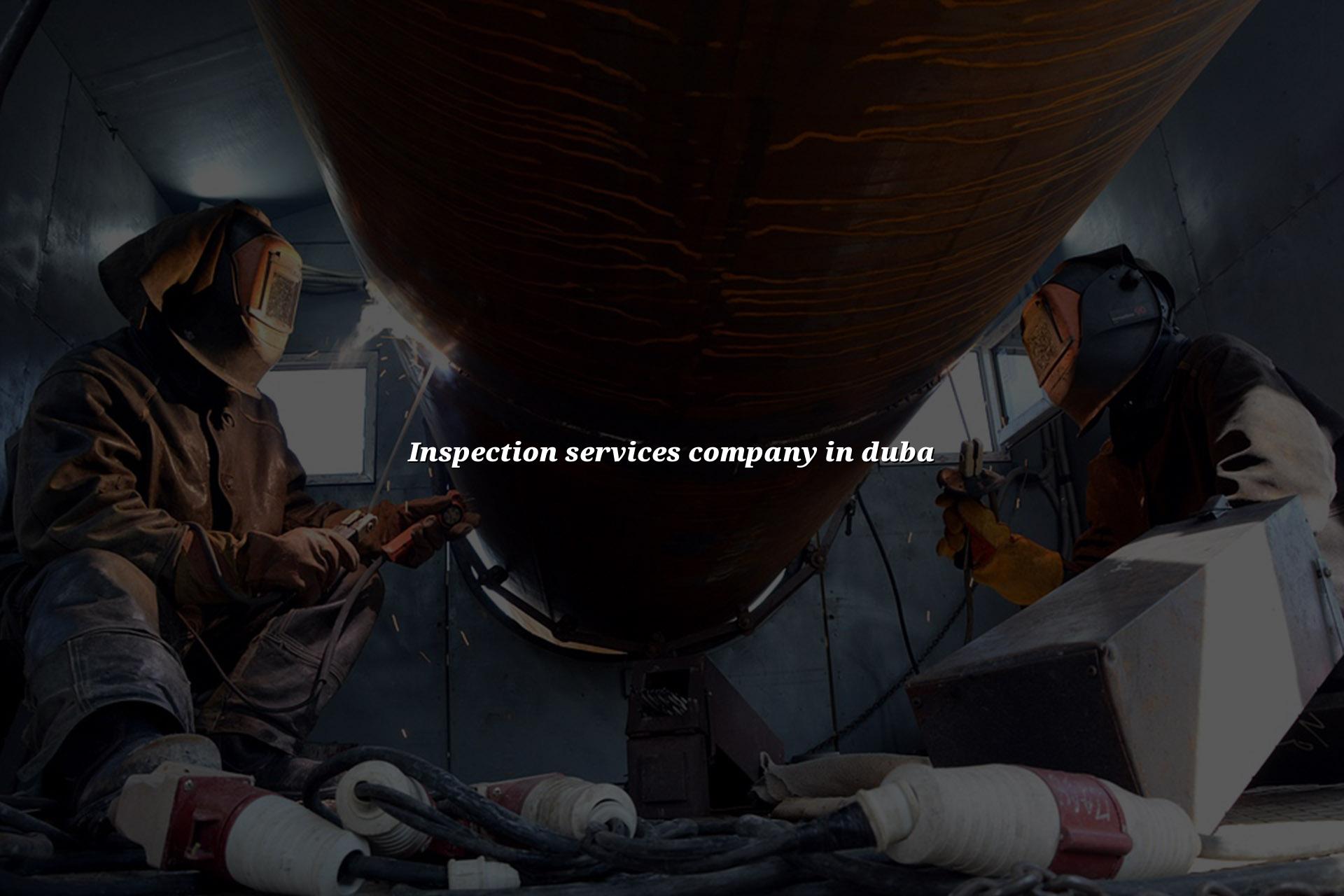
Inspection services company in Duba searches usually come from teams that need a third party to check equipment, record findings and reduce stoppages without turning the job into a paperwork exercise. That is exactly the kind of work we do.
We support plants, contractors and maintenance crews across India, Saudi Arabia and the Middle East with lifting-equipment inspection, NDT, PPE checks and practical site reporting. If your operation runs in oil & gas, construction, power, manufacturing or cold chain, you need findings you can act on the same day.
Inspection services company in Duba for plant safety and compliance
Most enquiries are not about finding a logo. They are about keeping cranes, shackles, slings, pressure systems, workwear and access equipment in a condition that passes audit and keeps crews safe. In our experience, the hard part is not the inspection itself; it is getting a team that understands site access, production pressure and the difference between a quick visual check and a report that stands up in front of a QA manager.
What we inspect on site
Our inspection work covers third-party lifting-equipment inspection, NDT and PPE inspection to BS EN standards, plus related checks around mechanical condition and safe use. For a Dubai project or a regional shutdown, that might mean hook assemblies, wire ropes, chain slings, safety harnesses, helmets, gloves, gas detectors or items tied to lift plans and permit-to-work controls. We keep the language plain: pass, fail, serviceable, restricted use, or remove from service.
How the job is usually handled
We start with the equipment list, site location and the level of inspection you need. Then our team plans the visit, checks the item markings and condition, records defects where found, and issues the report so your maintenance or HSE team can decide the next step. When items need more than visual inspection, we can also align the job with our calibration, condition monitoring or mechanical services teams.
- Confirm the equipment scope — share the list of items, the site area and the inspection standard you want applied.
- Prepare the work area — isolate the equipment, clean accessible surfaces and make sure tags or serial numbers can be read.
- Carry out the inspection — our team checks condition, function, markings and visible defects, then records what was found.
- Review the findings — you receive clear results so your team can release, repair or remove items from service.
- Use third-party inspection before a major lift or shutdown work starts.
- Keep tag numbers, serial numbers and asset registers ready before the visit.
- Ask for pass/fail results in language your site supervisor can act on quickly.
- Separate visual checks from specialist testing so nothing is missed in handover.
Inspection types, typical use and what they help you control
| Inspection type | Typical site use | What it helps control |
|---|---|---|
| Lifting equipment inspection | Cranes, slings, shackles, hooks and accessories | Visible damage, wear, missing ID and unsafe use |
| NDT inspection | Welds, fabricated parts and critical metal items | Surface or internal defects that visual checks may miss |
| PPE inspection | Harnesses, helmets, gloves and fall-arrest kits | Wear, expiry concerns, damage and fit-for-use status |
| Site condition review | Work areas, access points and stored equipment | Housekeeping gaps, poor segregation and repeat defects |
Clear inspection reports save time in the field
A good report does not need to sound fancy. It needs to tell the maintenance lead what failed, what can still run, and what should stay out of service until a repair or replacement is done. That approach matters in Dubai, where many jobs run fast and equipment is shared between contractors, and it matters just as much on Saudi industrial sites where lift plans, shutdowns and handovers are tightly controlled.
Built for QA, HSE and maintenance teams
We write for the people who actually use the result. That means traceable observations, straightforward language and a record that supports internal audits. For many clients, the report ends up sitting beside calibration certificates, permit records and maintenance logs, so clarity matters more than sales talk.
Good inspection work is practical
If your team is dealing with lifting accessories, NDT items or PPE that gets used across shifts, you want findings that reduce arguments. A short note that names the defect, the asset and the action is often far more useful than a long generic paragraph. That is how we work.
What to expect when you book inspection support
Teams often ask how the visit runs. Honestly, it is usually simple if the site is ready. We coordinate around your permit system, toolbox talk timing and access rules, then send the right people for the scope. If the job is tied to a shutdown or a project handover, we can keep the inspection aligned with the rest of the work so your team is not chasing separate contractors for every small task.
Checks that are easy to miss
Small defects are the ones that create trouble later. A worn tag, distorted shackle body, cracked helmet shell, frayed harness webbing or unreadable serial plate can stop an otherwise useful asset from being accepted. When that happens, the earlier the issue is found, the less disruption you face at the gate or on the lift pad.
- List the assets before the visit — that keeps the inspection focused and avoids missed items.
- Match the method to the item — visual checks, NDT or PPE review should fit the risk and use case.
- Record defects on the spot — this helps supervisors act before the equipment is moved back into service.
- Close the loop internally — use the report for repair, quarantine, replacement or re-issue decisions.
- Work with inspection records that are easy to file beside audit documents.
- Keep lift accessories and PPE on a regular review cycle, not only after a failure.
- Use field inspection for assets that move between yards, sites and subcontractors.
- Ask for practical recommendations, not just a list of defects.
How Mayon Industrial Services Can Help
We handle inspection work as part of a larger industrial service line, so you can bring us in for lifting-equipment inspection, NDT, PPE inspection, calibration support or mechanical checks without juggling multiple vendors. If you also need condition monitoring, electrical testing, orbital welding or lab setup, our team can coordinate the wider scope with the same site mindset. That usually makes life easier for maintenance and procurement teams who want one accountable partner.
Call +91 99447 80844 (India) or +966 59 633 8012 (Saudi Arabia), email services@mayonservices.com, or message us on WhatsApp.
Frequently Asked Questions
We usually check the condition, markings and safe use of the equipment you bring into the job. That can include lifting gear, PPE and items that need NDT or a closer look before they go back into service. The main aim is to give you a clear result you can act on, not a vague comment that creates more questions.
Yes. We work with contractors, maintenance teams and plant owners who need third-party inspection of lifting accessories and related items. If the equipment is moving between sites or being used on a heavy job, that check becomes even more useful because it gives you a fresh view before the next lift.
Yes, we inspect PPE and record whether the item is fit for use, restricted or failed. That is helpful for harnesses, helmets and other protective items that get used every day, because worn or damaged kit can slip through if nobody is checking it properly. We keep the outcome straightforward so supervisors can make a decision fast.
We do. Where BS EN standards apply to the inspection scope, we use them as the basis for the check and the reporting style. If your team already has an internal checklist or a client-specific format, we can align the field work with that as well.
Yes. We support clients in Saudi Arabia from Dammam Industrial City 2 and serve projects across India, Saudi Arabia and the Middle East. That mix matters for industrial clients because the same equipment may be used in a Chennai workshop, a Dammam yard or a GCC project site, and the inspection approach needs to stay practical across all three.
You can contact us by phone, email or WhatsApp and share the equipment list, site location and inspection need. From there, we can suggest the right scope and arrange the visit with your permit or shutdown plan in mind. If you already know what needs checking, use the request quote page and send the details through.
Ready to put the next inspection on a proper footing?
If your team needs clear field inspection, pass-fail reporting and practical support for lifting gear, PPE or NDT, we’re ready to help.
Contact Mayon