
Inspection Services Company in Red Sea
Practical inspection support for Red Sea projects that need evidence, traceability and clear pass or fail decisions.
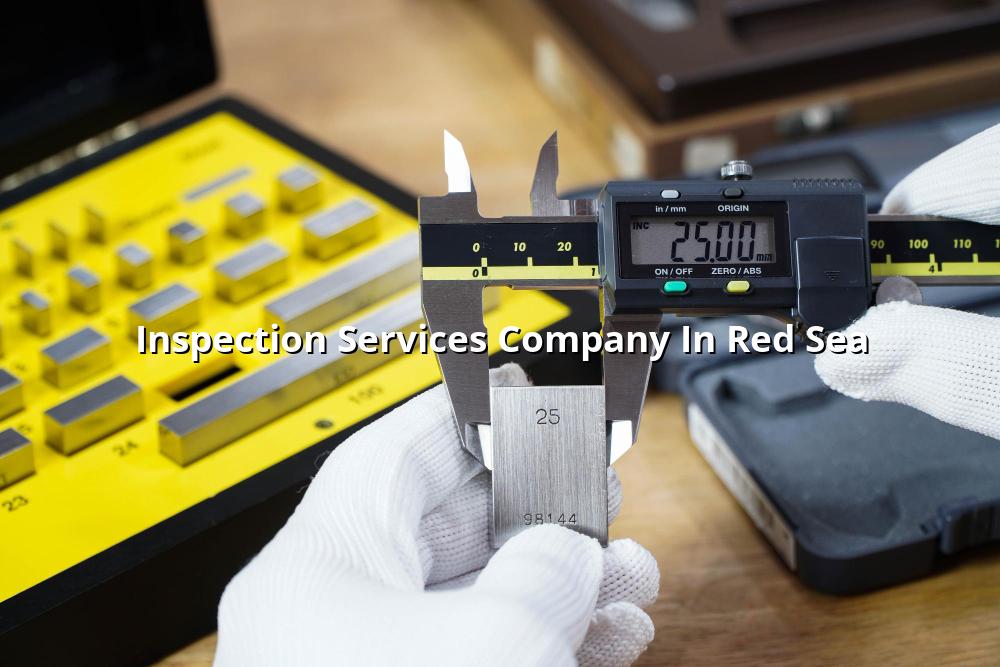
Inspection services company in Red Sea is the kind of search that usually comes from a site team that needs proof, not promises. If you're handling lifting gear, PPE, weld quality or plant readiness along the Red Sea coast, this page shows how we approach inspection work with clear standards, field discipline and proper documentation.
We support oil and gas, petrochemical, power, construction and port-linked work from our India and Saudi Arabia operations, including Dammam Industrial City 2. In practice that means we can come to site, inspect the equipment, record findings properly and help you keep operations moving without guesswork.
What an inspection services company in Red Sea should cover
Good inspection work starts with the actual risk on site. A lifting beam that sees daily use at a jetty, a crane hook with unknown service history, or a batch of PPE heading into a marine environment all need different checks, and the inspection plan should reflect that. We focus on the asset, the condition, the applicable BS EN requirements and the evidence your QA or HSE team needs to close the loop.
Lifting equipment, NDT and PPE checks
For lifting equipment, we look at structural condition, wear, obvious deformation, identification details and any signs that the item has moved outside safe use. For NDT, we coordinate the right method for the job and keep the findings tied to the item and location. PPE inspection is handled with the same practical mindset: if a helmet, harness, lanyard or related item no longer inspires confidence, it should be tagged, recorded and taken out of circulation.
Site teams in Saudi Arabia and the wider Red Sea corridor
Red Sea projects often involve contractors, shutdown teams, port operations and maintenance crews working under time pressure. That makes inspection discipline more important, not less. Our Saudi Arabia team in Dammam Industrial City 2 supports clients who need a local response, while our India head office in Chennai helps with planning, follow-up and documentation for multi-site operations across India, Saudi Arabia and the Middle East.
- Identify the asset and location — we confirm the item, serial or tag number, site area and the service condition before starting.
- Select the inspection method — visual checks, NDT, dimensional checks or PPE review are chosen based on the risk and use case.
- Record findings on site — observations, defects and any out-of-service notes are written clearly so your crew knows what changed.
- Issue the next action — pass, fail, repair, retest or remove from service is handled with a simple decision trail.
- Ask for inspection records that match the asset tag, not a generic summary.
- Keep lifting gear, PPE and NDT scopes separate so nothing gets missed.
- Use inspection intervals that reflect actual site exposure, especially near marine air and heavy handling.
- Keep defects isolated immediately; don't let doubtful equipment stay in rotation.
Inspection types we commonly handle for Red Sea projects
| Inspection type | What we check | Typical site use |
|---|---|---|
| Lifting equipment inspection | Visual condition, wear, deformation, ID details and serviceability | Cranes, slings, shackles, hooks and rigging gear |
| NDT inspection | Surface or internal defect indicators tied to the item under review | Fabrication, maintenance and repair work |
| PPE inspection | Condition, fit-for-use signs and obvious damage or expiry issues | Harnesses, helmets and other protective gear |
| Third-party site inspection | Independent checks, findings and clear status notes for the client | Shutdowns, contractor handovers and routine compliance |
Why inspection reports matter to QA and HSE teams
Inspection only helps when the report is usable. A good report should tell you what was checked, what condition was found and what action is needed next. That matters on Red Sea projects where multiple contractors may touch the same equipment and site managers need one clean record for handover, maintenance planning and audit follow-up.
Built for traceability, not just filing
We keep our work aligned to the site's practical needs and the standards mentioned in the job, including BS EN-based lifting inspections where applicable. Our ISO/IEC 17025:2017 background also shapes the way we think about traceability, equipment identification and documented findings, which is exactly what many industrial clients expect when the equipment has to stand up to internal review.
Used by field teams and shutdown coordinators
We often support sites that need inspection work to fit around maintenance windows, lifting plans and contractor access. The goal is plain: spot the issue early, record it clearly and keep your team from making a risky call on incomplete information.
Common reasons companies call us in Red Sea locations
Most calls begin with a simple problem. A lifting accessory has no clear status, a contractor handover needs an independent eye, or a supervisor wants to know whether a batch of PPE is still fit for use. In port areas and coastal industrial zones, corrosion, handling damage and mixed contractor use can change the picture quickly, so a short delay in inspection can become a bigger safety and shutdown issue.
How we keep the process manageable
We don't make the paperwork harder than it needs to be. Our team keeps the conversation practical, asks for the item list up front and focuses on the assets that matter most to the job. If testing or verification is needed as part of the inspection flow, we can coordinate that too through our wider industrial service capability.
What you should prepare before the visit
If you want a smoother site visit, have the asset tags, serial numbers, access contacts and any previous reports ready. That saves time on the day and helps us compare what we see against the equipment's actual service history. It's a simple habit, but it makes a real difference on busy projects.
- Clear asset lists speed up inspection and reduce missed items.
- Previous reports help us spot recurring damage or bad storage conditions.
- Site access and permit details matter on busy industrial and marine jobs.
- Separate damaged items before the visit so they can be assessed without confusion.
How Mayon Industrial Services Can Help
Our inspection work sits alongside calibration, mechanical services, electrical testing, temperature mapping and orbital welding, so we can support the wider maintenance picture instead of handling one isolated task. If your Red Sea project needs lifting-equipment inspection, PPE review or independent site checks, we can coordinate the job from India or Saudi Arabia and keep the findings clear for your team. Reach out when you need a practical inspection partner who understands industrial schedules and field realities.
Call +91 99447 80844 (India) or +966 59 633 8012 (Saudi Arabia), email services@mayonservices.com, or message us on WhatsApp.
Frequently Asked Questions
We usually inspect lifting equipment, PPE, site hardware and items that need a clear pass or fail decision before use. If the job needs NDT or a specific check tied to the equipment type, we build that into the scope so the report actually helps the site team.
Yes. We handle site-based lifting-equipment inspection for projects that need an independent check on cranes, slings, shackles, hooks and related rigging items. The aim is to keep the status clear so your lifting team knows what can stay in service and what needs attention.
Yes — our Saudi Arabia presence in Dammam Industrial City 2 helps us support industrial clients across Saudi Arabia and the wider Middle East. That gives Red Sea project teams a practical route for inspection work without having to deal with unnecessary back-and-forth.
We do. PPE inspection should be simple to read, so the report needs to show what was checked and whether the item can stay in use. If something is damaged or doubtful, it should be marked clearly so the crew doesn't have to guess.
We only refer to the standards that are relevant to the job, including BS EN standards for lifting and inspection work when those apply. Our overall quality approach is shaped by ISO/IEC 17025:2017 and ISO 9001:2015, which helps keep the process controlled and the records usable.
Need inspection support for a Red Sea site?
If you want clear findings, sensible reporting and a team that understands industrial work, we're ready to help.
Contact MayonFor Red Sea projects, inspection isn't just a checkbox. It's part of keeping equipment honest, crews safe and handovers clean. Mayon Industrial Services brings the site experience, regional reach and practical reporting style that industrial teams need when the work has to stand up under pressure.