
Inspection Services Company in Taif
BS EN-aligned inspection support for Taif projects, plants and maintenance teams.
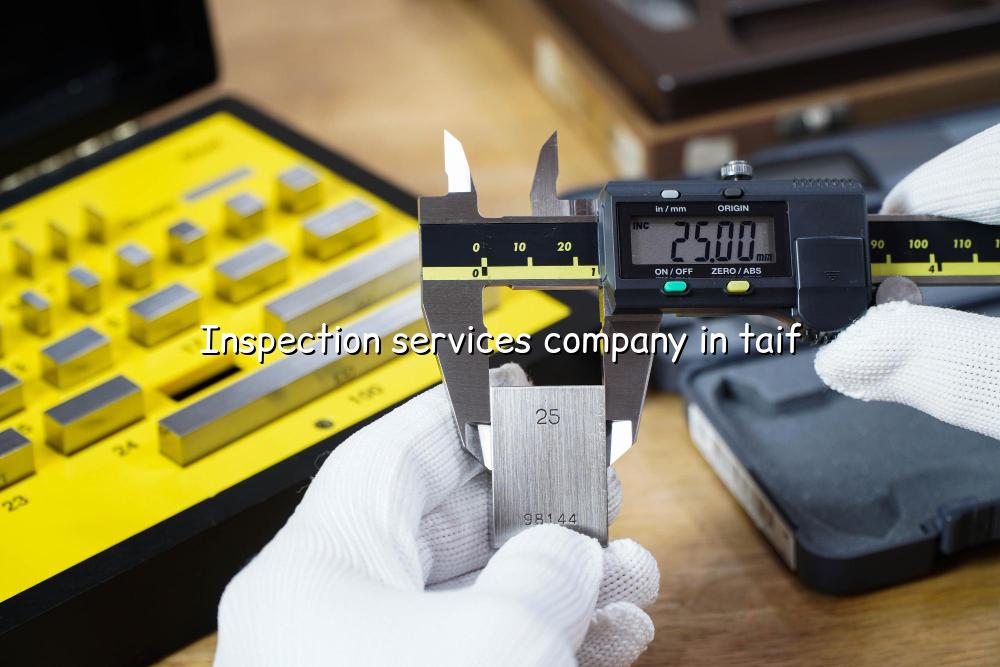
Inspection services company in Taif is the kind of search people make when a lift needs checking, a site handover is near, or a plant manager wants a clean third-party record before work continues. We help you get the inspection done properly, with practical findings that your maintenance team can act on.
From Taif’s construction jobs and industrial facilities to nearby logistics, cold-chain and utility assets, our work fits the pace of real operations. We support clients across Saudi Arabia and the Middle East with lifting-equipment checks, NDT, PPE inspection and related industrial services, backed by ISO 9001:2015 quality control and BS EN standards where inspection scope calls for them.
Inspection Services Company in Taif for active industrial sites
When someone asks for an inspection services company in Taif, the real need is usually simple: confirm equipment is safe, document the condition, and avoid delays with a report that stands up to client review. That can mean a lifting accessory after repeated use, PPE before a shutdown, or a structural item that needs a second look before it goes back into service.
What we inspect on site
Our inspection work covers lifting equipment, lifting accessories, PPE checks, and non-destructive testing for industrial assets where a visual check alone is not enough. In practice, that could include cranes, hooks, slings, shackles, helmets, harnesses, or welded parts that need a closer look for surface-breaking defects. We keep the process practical so your supervisors know what passed, what needs repair, and what should stay out of service.
Why teams in Taif ask for third-party inspection
Most of the calls we get are tied to safety, handover, or audit pressure. A site in Taif may need outside inspection because the internal team is busy, because the client wants an independent record, or because equipment has come back from repair and needs sign-off. That is where a clear inspection company helps: you get facts, not guesswork, and you can move on with less debate.
- Identify the asset and its use — we first confirm what the item is, where it works, and whether it is lifting, PPE, or another inspection category.
- Check condition against the visible criteria — our inspector looks for damage, wear, deformation, missing markings and other obvious issues.
- Run the required test or examination — where scope allows, we carry out NDT or other inspection steps that suit the asset.
- Record the result clearly — you receive a pass, fail, or action-needed outcome that your team can use for decisions.
- Use third-party checks when you need an outside record before handover or return to service.
- Keep lifting gear marked and traceable so supervisors can spot expired or damaged items quickly.
- Treat PPE inspection as a working control, not a paperwork exercise.
- Ask for inspection after repair, after overload concern, or before shutdown work starts.
Typical inspection work and what it helps you confirm
| Inspection item | What we check | Why it matters |
|---|---|---|
| Lifting equipment | Visible condition, markings, wear, obvious defects | Helps decide if the item stays in service |
| Lifting accessories | Slings, shackles, hooks, pins and deformation | Reduces risk during rigging and handling |
| PPE inspection | Helmets, harnesses, lanyards and general suitability | Supports safer site use and client records |
| NDT scope | Surface or condition indications on the part | Finds issues that are not obvious by eye |
How inspection helps keep work moving
A good inspection does more than tick a box. It gives your supervisors a short list of what is usable, what needs repair, and what should be isolated before it causes trouble. For Taif projects, that matters on fast-moving construction packages, plant maintenance shutdowns and logistics sites where one delayed asset can slow the whole job.
Why the report format matters
People often ask for a clean report because they need to share it with a client, a site manager or a safety team. We keep the language plain and the outcome obvious, so the decision is easy to read. That saves time when equipment is spread across more than one work area or when a procurement team is checking files after service.
Inspection that fits real site pressure
Taif sites do not have time for vague findings. We focus on the item, the risk, and the next action, so you can return equipment to service, send it for repair, or hold it back with confidence.
What to prepare before the inspection team arrives
Before we arrive, it helps to have the asset list ready, along with any previous records, serial numbers, and the site access details. If the item has a repair history, send that too. We see better results when the team on site knows the work area, the isolation point, and who is responsible for sign-off.
For lifting and PPE checks, the simplest mistake is missing traceability. A helmet or sling without identity marks can still be inspected, but the report becomes less useful for your file trail. That is why many QA and HSE teams keep a small register before calling us out.
In our experience, inspections go smoother when someone from operations is available to show the equipment in its real working state. If the item is mounted, installed or part of a system, we want to see it where it lives. That helps us give a more useful finding than a quick glance in a store room.
We also work alongside clients who need related services such as calibration, repair and maintenance, or project support. That means the inspection can sit inside a wider plan instead of becoming one more separate job to manage.
How Mayon Industrial Services Can Help
We support Taif clients with third-party inspection for lifting equipment, lifting accessories, PPE and related industrial checks, and we can tie that work to NDT, repair support, or broader maintenance needs when your site calls for it. Our team works with ISO 9001:2015 quality control and the relevant BS EN standards for lifting and inspection scope, while keeping the reporting practical for engineers and safety teams. If you need a dependable inspection partner in Saudi Arabia, talk to us and we’ll help you plan the next step.
Call +91 99447 80844 (India) or +966 59 633 8012 (Saudi Arabia), email services@mayonservices.com, or message us on WhatsApp.
Frequently Asked Questions
Usually the first checks are the ones that affect safety and use right away: condition, obvious wear, markings, and whether the item still looks fit for service. For lifting gear, that can mean accessories and attachments; for PPE, it means suitability and visible damage. If the item needs a deeper look, we can add NDT or another suitable inspection step.
Yes, we can support site-based inspection where the equipment is installed or already in use. That makes the review more useful because we see the item in its actual working setup. It also helps your team avoid moving heavy assets just to complete the check.
Yes, PPE inspection can be documented with a clear pass or fail outcome based on visible condition and suitability for use. That matters for harnesses, helmets and other items that go back into daily site work. It gives your HSE team a simple record to keep with site files.
We do support NDT where the inspection scope calls for it, especially on parts that need more than a visual check. That is useful for maintenance teams, fabrication work and items returned from repair. The exact method depends on the part and the finding you need documented.
We work to the relevant BS EN standards for lifting and inspection scope, and we keep quality control under ISO 9001:2015. For electrical calibration work that sits alongside inspection programs, EURAMET CG-15 may apply. We do not add standards that do not belong to the job.
Need inspection support for a Taif site?
Send the asset details, and we’ll help you plan the right inspection scope for lifting gear, PPE, NDT or related industrial checks.
Contact Mayon