
Laser Shaft Alignment Company in Tanajib
Onsite alignment support for rotating equipment in Tanajib, with checks that help keep pumps and motors running true.
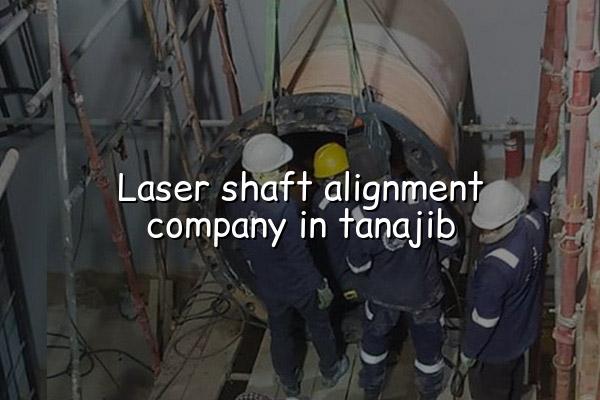
Laser shaft alignment company in Tanajib support matters when a pump keeps shaking, a motor runs hot, or a coupling wears out too soon. We help you get the shafts back on centre so the machine runs with less stress and fewer repeat stoppages.
In Tanajib, that usually means working around offshore support schedules, utility skids, compressors and process pumps without wasting time on guesswork. Our team brings alignment tools and field discipline to Saudi industrial sites, with ISO/IEC 17025 thinking applied wherever measurement and traceability affect the job.
Laser Shaft Alignment in Tanajib for Pumps, Motors and Skids
When shafts are offset, even slightly, the machine starts paying the price. Bearings heat up, seals take a beating, and the maintenance team ends up chasing the same fault again after the first shutdown. A proper alignment job is more than moving shims around. You check soft foot, verify base condition, measure the machine pair, make controlled corrections and confirm the final position after the unit is tightened back down.
Where alignment failures usually start
We see the same patterns on site in Tanajib and other Saudi industrial locations: pipe strain pulling the machine out of line, a baseplate that shifts during grouting, or a coupling that was installed without checking the final running position. Sometimes the issue begins after a motor changeout. Sometimes it's a vibration complaint that never had a root-cause check. Laser measurement helps because you're not relying on a straightedge or a feeler gauge for rotating equipment that needs tighter control.
Why the method matters on live sites
Field work changes the game. You may have limited access, hot ambient conditions, and a unit that needs to go back online without drama. That is where a structured alignment process helps maintenance managers. We align the machine, document what moved, and leave you with a result you can defend during shutdown review. If the unit is part of a compressor train, a cooling duty, or a critical transfer pump, that record matters.
- Check the machine condition — verify base bolts, soft foot, coupling condition and any visible pipe load before moving anything.
- Measure the existing position — capture the current offset and angular error with laser tooling so you know what you're changing.
- Correct in controlled steps — move shims or lateral position in small increments, then re-measure after each correction.
- Confirm the final result — tighten, recheck and make sure the shafts still sit within the target position after the machine is secured.
- Helps reduce recurring vibration on pumps, motors and driven equipment.
- Supports better bearing and seal life by cutting down misalignment stress.
- Useful after motor replacement, overhaul, relocation or skid realignment.
- Fits shutdown work where you need fast field checks and clear records.
What We Look At During a Shaft Alignment Job
| Check | Why it matters | Typical site clue |
|---|---|---|
| Soft foot | Shows whether the machine sits flat before alignment starts | One foot lifts when bolts are loosened |
| Offset and angular error | Reveals how far the shafts are out of line | Coupling gaps change as the shafts rotate |
| Pipe strain | Shows if connected piping is pulling the casing | Alignment changes after pipe bolts are cracked open |
| Final recheck | Confirms the correction still holds after tightening | Numbers drift after the machine is secured |
Why Tanajib Sites Ask for Laser Alignment Before Repeat Failures Grow
Most plant teams don't call for alignment on a healthy machine. They call after vibration rises, a seal leaks, or a motor bearing keeps failing with no clean explanation. That is usually the point where a field measurement tells the story better than another parts swap. In our experience, the machine can look fine from the outside and still be several steps off once you check the base, coupling and driven side together.
What a good result gives your team
You get a calmer machine, a more predictable restart, and a maintenance note you can use during shutdown planning. For oil and gas support equipment in Saudi Arabia, that means less time spent on avoidable callouts and more confidence when the unit is handed back to operations. If the machine is part of a critical process train, that confidence is worth a lot more than a quick visual check.
Built for field realities
We work around plant access limits, lift plans, shutdown windows and the kind of machinery you find around Tanajib: pumps, motors, compressors, auxiliary skids and rotating assemblies that need a careful hand, not a rushed guess.
How Mayon Industrial Services Can Help
We support alignment work with the same field discipline we use for calibration, mechanical services and equipment checks. If your site in Tanajib needs a laser shaft alignment company that understands industrial shutdown work, we can help with onsite measurement, corrective action and follow-up support for the wider rotating equipment scope. We also back this up with calibration capability, condition monitoring and repair services when the issue goes beyond the coupling.
Call +91 99447 80844 (India) or +966 59 633 8012 (Saudi Arabia), email services@mayonservices.com, or message us on WhatsApp.
Frequently Asked Questions
Plants with pumps, motors, compressors and skid-mounted rotating equipment usually need it most. If you are seeing vibration, hot bearings, repeated seal wear or coupling issues, alignment should be checked before you keep replacing parts. That saves time during shutdown planning and gives operations a clearer start-up.
Yes. Onsite work is the usual choice for industrial equipment because the machine stays in its installed condition while we measure and correct it. That matters when pipe loads, skid movement or foundation issues are part of the problem.
Poor alignment can push up vibration, wear out bearings early and make seals fail sooner than they should. It can also increase load on couplings and create noise that looks like a bigger machine fault. We often find the root cause during the alignment check, not after the machine has already failed again.
We do, because a machine that is sitting badly will not stay aligned for long. Soft foot has to be found and corrected first or the final numbers can shift after the bolts are tightened. That step is basic, but skipping it causes trouble later.
Yes, and it should be checked before the unit is put back into service. A new motor can still sit differently on the base or pull the coupling out of line with the driven equipment. Rechecking the final position after installation is one of the best ways to avoid a quick return to vibration.
Ready to get the shafts back in line?
If your Tanajib site needs a steady hand on rotating equipment, we can help you check the machine properly and move it back toward reliable operation.
Contact Mayon