
Laser Shaft Alignment Company in Yanbu
Precision alignment for rotating assets in Yanbu’s industrial plants, utility systems and maintenance shutdowns.
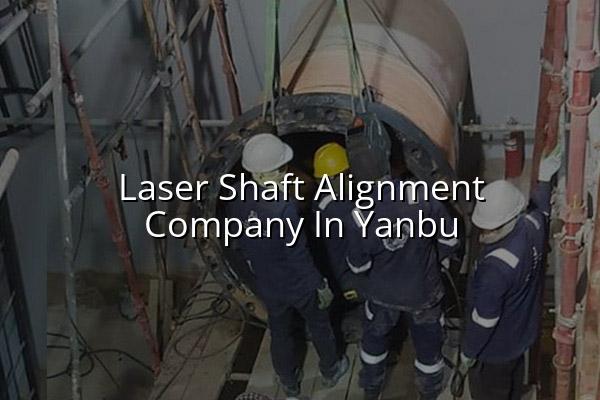
Laser shaft alignment company in Yanbu is what maintenance teams search for when vibration starts creeping up, couplings wear too fast, or a pump train refuses to stay stable after a shutdown. If that sounds familiar, this page shows you how we handle alignment work, what to expect on site, and where it fits into rotating equipment care.
We work with plants that care about clean readings and repeatable results, not guesswork. In Yanbu’s industrial environment, that usually means pumps, motors, blowers, compressors and other rotating assets that need accurate setup before they go back into service.
Laser Shaft Alignment Company in Yanbu for Rotating Equipment
In practice, laser shaft alignment is about getting the driver and driven machine into the same mechanical centerline, then checking that the machine sits correctly under real operating conditions. That matters in Yanbu because coastal industrial sites, process plants and utility systems often run long hours, and a small offset can turn into heat, noise, bearing wear and broken seals. Our team uses alignment tools and field experience together, so the result isn’t just a nice number on a screen. It’s a machine that behaves better after startup.
What we usually correct on site
Most calls begin with a complaint that sounds simple: “the pump is vibrating,” “the motor keeps eating bearings,” or “we already aligned it, but the coupling still runs hot.” Once we inspect the base, soft foot, pipe strain and shim condition, the real problem often shows up. Sometimes it’s angular misalignment. Sometimes it’s parallel offset. Sometimes it’s both, with looseness adding a second layer of trouble.
Why laser methods beat eyeballing the job
Feel and straightedge methods can get you close on light-duty equipment, but industrial trains need better control. A laser setup gives you repeatable readings, clearer correction values and a proper record for shutdown planning. That helps your maintenance team make decisions with less trial and error, especially when the equipment is tied to production schedules in Yanbu’s oil, petrochemical, power and water sectors.
- Inspect the machine condition — we check base integrity, soft foot, coupling condition and obvious looseness before touching the alignment values.
- Measure the current position — the laser setup gives us the actual offset and angular error between the shafts.
- Correct the machine — shims, moves and fine adjustments bring the driver and driven equipment back into tolerance.
- Verify under final checks — we remeasure, review the numbers and confirm the equipment is ready for startup.
- Useful after motor replacement, seal change or pump overhaul
- Helps reduce coupling wear and bearing stress
- Supports startup quality after shutdown or turnaround work
- Works well for pumps, fans, compressors and gear-driven trains
Typical Issues We See Before Shaft Alignment in Yanbu
| Field sign | What it may point to | Why it matters |
|---|---|---|
| High vibration at the bearing housing | Misalignment, looseness or both | Can shorten bearing life and make the machine unstable |
| Hot coupling or guard area | Angular or parallel error | Suggests the shafts are loading the coupling unevenly |
| Repeated seal leakage | Excess shaft movement or base issues | Can affect pump reliability and maintenance frequency |
| Frequent shim changes without improvement | Soft foot or distorted base | Alignment won’t hold until the machine sits properly |
What Makes a Good Alignment Visit
A proper alignment job starts before the laser goes on the shafts. We look at baseplate condition, hold-down bolts, pipe loads, spacer condition and whether the machine was recently moved. If the foundation shifts or the soft foot is ignored, the numbers may look right for a moment and drift again once the unit heats up. That’s a common problem on rotating equipment in process plants, where the machine is already under real operating stress.
Useful in shutdowns and maintenance windows
We often get called during planned outages because that is the best time to correct alignment without pressure from production. The work fits well with pump maintenance, motor change-outs, coupling replacement and commissioning support. It also pairs nicely with condition monitoring, because vibration readings before and after the job tell you whether alignment was part of the problem.
Built for industrial reliability
Yanbu sites often need practical work that respects process timing, safety access and equipment history. We keep the focus on the machine you actually have, not the perfect machine on paper. That means careful inspection, clear readings and corrections your team can repeat later.
How the Alignment Process Usually Runs
Every site is a little different, but the workflow is usually steady. We start with safety and access, then check whether the machine needs cleaning, loosening or re-seating before measurements begin. Once the readings are taken, we calculate the moves, adjust the equipment and recheck. This is the part that matters most: if the first correction still leaves the train unstable, we go back and look for the reason instead of forcing the result.
That approach saves time on repeat failures. It also helps procurement and maintenance teams document what was found, what was corrected and what still needs attention. For plants in Yanbu, that record becomes useful during the next shutdown, because the team can see whether the problem was a one-time setup issue or a deeper mechanical one.
Common equipment we align
We’re regularly asked to work on centrifugal pumps, fan sets, motor-pump trains, compressors and other rotating equipment that sits in the middle of process uptime. If the machine has a coupling and depends on stable shaft position, alignment usually helps. The exact method depends on access, coupling type and how much movement the foundation allows.
After the final reading
Once the machine is corrected, the next step is not to walk away too quickly. We check hold-down bolts, remeasure if needed and make sure the machine still looks right after the last tightening stage. That final pass catches the small changes that show up when the base settles or the bolts pull the machine slightly off line.
- Better startup confidence after maintenance
- Less trial-and-error with shims and moves
- Clearer fault finding when vibration stays high
- Useful record for future shutdown planning
Why Yanbu Plants Ask for Laser Alignment Early
Plants usually call us before a machine fails completely. That is the smart move. If a unit in Yanbu starts showing a rise in vibration, coupling heat or repeated seal trouble, alignment is one of the first checks we recommend because it gives a quick answer about machine geometry. It’s also a sensible step after rotating equipment repair, especially when the base or coupling has been disturbed.
For maintenance teams that need a second set of eyes
Sometimes the plant crew has already tried to correct the machine and wants an outside view. That’s where we help most. We bring the tools, the process discipline and the field habit of asking the awkward question: “What changed since the last good run?” That small question often points straight to the cause.
Alignment with real plant conditions
We keep the work grounded in what your site needs today. If you need support during shutdowns, commissioning, corrective maintenance or repeated fault finding, we can fit alignment into the broader maintenance plan.
How Mayon Industrial Services Can Help
We support laser shaft alignment work for rotating equipment, and we do it with the same care we bring to calibration, condition monitoring and mechanical services. If your Yanbu site needs alignment after a motor swap, pump overhaul or vibration issue, our team can help you check the machine properly and document what was corrected. We can also pair the job with vibration analysis, infrared thermography, laser shaft alignment and related field checks when the plant needs a fuller picture.
Call +91 99447 80844 (India) or +966 59 633 8012 (Saudi Arabia), email services@mayonservices.com, or message us on WhatsApp.
Frequently Asked Questions
If vibration has gone up, the coupling is running hot, or seals keep failing after maintenance, alignment should be checked early. We also look at it after motor replacement, pump repair or any time the base has been disturbed. In our experience, those are the jobs where a small setup problem hides in plain sight.
We commonly work on motor-pump sets, fans, compressors and similar rotating machines with couplings. If the asset depends on accurate shaft position to run cleanly, it usually benefits from alignment checks. The exact method depends on access, mounting and how much correction the machine needs.
Yes, that’s one of the best times to do it. Shutdowns give you access to the machine base, coupling and shimming points without production pressure. It also lets us check the unit properly before it goes back into service.
Usually because the real issue wasn’t just the shaft position. Soft foot, pipe strain, loose hold-down bolts or a weak base can make the machine move after the final tightening. We check those points first so the correction holds when the unit is loaded.
No, we support clients in India, Saudi Arabia and the wider Middle East. For Saudi work, we operate through our Yanbu-relevant regional presence in Dammam Industrial City 2 via SMC Engineering Services / Sixfaces Maintenance Co. If your job needs site support, get in touch and we’ll discuss the right setup.
Need shaft alignment support in Yanbu?
Send us the machine details, site location and what changed after maintenance, and we’ll help you plan the next step.
Contact MayonGood alignment is rarely glamorous, but it saves a lot of trouble later. If you need a laser shaft alignment company in Yanbu that understands industrial rotating equipment and real shutdown work, Mayon Industrial Services is ready to help.