
Lifting Equipment Inspection Company in Jubail
Site inspections, lifting gear checks and clear reporting for Jubail plants, yards and shutdown teams.
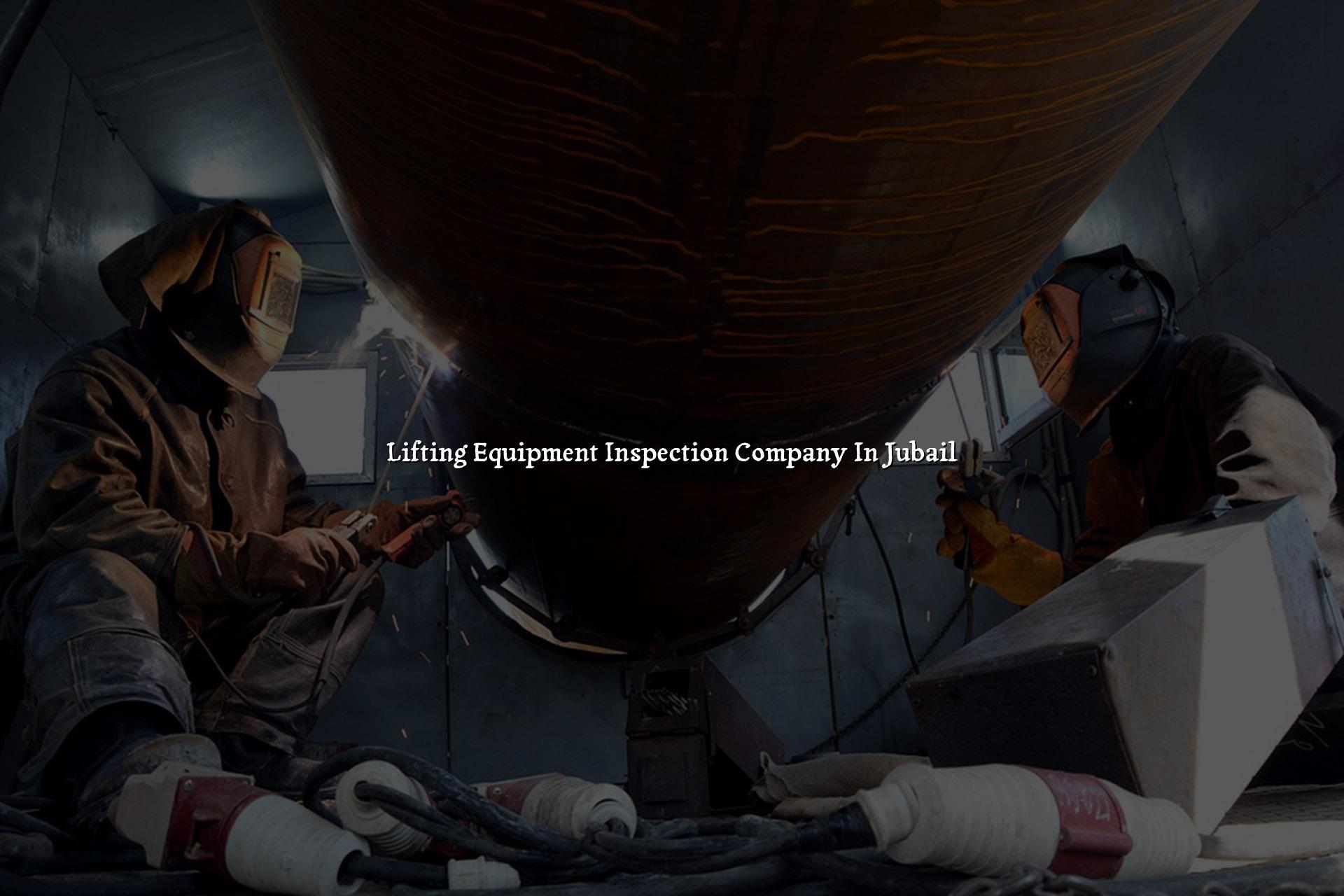
Lifting equipment inspection company in Jubail is the search most plant teams make when a crane, chain block, sling or below-the-hook tool needs a proper check before the next lift. We help you get clear inspection support, clean records and practical findings you can use with confidence.
In Jubail, that usually means working around shutdowns, tank farms, fabrication yards and marine or petrochemical sites where lifting gear can't be left to guesswork. Our team supports Saudi Arabia from Dammam Industrial City 2, and we also serve India and the wider Middle East with inspection, calibration and engineering work that fits real site conditions.
Lifting Equipment Inspection Company in Jubail for site-ready checks
When a customer asks for a lifting equipment inspection company in Jubail, they're usually trying to solve one of three problems: a scheduled audit, a damaged item found during a pre-use check, or a project team that needs inspection records before lifting starts. We handle the inspection side in a way that suits engineering and maintenance teams, not just paperwork. That means looking at the item, its condition, identification, markings and use history, then giving you a report you can act on.
What we look at during lifting gear inspection
For lifting gear, the details matter. We inspect items such as shackles, slings, chain blocks, hooks, spreader beams and other lifting accessories for visible damage, wear, deformation, legible identification and suitability for continued use. On lifting equipment inspection work in Jubail, people often need fast clarity on whether an item can stay in service, go for repair, or be removed. We keep the findings plain and practical.
Why Jubail sites ask for documented checks
Jubail operations often run under strict permit systems, client QA rules and contractor control. A good inspection record helps supervisors, HSE teams and buyers avoid arguments at the gate or on the job. It also helps when you need to show that lifting accessories were checked before use on a shutdown, module move or maintenance lift. Where required, we can align the work with BS EN standards used for lifting and inspection practice, and we keep our method consistent with ISO 9001:2015 quality control on our side.
- Confirm the item list — we review the lifting gear, serials, tags and any site requirement before the visit.
- Inspect on site or at the yard — our inspector checks condition, markings, damage and obvious wear where the gear is used.
- Record the findings — you get a traceable report showing pass, fail, limitations and any observations that matter.
- Decide the next action — your team can return the item to service, quarantine it, or send it for repair and follow-up checks.
- Use documented checks before critical lifts, not only visual guesswork.
- Keep lifting tags readable; missing identification usually slows approval.
- Separate inspection of accessories from inspection of the lifting machine itself.
- Match the inspection frequency to site risk, usage and client controls.
- Ask for a report format your QA and maintenance team can file without rework.
Typical lifting items and the inspection focus
| Item | Main inspection points | Typical site use |
|---|---|---|
| Wire rope sling | Broken wires, kinks, corrosion, end fitting condition, tag legibility | General plant lifting, maintenance shutdowns |
| Chain sling | Link wear, stretch, hook latch, deformation, identification plate | Fabrication yards, equipment lifts |
| Shackle | Pin fit, body wear, thread damage, bent form, markings | Rigging connections, spreader beam assemblies |
| Chain block | Hook condition, load chain condition, brake performance, casing damage | Workshop handling, small installation lifts |
How inspection helps reduce lift-related surprises
Most lifting failures don't start with one dramatic event. They usually start with small issues that were missed: a worn hook latch, a bent shackle pin, an unreadable tag or a sling that has been used longer than the team remembers. A proper inspection gives your supervisors a chance to catch those problems before they turn into delays, damage or unsafe lifts. That matters in Jubail, where many jobs involve heavy equipment, tight schedules and multiple contractors on the same site.
What your report should tell you
Your report needs to say more than pass or fail. It should identify the item, describe the observed condition, state the result clearly and leave no doubt about what the site should do next. That's the standard our clients usually want, and it's the level of detail that helps procurement, QA and field teams stay aligned. If an item is not fit for service, the record should make that obvious.
Built for oil, petrochemical and construction sites
Jubail's work environment is tough on lifting accessories. Heat, dust, repeated loading and poor storage can all shorten service life, so inspection has to be tied to how the gear is actually used. We see better results when teams inspect after harsh exposure, after any overload concern, and before critical lifts rather than waiting for a calendar date alone.
What to ask from a lifting equipment inspection company in Jubail
Clear identification
Ask how the inspector will match each item to its tag, serial or asset reference. In busy yards, gear often moves between contractors, so a good record system stops confusion later.
Site-aware method
Some items can be checked in the field, while others need closer handling in a controlled area. We use onsite inspections where practical, and we support special cases with our mobile calibration lab and pick-up or delivery arrangements when instruments need protected handling.
Report quality
Your team should get enough detail to close actions without chasing the inspector for explanations. That means clear notes, not vague comments.
How Mayon Industrial Services Can Help
We support lifting equipment inspection work alongside our calibration, NDT-related inspection, mechanical services and testing capability, so your site doesn't have to coordinate multiple vendors for every small task. If you also need instrument calibration, temperature mapping, PAT testing or repair support for pumps, compressors and lifting-related auxiliaries, our team can line that up with the same site visit where it makes sense. For Jubail projects and shutdown teams, that usually saves time and keeps the paperwork cleaner. Get in touch and we'll help you plan the next step.
Call +91 99447 80844 (India) or +966 59 633 8012 (Saudi Arabia), email services@mayonservices.com, or message us on WhatsApp.
Frequently Asked Questions
Honestly, the best fit is the one that understands your site rules, your lifting gear mix and the kind of records your QA team needs. For Jubail, that usually means someone who can inspect onsite, explain findings clearly and work around plant access controls without slowing the job down. We do that for industrial clients across Saudi Arabia, and we keep the process practical.
We normally inspect lifting accessories such as slings, shackles, hooks, chain blocks, spreader beams and other rigging tools, depending on what your site has in service. The focus is on condition, identification, visible wear, deformation and anything that could affect safe use. If a client has a specific list, we work from that list.
Yes, onsite work is usually the most practical option for active plant and yard operations. It lets us inspect the gear where it's stored or used, which reduces handling and keeps the process faster for your team. If an item needs special conditions, we can also support it through our controlled lab setup and logistics arrangements.
For this page, we only mention the standards we actually work with: BS EN standards for lifting and inspection practice, along with our quality system under ISO 9001:2015. Where electrical calibration is involved in related work, EURAMET CG-15 is one of the references we use. The exact standard that applies depends on the item and the client's requirements.
Yes, we work with shutdown teams and maintenance crews who need inspections tied to a live schedule. The main thing is to share the gear list, site location and access requirements early so we can plan the visit properly. That way, the inspector arrives ready to work, not just to look around.
We do. Alongside inspection, Mayon Industrial Services handles calibration, mechanical services, electrical testing and commissioning, repair and maintenance, and several engineering support jobs. That helps when a project needs more than one type of service during the same visit or shutdown window.
Ready to get lifting gear checked properly?
If your Jubail site needs inspection records you can trust, contact Mayon Industrial Services and we'll help you set up the right check for the job.
Contact Mayon