
Mechanical Construction Company in Red Sea
Practical mechanical works for Red Sea projects that need controlled execution, sound documentation and onsite support.
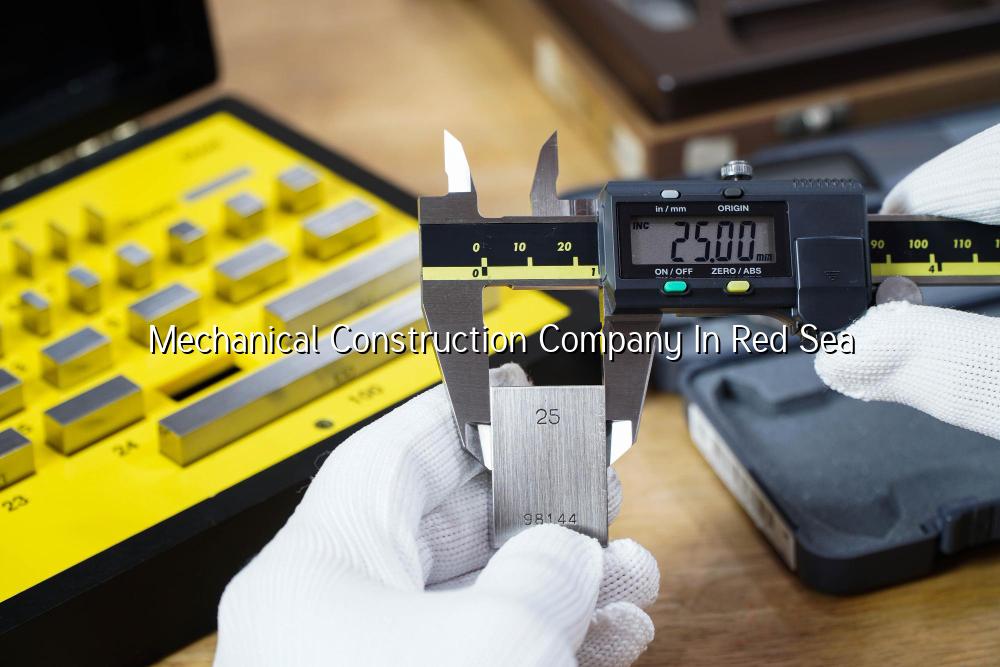
Mechanical construction company in Red Sea projects need more than a crew with tools. You need people who can fabricate, fit up, test and close out work without dragging the schedule or creating rework, and that is exactly the kind of support we provide.
We work with industrial teams across Saudi Arabia and the wider Middle East, especially where oil & gas, petrochemical, power and cold-chain sites expect tight execution, clear traceability and safe onsite work. With our mechanical services, mobile calibration capability and commissioning support, we help your package move from drawings to finished system in a controlled way.
What a Mechanical Construction Company in Red Sea Projects Must Deliver
For Red Sea industrial work, the job is usually a mix of fabrication, installation, testing and final handover. A proper mechanical contractor should be able to handle cold cutting, flange facing, hydrotesting, bolt torquing and tensioning, testing & commissioning, plus the paperwork that goes with each stage. That matters in Saudi industrial zones where owners want welded joints, pressure systems and mechanical assemblies delivered with discipline, not guesses.
Fabrication and fit-up without the usual site chaos
We see the same problems again and again: poor alignment at installation, rushed tie-ins, and bolt-up work done without the right sequence. In practice, the best mechanical construction company in Red Sea work is the one that controls the basics early, from material handling to fit-up checks and final dimensional verification. When the base work is right, pressure testing and commissioning go much smoother.
Testing that stands up to owner review
Owners in Saudi Arabia and GCC projects often ask for evidence, not just verbal confirmation. That means hydrotest records, torque logs, inspection notes and commissioning checks that can be traced later. Our teams are used to working around those expectations, and we keep the job aligned with ISO 9001:2015 quality control practices and the practical discipline that industrial sites expect.
- Review the scope first — confirm drawings, line lists, equipment interfaces and site constraints before any cutting starts.
- Prepare the workfront — isolate the area, verify access, check lifting paths and make sure permits are in place.
- Carry out fabrication or modification — perform cold cutting, fit-up, welding support and dimensional checks as required.
- Test and document — complete hydrotesting, flange work, torque records and commissioning notes for handover.
- Use hydraulic or mechanical torque tools with recorded settings, not informal tightening.
- Keep line items and spool boundaries clear before the first cut.
- Check flange faces, sealing surfaces and bolt condition before assembly.
- Plan hydrotest support around site access, water handling and safe drainage.
- Coordinate with electrical and commissioning teams so the final handover does not stall.
Mechanical Works Commonly Needed on Red Sea Industrial Sites
| Activity | Typical Use | What Good Execution Looks Like |
|---|---|---|
| Cold cutting | Pipe and structure modifications where hot work is restricted | Clean edge, controlled spark-free removal and accurate re-fit |
| Hydrotesting | Pressure integrity checks for piping and vessels | Stable setup, clear pressure records and safe test isolation |
| Bolt torquing and tensioning | Flange assembly and critical joint fastening | Correct sequence, documented values and even load distribution |
| Flange facing | Restore sealing surfaces before reassembly | Proper finish, correct alignment and leak reduction at the joint |
Why Red Sea Projects Need Tight Mechanical Planning
Most industrial sites around the Red Sea have a simple rule: if the mechanical scope slips, everything behind it slips too. You see it in pump rooms, utility systems, skids, cooling circuits and terminal work where one missed interface can hold up commissioning. That is why we plan around access, lifting, testing and closeout from the start.
Better results start with the support services around the main job
Mechanical works rarely stand alone. Our team often coordinates with condition monitoring, electrical testing & commissioning, inspection services and calibration support so the equipment can be handed over with fewer gaps. For projects in Saudi Arabia, that can mean onsite work from Dammam Industrial City 2 through SMC Engineering Services / Sixfaces Maintenance Co, while our India team supports documentation, planning and technical coordination from Chennai.
What we help owners avoid
Misaligned flanges, rushed bolt-up, poor hydrotest preparation, unclear handover records and late-stage rework. In our experience, those are the issues that cost the most time on site, not the big tasks people notice first.
Services That Fit the Mechanical Construction Scope
Our mechanical scope covers cold cutting, flange weld testing, hydrotesting, bolt torquing and tensioning, flange facing and testing & commissioning. That gives procurement and site teams one point of contact for a lot of the work that usually gets split across multiple vendors.
We also support repair and maintenance for generators, air compressors, pumps, hydrotest pumps, hydraulic cylinders and related equipment. That matters when the project is tied to running plant, because downtime does not wait for a separate repair mobilization.
Where the package includes instruments or gauges, our ISO/IEC 17025:2017 calibration service can support onsite or in-lab verification. For special conditions, we can use our temperature-controlled laboratory or mobile calibration lab, and we also arrange pick-up and delivery when the instrument needs care during transport.
How Mayon Industrial Services Can Help
If you need a mechanical construction company in Red Sea work that can handle fabrication support, hydrotesting, flange work, commissioning and the related calibration or inspection tasks, we can help. Our team works across industrial sites in Saudi Arabia, India and the Middle East, and we keep the approach practical: plan it, execute it, document it, hand it over. That’s how we like to work, and most project teams appreciate the lack of drama.
Call +91 99447 80844 (India) or +966 59 633 8012 (Saudi Arabia), email services@mayonservices.com, or message us on WhatsApp.
Frequently Asked Questions
It normally covers fabrication, installation, testing and handover for piping, supports, equipment skids and related mechanical systems. On industrial sites, that also means hydrotesting, flange work, bolt tightening records and coordination with commissioning teams so the job closes properly.
Yes, we do that work on industrial jobs where pressure integrity and joint quality matter. We set up the test properly, keep the records clear and make sure the flange assembly is prepared before pressure is applied, which saves time during owner review.
We do. Mechanical work and commissioning go together on most projects, especially for pumps, compressors, utility lines and packaged systems. When we support testing & commissioning, we stay focused on the mechanical side while aligning with the electrical and instrumentation teams around us.
We usually see oil & gas, petrochemical, power, construction, manufacturing and cold-chain operators asking for this kind of help. The job details change, but the expectation stays the same: safe work, correct assembly and documentation that stands up to review.
No, we support clients in Saudi Arabia, India and the Middle East. For Saudi work, our Dammam Industrial City 2 presence through SMC Engineering Services / Sixfaces Maintenance Co helps with local project coordination, while our Chennai head office supports the broader technical work.
Need the mechanical job done right?
If your Red Sea project needs careful fabrication, testing and commissioning support, send us the scope and we’ll help you plan the next step.
Contact MayonWhen you hire a mechanical construction company in Red Sea work, the real value is in the handover. You want the system built correctly, tested properly and documented in a way your team can trust later, and that is the standard we aim for on every job.