
NDT Services Company in Shedgum
Field-ready non-destructive testing for shutdowns, fabrication, and maintenance work in Shedgum and nearby Saudi industrial sites.
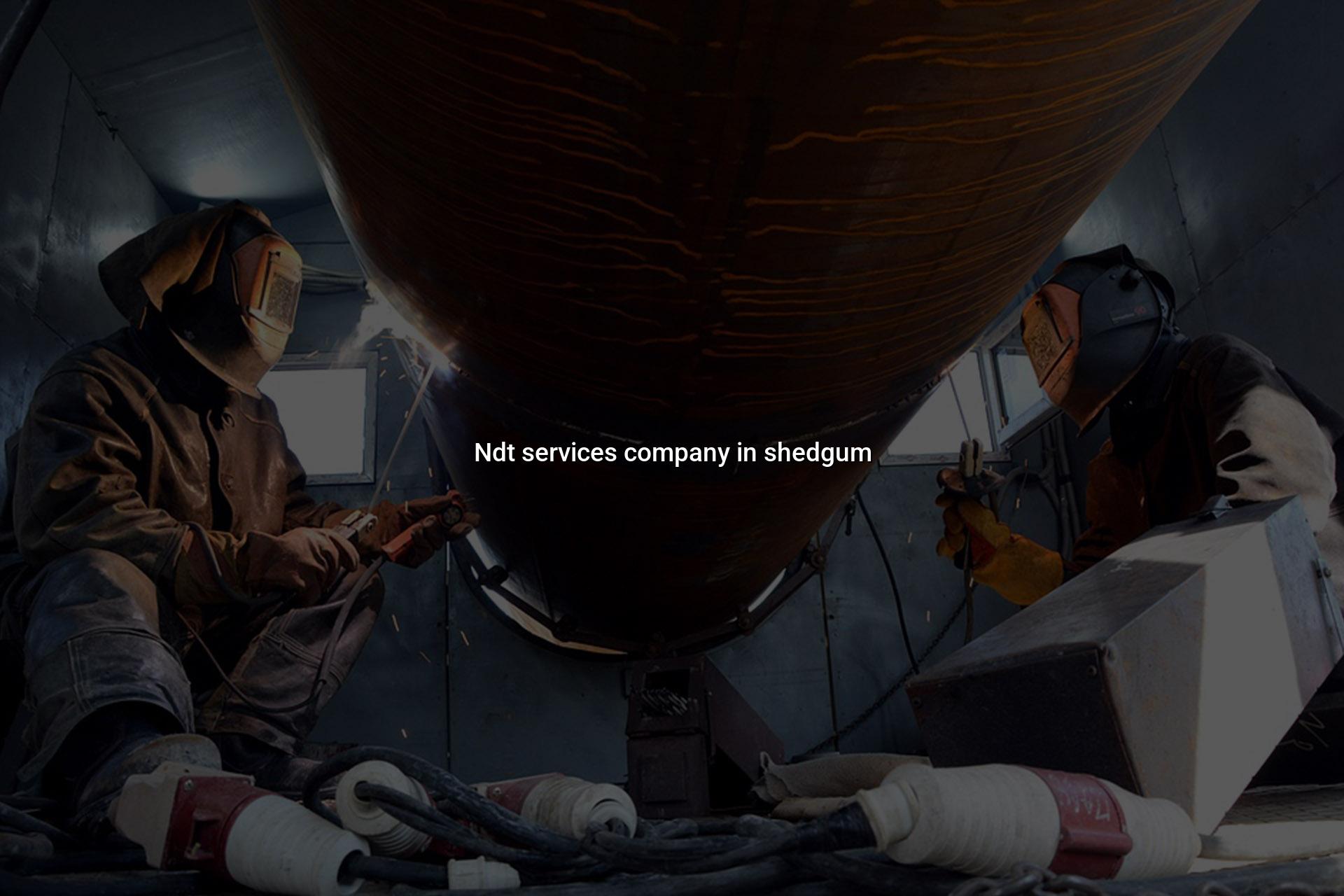
NDT services company in Shedgum work starts with one thing: knowing what is happening inside the material before a crack, leak, or weld defect turns into a shutdown. We help you spot those issues early, so your team can make decisions with evidence instead of guesswork.
For projects in Shedgum, Dammam Industrial City, and other Saudi industrial zones, our inspection approach fits fabrication yards, maintenance teams, and plant managers who need clear records, practical reporting, and traceable methods. We support oil and gas, petrochemical, power, and heavy engineering work where quality checks have to stand up to real site scrutiny.
NDT services company in Shedgum for plant and weld integrity
When a client asks for an NDT services company in Shedgum, they usually need more than one test method. They need a partner who can look at welds, pipework, lifting equipment, and fabricated parts without damaging the asset or slowing the job down. That is the point of non-destructive testing: it gives you proof of condition while keeping the item fit for service checks, repair planning, or final acceptance.
Where NDT fits into day-to-day site work
We often see NDT requested during fabrication release, shutdown maintenance, routine integrity checks, and pre-commissioning. A weld that looks fine to the eye may still hide lack of fusion, porosity, or surface breaking indications. In the field, that matters. One missed defect can become a rework job, and in some cases it delays the whole sequence of mechanical completion.
Methods used for real inspection decisions
Our team can support visual checks, dye penetrant testing, magnetic particle testing, ultrasonic testing, and related inspection work depending on the material and geometry. For lifting gear and safety-critical items, the inspection record has to be clean and readable. For process piping and structural welds, the method choice depends on access, thickness, and what the client needs to prove under project or maintenance control.
- Review the item and scope — we confirm the asset type, weld class, drawing notes, and acceptance basis before setting the inspection plan.
- Select the method — the team chooses the right test for the material, surface condition, and defect type you want to find.
- Prepare the surface and access — cleaning, marking, and safe access help the test results stay reliable.
- Carry out the inspection — the test is performed on site or at the fabrication location with proper recording of indications and measurements.
- Issue the report — findings are documented clearly so QA, maintenance, and engineering teams can act on them.
- Use NDT before painting, hydrotest closure, or final release when the weld still needs to be verified.
- Keep traceable reports for fabricated spools, pressure parts, lifting points, and structural members.
- Match the test method to the defect you are trying to detect, not to habit.
- Check access, surface finish, temperature, and safety controls before the technician arrives.
- Ask for field reporting that your QA team can file with handover packs or maintenance records.
Common NDT methods for Shedgum projects
| Method | Best use | Typical result |
|---|---|---|
| Visual Testing | First-pass checks on weld profile, fit-up, surface defects, and general workmanship | Quick screening before deeper testing |
| Dye Penetrant Testing | Surface breaking cracks on non-porous materials and accessible welds | Visible indication of surface flaws |
| Magnetic Particle Testing | Surface and near-surface defects on ferromagnetic parts, welds, and attachments | Clear indication pattern for rejection or repair review |
| Ultrasonic Testing | Internal flaws, thickness checks, and inspection on heavier sections or critical welds | Depth and location-related defect data |
Why QA teams in Saudi Arabia ask for tighter NDT control
In Saudi industrial work, especially around oil and gas and petrochemical assets, people want inspection records that are easy to review and hard to dispute. That usually means defined acceptance criteria, method-specific reports, and a technician who can explain what the indication means without turning it into a vague statement. We keep that part practical.
Traceability matters when the job is on the line
Our inspections are handled with a focus on method discipline and record keeping. For a fabrication pack, that may mean linking weld numbers, locations, repair notes, and final disposition. For lifting equipment, it may mean separating visual condition, NDT findings, and any follow-up action needed before return to service. That level of clarity helps supervisors, HSE teams, and procurement people avoid confusion later.
Built for field conditions
Shedgum sites often deal with heat, access constraints, live plant interfaces, and tight maintenance windows. Our inspection planning is shaped around those realities, not around a lab-only ideal. We can support site work where safe access, coordination, and clean reporting are what matter most.
Where our NDT support is used in Shedgum
Fabrication and welding checks
Before a spool, skid, vessel attachment, or structural assembly moves forward, NDT helps confirm that weld quality matches the job requirement. That is especially useful when the project has multiple welders, subcontractors, or repeated repairs that need a clean technical record.
Maintenance and shutdown work
During turnaround activity, maintenance crews need fast decisions about whether a part can stay in service, needs repair, or should be replaced. NDT supports that call with evidence, which is far better than relying on appearance alone.
Lifting gear and safety-related items
Where BS EN inspection standards apply, the inspection trail needs to be sharp. We help clients check lifting components, attachments, and related hardware so their safety file stays in order before use or return to service.
Pressure systems and critical lines
Piping, manifolds, and pressure-retaining parts often need closer attention than general steelwork. In those cases, ultrasonic or surface-based methods can help confirm integrity before the asset is handed over or reintroduced to duty.
What to prepare before booking inspection
A good inspection call starts with the right job pack. If you can share the material type, weld map, item count, area access details, and the reason for inspection, the visit runs smoother. We also like to know whether the work is for fabrication release, repair validation, or a periodic check, because the reporting style changes with the purpose.
For clients in Shedgum, timing often depends on site coordination. If scaffolding, shutdown windows, or permit control are already in play, inspection should be slotted into that same plan. It saves people from waiting around with exposed joints and idle crews.
- Share weld count, drawing references, or item tags before the visit.
- Confirm access, lighting, cleaning, and safe working conditions.
- Tell us if the item is on new fabrication, repair, or in-service inspection.
- Keep the acceptance basis ready for QA review and sign-off.
How Mayon Industrial Services Can Help
We support Shedgum clients with inspection work that sits alongside our calibration, mechanical services, lifting equipment inspection, and testing support. If your job needs weld checks, plant integrity review, or field reporting that QA can file without chasing missing details, we can help. Our team also works across Saudi Arabia with the same practical approach we use for Indian and Middle East projects.
Call +91 99447 80844 (India) or +966 59 633 8012 (Saudi Arabia), email services@mayonservices.com, or message us on WhatsApp.
Frequently Asked Questions
We inspect material and weld condition without cutting, breaking, or damaging the item. That includes checks for surface defects, internal flaws, and general condition review, depending on the method used. The aim is to help you decide whether the asset is fit for service, needs repair, or needs a closer engineering look.
There isn't one single answer. Visual testing is often the first check, while dye penetrant and magnetic particle testing help find surface flaws, and ultrasonic testing is useful for internal defects or thicker sections. The right method depends on the material, access, and the defect type you need to confirm.
Yes, we can support both when the scope calls for it. Lifting gear often needs condition checks and clear documentation, while fabricated steelwork may need weld verification before release or handover. We follow the inspection scope you give us and keep the report readable for your QA team.
Yes. We know shutdown work moves quickly, so the report has to be clear enough for immediate use by maintenance, QA, and site leadership. We document findings in a way that supports repair decisions, acceptance checks, or follow-up inspection planning.
We support Shedgum, Dammam, and wider Saudi industrial locations. We also work across India and the Middle East through Mayon Industrial Services and our Saudi presence. If your site is in a regional industrial zone, we can discuss the scope and plan the visit around your schedule.
Need inspection support you can trust on site?
Share your scope, and we'll help you plan the right NDT method for the job, the material, and the project stage.
Contact Mayon