
Onsite Flow Meter Calibration Company in Al Khobar
Field calibration for process plants, utility systems and industrial lines that need accurate flow readings without pulling instruments out of service.
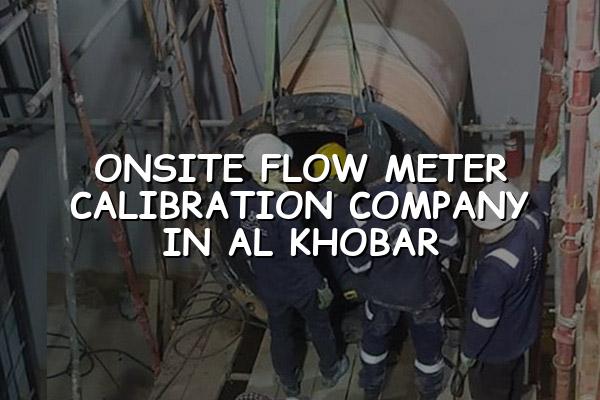
Onsite flow meter calibration company in Al Khobar is the search most plant teams make when they need accurate readings without shutting down the whole line. We help you check instruments where they sit, keep process interruptions low, and keep records that stand up to ISO/IEC 17025 expectations.
In Al Khobar and the wider Eastern Province, that usually means working around oil & gas skids, water systems, utility loops, and production areas where removing a meter is messy or risky. Our team supports Saudi and GCC operations with a mobile calibration lab, temperature-controlled in-house capability in Chennai, and pick-up & delivery for instruments that need special handling.
Why onsite flow meter calibration matters in Al Khobar plants
When a flow meter starts drifting, the problem is rarely just a number on a screen. It affects batch control, custody transfer confidence, pump performance checks, and the way maintenance teams decide whether a loop is healthy. For industrial sites in Al Khobar, Dhahran, Jubail and nearby operating zones, the practical answer is often to verify the instrument where it lives and capture traceable results against the process conditions you're already running.
What we check during an onsite visit
We look at the meter itself, the installation conditions, and the signal path. That can include display checks, wiring integrity, pulse output verification, transmitter setup, and any obvious issues around straight lengths, vibration, fouling or air entrainment that could distort the reading. If the meter needs bench work later, we can move it into a controlled setting without losing the field data that matters.
Why local teams ask for field support first
Most maintenance managers don't want a long isolation just to find out the instrument was already fine. They want evidence. A field visit gives you that evidence with less disruption, and it fits the rhythm of refineries, utilities, chemical plants and cold-chain facilities that can't stop on demand. It also helps when operations teams need to show a clear trail for internal QA, vendor handover, or an audit review.
- Plan the visit around the process window — we review the meter type, service area and access constraints before mobilizing.
- Verify the installation first — we check direction, pipe condition, signal wiring, mounting and any visible process issues.
- Perform the calibration or comparison — we use field-suitable methods and record the actual readings taken at site.
- Review the result with your team — you get practical feedback on pass/fail status, drift, and next actions.
- Decide on repair, recheck or removal — if the meter needs deeper work, we help you choose the least disruptive path.
- Useful for custody transfer points, utility loops and process measurement systems
- Reduces the need to dismantle meters from busy lines
- Supports traceability aligned with ISO/IEC 17025:2017 practice
- Fits plants that need mobile lab support in Saudi Arabia and the GCC
Common flow meter checks and where they fit
| Meter type | Typical field concern | How onsite calibration helps |
|---|---|---|
| Ultrasonic flow meter | Signal loss, poor coupling, installation issues | Verifies reading stability and checks setup conditions at the actual pipe run |
| Electromagnetic flow meter | Grounding, liner condition, noise on output | Helps confirm transmitter behavior and installation health without removing the unit |
| Vortex flow meter | Flow profile disturbance, vibration and low-flow sensitivity | Shows whether the meter is reacting to process conditions or a setup problem |
| Positive displacement meter | Wear, pressure effects and slow drift over time | Supports comparison checks and flags when repair or replacement is the better call |
What Al Khobar industrial buyers should ask for
If you're comparing providers, ask how they document the job, what reference equipment they use, and whether the work is tied back to ISO/IEC 17025:2017 competence. In our experience, that question separates a field visit that merely checks a box from one that actually helps your quality system. You should also know if the team can explain the result in plain language for operations staff, not just in test-sheet jargon.
Practical signs of a proper field service
A proper visit starts with the instrument tag, service location, process context and the reason for testing. It ends with readings you can use. If the issue is related to piping layout, line conditions or a process upset, the report should say so clearly. That matters in Saudi Arabia, where plant documentation is often reviewed by operations, maintenance and QA at the same time.
Better decisions start with the site reality
We often see teams spend too long debating the instrument when the real issue is installation or process variability. An onsite check gives you a cleaner view of what the meter is actually seeing. That helps you avoid unnecessary removal, keep the line moving, and decide whether to recalibrate, repair or send the unit to our in-house lab.
How the onsite calibration job usually runs
Every plant is different, but the sequence stays familiar. We keep it straightforward so your operations and maintenance people know what to expect and don't lose time chasing updates. The same approach works for oil & gas assets, water systems, manufacturing lines and utility networks across Al Khobar and the Eastern Province.
- Gather the instrument details — meter model, tag number, service fluid and access notes help us prepare the right setup.
- Confirm site conditions — we check whether the line is running, isolated, pressurized or limited by safety controls.
- Carry out the field verification — the meter is checked in place, with readings captured during the visit.
- Discuss the result before we leave — if something looks off, we explain the likely cause and the next step.
- Useful when shutdown time is expensive or tightly scheduled
- Works well for site teams who need a fast technical opinion before removal
- Helps maintenance managers compare actual process behavior with instrument output
- Fits a mobile calibration lab approach instead of a one-size-fits-all workshop visit
Frequently Asked Questions
We do, through Mayon Industrial Services and our Saudi operating setup in Dammam Industrial City 2. The work is aimed at plants that want field verification without pulling every meter out of service. We support process sites, utilities and maintenance teams that need practical technical feedback, not just a paper result.
Yes, in many cases we can verify the meter onsite and check how it behaves in the actual process environment. That works well when the line can't be taken down easily or when the goal is to understand whether the issue is the meter, the installation or the process itself. If deeper work is needed, we can advise on the next step.
For calibration work, customers usually ask for ISO/IEC 17025:2017 traceability and clear, repeatable documentation. That's the main standard we reference for competence in calibration and testing. For electrical calibration contexts, EURAMET CG-15 may also be relevant, depending on the instrument and measurement chain.
Yes, we support clients across India, Saudi Arabia and the wider Middle East. For Saudi work, that includes Eastern Province industrial areas and nearby GCC-connected operations. If your site needs mobile-lab support or pickup and delivery for special-condition instruments, we can plan around that.
Have the meter tag, location, model details, service medium and any recent maintenance history ready. If the line has safety restrictions, tell us upfront so we can plan the visit properly. That small bit of preparation usually saves time on site and helps the technician focus on the real fault.
Yes, we can help you decide whether the unit should be repaired, rechecked in the field or moved into a controlled environment. Our repair and maintenance capability covers a range of industrial equipment, so we can keep the conversation practical. The aim is to get you to a working instrument with the least disruption possible.
Ready to check your flow meter on site?
If you need a trusted onsite flow meter calibration company in Al Khobar, our team can help you verify the instrument, document the result and plan the next step with less downtime.
Contact Mayon