
Onsite Flow Meter Calibration Company in Haradh
Keep production flowing with onsite verification, traceable results and practical support for Haradh and nearby industrial sites.
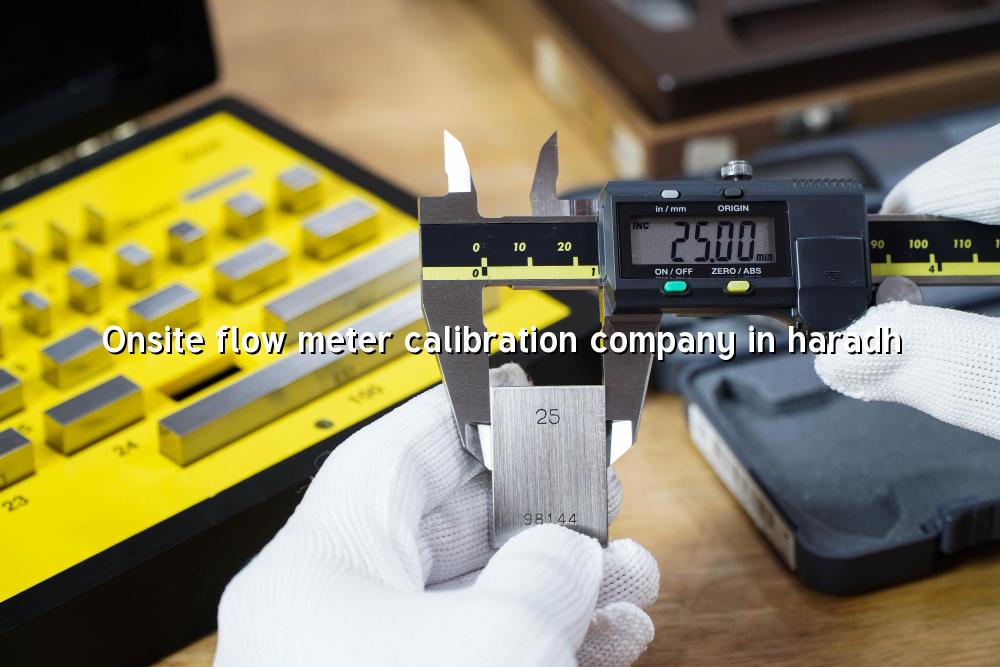
Onsite flow meter calibration company in Haradh searches usually come from teams that can’t afford to pull a meter out of line just to check it. We help you verify flow instruments where they live, so your process keeps moving and your records stay traceable.
That matters in Haradh and the surrounding Eastern Province industrial belts, where oil and gas facilities, utilities and plant maintenance teams need practical work done with minimal interruption. Our mobile calibration lab and temperature-controlled in-house lab give you a choice: onsite verification for speed, or controlled lab work when the instrument needs special handling.
What an onsite flow meter calibration company in Haradh should deliver
You want more than a sticker on the body of the meter. A proper onsite visit should check the meter under the conditions that matter to your process, whether that’s water service, utility transfer, cooling loops or plant service lines supporting production. We work to ISO/IEC 17025:2017 principles, so the idea is traceable measurement, clear records and a result your QA or maintenance team can defend.
Why onsite work is often the better first move
In Haradh, many flow meters are tied to critical systems. Removing them can mean isolation, downtime, extra gaskets, extra labour and more risk than the calibration itself. Onsite work helps you avoid that chain reaction. It also lets us see the installation as it really runs — upstream restrictions, vibration, pipe layout and valve position all affect the reading.
When the meter should come back to the lab
Some meters need a controlled bench environment, especially if they show unstable behaviour, mechanical damage or the installation doesn't allow a reliable field check. That’s where our in-house laboratory helps. If an instrument needs pick-up and delivery under special conditions, we can manage that as part of the job rather than leaving you to arrange the transport.
- Confirm the meter type — we identify the flow technology, size, service and the medium it measures before planning the visit.
- Review the installation — pipe routing, straight-run availability, isolation points and safety access are checked before any test begins.
- Carry out the onsite verification — our team compares performance using suitable reference equipment and records the as-found condition.
- Adjust, document or escalate — if the meter needs correction, we note what was done; if it needs lab work or repair, we advise the next step clearly.
- Keep the line in service where possible and reduce shutdown time.
- Get traceable results suitable for industrial QA and maintenance records.
- Use one team for calibration, mechanical support and follow-up repairs.
- Handle flow meters in oil & gas, petrochemical, power and manufacturing sites.
Choosing the right flow meter service approach
| Service route | Best fit | Typical field consideration |
|---|---|---|
| Onsite verification | Meter can stay installed and the line can be accessed safely | Check access, pressure condition and availability of isolation points |
| In-lab calibration | Instrument needs controlled conditions or a deeper inspection | Plan removal, pick-up and delivery, then review the physical condition on arrival |
| Repair plus recalibration | Meter shows drift, wear or unstable readings | Repair the issue first, then verify performance again before return |
| Combined maintenance visit | Several instruments need attention on one shutdown window | Bundle related work to reduce repeat mobilisation and site disruption |
How flow meter accuracy affects plant decisions
Flow data drives billing, batching, efficiency checks and loss control. If the meter drifts, even slightly, you can end up chasing the wrong problem in the process. That’s why engineers in Saudi Arabia and across the Middle East ask for onsite verification early, before a small reading issue becomes a bigger maintenance event. For critical utilities, the result also supports internal audits and the measurement trail expected under ISO/IEC 17025:2017 and ISO 9001:2015.
Field observations matter
A meter that looks fine on paper can still misbehave in the line. We look at pipe vibration, liquid condition, valve position and the practical way the instrument is mounted. In our experience, that field view often explains why a meter drifts long before the paperwork does.
Built for plant reality
Haradh sites often run with tight maintenance windows, so our approach is simple: assess the site, calibrate where it makes sense, and send the instrument for lab support only when the conditions demand it.
What we look at during onsite flow meter calibration
The exact test method depends on the meter and the process, but the logic is the same. We confirm that the instrument is suitable for the line, the installation won’t distort the reading, and the output is stable enough for your operating needs. If a meter is tied into a custody transfer or a process control system, the result needs to be written clearly, without vague language or filler.
Common issues we see on site
We regularly find dirt buildup, loose mounting, damaged seals, electrical signal issues or a meter that has simply drifted from use. None of those are unusual. What matters is catching them early enough to keep the plant running and to stop a minor fault from turning into a reportable problem.
Why documentation matters to your team
Good calibration records help operations, maintenance and procurement speak the same language. They show what was checked, what condition the meter arrived in and whether it was fit to continue in service. For teams working across Haradh, Dammam and other GCC industrial zones, that documentation makes the next shutdown easier to plan.
- Installation condition and accessibility before the test starts.
- Signal stability, reading drift and visible mechanical wear.
- Suitability for the process medium and operating duty.
- Need for repair, lab follow-up or recalibration after adjustments.
How to prepare your site before the calibration team arrives
Most delays on industrial visits come from access, not the calibration itself. If your team can confirm the line status, isolate the meter safely and make the installation drawings available, the work usually starts much more smoothly. A clean route to the meter, especially in compact skids and utility blocks, saves time and lowers the chance of avoidable interruption.
We also recommend checking whether your instrument needs a controlled removal or whether it can stay in place. That single decision changes the site plan, the tools needed and the follow-up steps after calibration.
Small details that help a lot
Labels, tag numbers and previous reports are useful. So is a contact person who knows the line. When those pieces are ready, our team can focus on the reading and the condition of the instrument instead of spending the visit sorting out basic identification.
Field-ready support
For instruments that need special handling, we can arrange pick-up and delivery. That helps when the meter needs lab conditions, extra inspection or a repair before it goes back into service.
How Mayon Industrial Services Can Help
We support Haradh and wider Saudi Arabia with onsite calibration, mechanical services, inspection and repair work that fits plant reality. If your flow meter needs field verification, a lab check or a follow-up mechanical fix, our team can handle the path from first visit to final return. We also work with oil & gas, petrochemical, power, manufacturing and cold-chain clients who need traceable results without the usual runaround.
Call +91 99447 80844 (India) or +966 59 633 8012 (Saudi Arabia), email services@mayonservices.com, or message us on WhatsApp.
Frequently Asked Questions
Yes, we do. We can attend site in Haradh and nearby industrial areas for meters that need field verification without being removed from service. If the meter needs a lab check after the visit, we can arrange that path too.
Most of the calls come from oil & gas, petrochemical, power, manufacturing and utility teams. We also see requests from cold-chain and food-related operations where flow readings affect process stability. The common thread is the same: they need traceable work and practical site support.
In many cases, yes. That depends on the meter type, the process conditions and whether the installation allows a meaningful field check. If the line setup won't support reliable onsite work, we’ll tell you that plainly and suggest the better route.
We work to ISO/IEC 17025:2017 for calibration and testing competence, and we also operate with ISO 9001:2015 quality management in mind. For electrical calibration matters, EURAMET CG-15 is part of the reference framework we use where relevant. We don’t invent extra badges.
Yes. If the meter needs mechanical attention, we can help with repair and maintenance, then follow up with recalibration where suitable. That keeps the work with one team instead of forcing you to coordinate several vendors.
You can contact us by phone, WhatsApp or email, or use the request quote page on the site. Send the meter type, location and any known issue, and we’ll respond with the right next step for your site.
Ready to keep your flow readings under control?
If you need an onsite visit in Haradh, we’ll help you choose the right calibration route and keep the process practical from start to finish.
Contact MayonWhen you need an onsite flow meter calibration company in Haradh, you want a team that understands plant pressure, site access and traceable measurement. That’s how we work at Mayon Industrial Services, and it’s why clients come back to us for calibration, inspection and field engineering support.