
Onsite Flow Meter Calibration Company in Khafji
Field calibration for flow instruments with traceability, practical reporting and mobile-lab support across Khafji and the Northern Eastern Province.
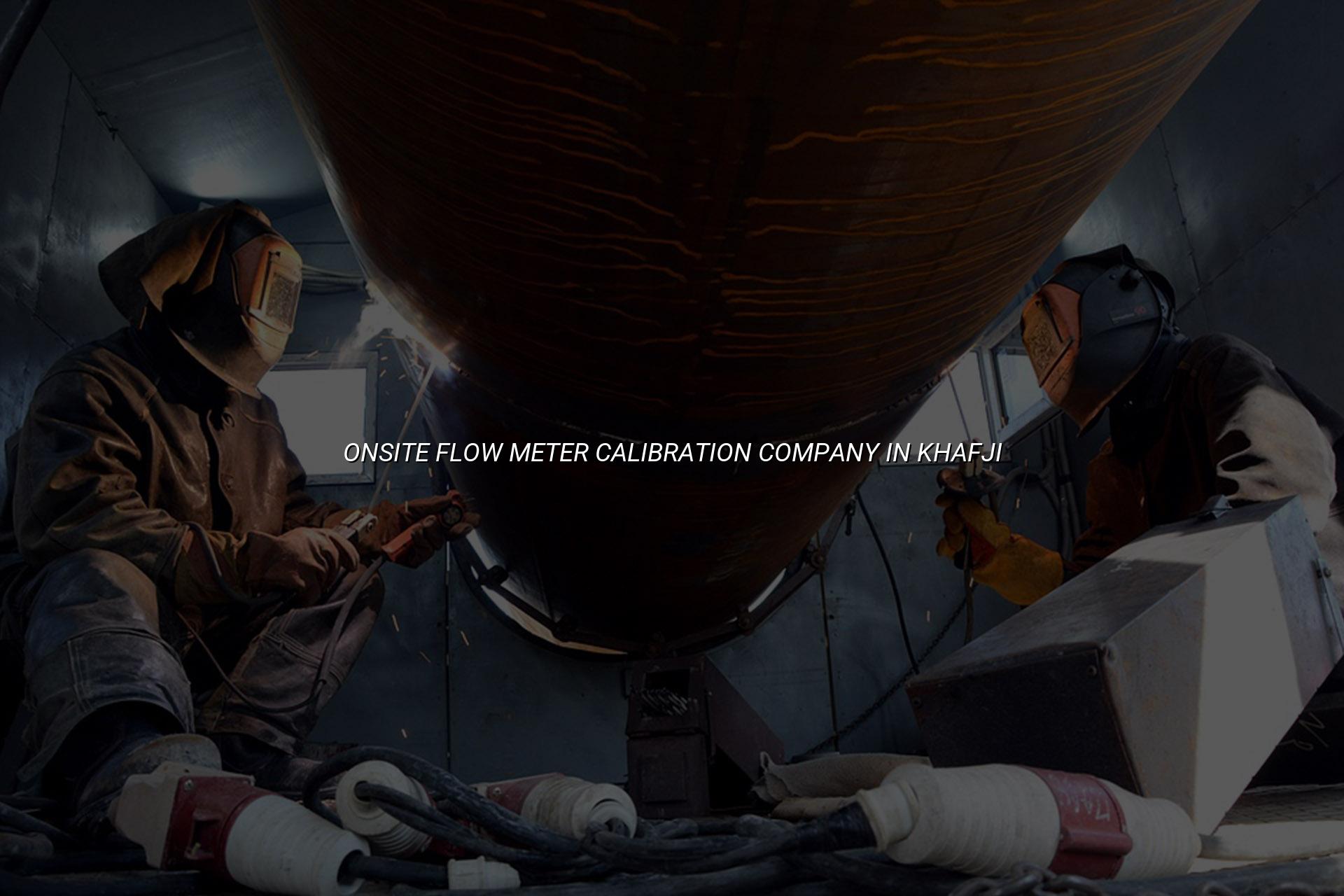
Onsite flow meter calibration company in Khafji support matters when your production team can't afford to pull instruments out of service for long. We help you verify flow meters in place, keep records traceable, and reduce the guesswork that creeps into custody transfer, process control and utility monitoring.
Khafji sites work to tough schedules. Oil and gas, petrochemical and power teams in the Northern Eastern Province need field calibration that fits live operations, not the other way around. Our mobile calibration capability and temperature-controlled laboratory give you a practical route for instruments that need special handling.
Why an onsite flow meter calibration company in Khafji makes sense
Flow meters drift. That happens from vibration, fouling, installation stress, changing process conditions and plain wear. In Khafji and nearby industrial locations, that drift can affect transfer readings, batching decisions and maintenance planning, so field verification is usually the first thing our customers ask for before they think about replacement. We calibrate with ISO/IEC 17025:2017 traceability in mind, and we keep the paperwork clear enough for QA and maintenance teams to use without extra chasing.
What we check during a site visit
We look at the instrument and the installation, not just the number on the display. That means reading stability, signal output, tag details, process conditions, upstream and downstream straight-run issues, and the condition of accessories around the meter. If the meter is part of a custody or critical utility line, we also pay attention to isolation steps, re-commissioning checks and how the certificate will be filed in your plant records.
When onsite is better than sending the meter away
Most teams choose onsite work when the meter is large, tied into a line that can't be opened for long, or installed in an area where removal means extra lifting, hot work or shutdown planning. A mobile lab is useful here because it lets us bring the right reference tools to the site and keep the workflow tight. If an instrument needs controlled handling, we can still arrange pick-up and delivery into our in-house lab.
- Review the instrument and process — we confirm meter type, service fluid, line size, range and the reason you're calling us.
- Plan safe isolation — your team prepares access, permits and any line shutdown needed for the test point.
- Verify against reference standards — we compare readings using suitable field methods and traceable equipment.
- Record results and advise next action — you get the findings, any observed issues, and a practical recommendation for repair, recheck or follow-up work.
- Suitable for process lines, utilities, terminals and packaged systems
- Helps QA teams keep calibration records traceable and consistent
- Reduces removal time for large or hard-to-access flow instruments
- Supports field work across Khafji, Dammam Industrial City 2 and wider GCC sites
Reference points for onsite flow meter calibration
| Meter / situation | Typical site concern | What onsite calibration helps with |
|---|---|---|
| Large process flow meter | Removal would take too long | Field verification without opening the line for a full strip-down |
| Utility or water line meter | Reading drift over time | Checking stability against a suitable reference method |
| Custody or transfer point | Audit and record pressure | Traceable data for QA review and internal reporting |
| Meter in a constrained area | Access, lifting or isolation difficulty | Mobile-lab support and faster site planning |
How we keep the work usable for your plant records
Our customers usually need more than a pass/fail note. They need a report that a maintenance supervisor, QA manager and operations lead can all read the same way. We issue calibration and test records that fit the way industrial teams actually work, and we stay within the standards we support: ISO/IEC 17025:2017, ISO 9001:2015, BS EN standards and EURAMET CG-15 for electrical calibration where it applies.
What happens if the meter needs more than calibration
If we find a fault that looks mechanical, electrical or installation-related, we don't force the job into a calibration-only box. Our team can support mechanical services, condition monitoring, repair and maintenance, or commissioning-related work so the meter returns to service in a sensible way. That matters in plants where a faulty transmitter, poor alignment or damaged fitting can look like a calibration issue at first glance.
Built for industrial sites, not lab-only jobs
We work around operating plants, shutdown windows and the constraints that come with real production lines. In Saudi Arabia, that often means coordination with site permits and live process areas. In India, it can mean helping a team that needs controlled handling and a clean paper trail for audits. Different sites, same need: keep the meter believable.
Choosing onsite or in-lab flow meter support
For some meters, onsite calibration is the right call from the start. For others, especially when the process connection needs special cleaning, the flow element is damaged, or the instrument is tied to a controlled environment, a lab route can make more sense. We see this most often with customers who run mixed sites: one meter stays on the line, another comes back to us for controlled handling in our temperature-controlled laboratory.
In practice, the best choice usually comes down to risk and access. If removing the meter would create unnecessary downtime, onsite usually wins. If the unit needs special conditions, the lab gives you more control. Either way, the goal is the same: make the instrument fit for service and the records fit for review.
- Use onsite support when line removal would create avoidable shutdown time
- Choose controlled lab handling for sensitive or specially conditioned instruments
- Ask for field checks before a planned turnaround so spares and permits can be arranged
- Keep the meter history together so repeated drift is easy to spot
What Khafji and nearby industrial teams usually need
Khafji jobs often sit inside oil and gas or utilities environments where process continuity matters every hour. That means the people calling us are usually trying to solve a practical problem: a meter reading looks off, a shutdown window is limited, or a compliance file needs one more verified record before the next review. We work with that pace, and we keep the communication plain.
Our Saudi operation from Dammam Industrial City 2 helps us support clients in the Eastern Province and nearby Gulf industrial sites. If your team needs help with pressure, temperature, mass, mechanical or electrical calibration alongside flow meter work, we can coordinate the right mix instead of sending different vendors to the same plant.
One site call, several technical needs
That saves time for procurement and lessens the back-and-forth for maintenance planners. It also keeps your records aligned when the same shutdown covers multiple instruments.
How Mayon Industrial Services Can Help
If you're looking for an onsite flow meter calibration company in Khafji, we can support the job with field calibration, mechanical checks, repair coordination and, where needed, pickup and delivery into our in-house lab. Our mobile calibration lab is built for site work, and our team understands the needs of oil and gas, petrochemical, power and cold-chain clients across Saudi Arabia and the Middle East.
Call +91 99447 80844 (India) or +966 59 633 8012 (Saudi Arabia), email services@mayonservices.com, or message us on WhatsApp.
Frequently Asked Questions
Teams usually want a provider that can come to site, work around permits, and still keep records traceable. That's the part we focus on at Mayon Industrial Services. We support Khafji and nearby Saudi industrial locations with mobile calibration and the kind of reporting maintenance and QA teams actually use.
Yes, in many cases it can. Onsite calibration or field verification is common when the meter is large, tied to a critical line or hard to isolate. We look at the meter type, process setup and access conditions first so the method fits the site instead of forcing a one-size-fits-all approach.
We most often see requests from oil and gas, petrochemical, power and utilities teams. Those sites usually care about process continuity, audit-ready records and fast coordination during shutdown windows. Cold-chain and manufacturing clients also call when the meter is tied to a critical utility or production line.
Yes. We work within an ISO/IEC 17025:2017 framework for calibration and testing competence, and we keep the traceability chain clear in the records we provide. That helps when your team needs internal QA review, audit support or a repeatable history for the same instrument.
Honestly, that's common. A meter can look wrong because of vibration, poor alignment, damage around fittings or another installation fault. We don't stop at the reading if the hardware needs attention; our team can link the job to mechanical services or repair and maintenance so you get a workable path back to service.
Need a field check for your flow meters in Khafji?
Send us the meter details and we'll help you plan an onsite calibration route that fits the plant, the schedule and the records you need to keep.
Contact Mayon