
Onsite Pipeline Hydrotesting Service Company in Hail
Field hydrotesting for pipelines, skids and pressure systems with mobile-lab support and clear documentation.
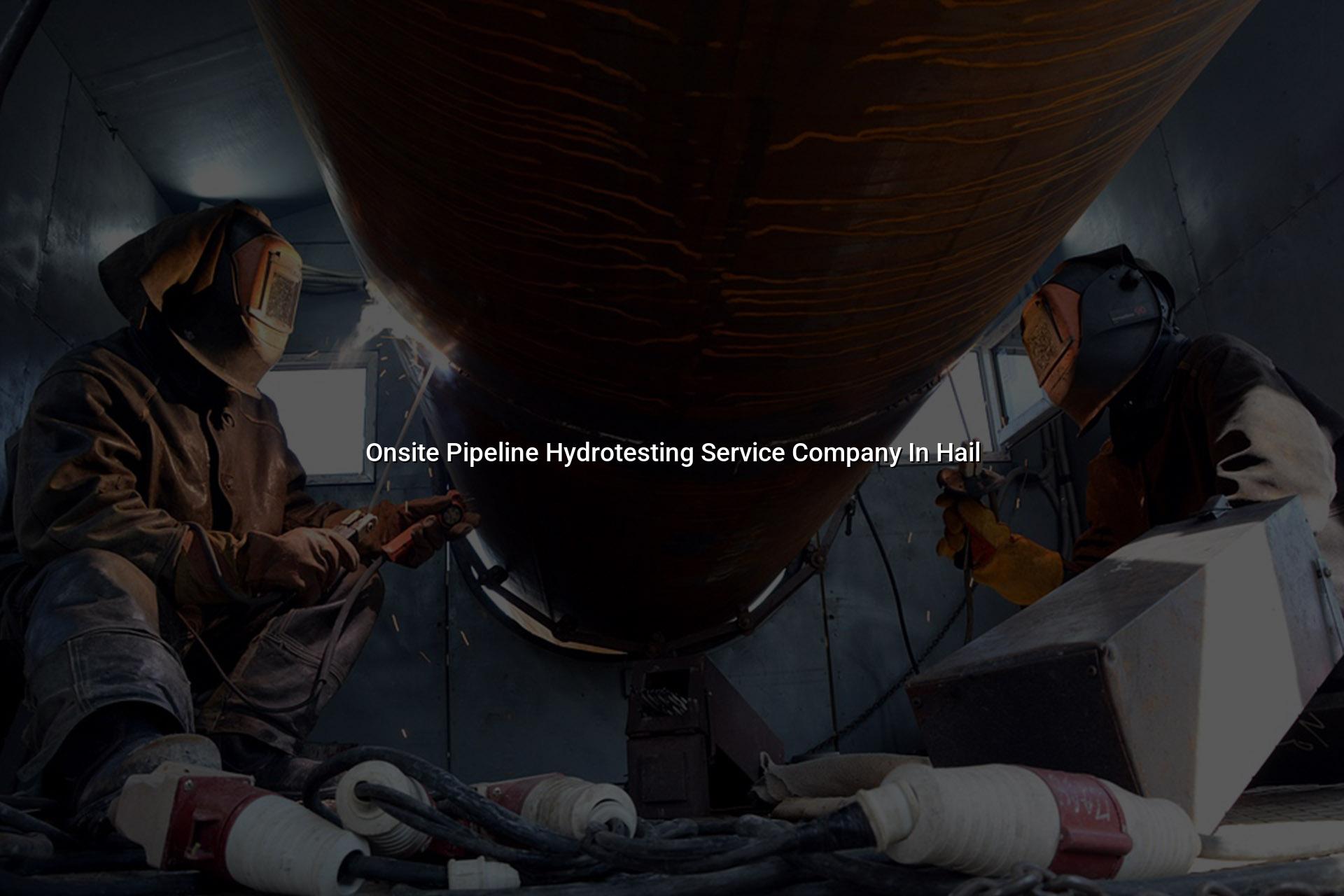
Onsite pipeline hydrotesting service company in Hail support matters when you need a pressure test done where the line is already installed, not after it has been stripped out and shipped away. We help you check integrity, leak tightness and readiness before commissioning, so your team can move with evidence instead of guesswork.
That usually means working around live project constraints in industrial zones, plants and utility corridors across Saudi Arabia. Our crew brings mobile calibration, pressure-related mechanical support and practical test documentation into the field, which is why maintenance teams and project managers call us for pipelines, manifolds, skids and associated pressure systems.
Onsite pipeline hydrotesting service company in Hail for field work
For Hail projects, onsite hydrotesting is often the cleaner route because long pipe runs, tie-ins and confined plant access make removal impractical. We use controlled water pressure testing to verify whether a pipeline, spool, header or assembled pressure circuit can hold the required test pressure without visible leakage or abnormal pressure loss. It is a straightforward check, but the preparation has to be disciplined: isolation, venting, calibration, test medium control and safe exclusion zones all matter.
Where this service fits best
Most calls come from oil & gas, petrochemical, power and heavy industrial sites, along with utilities and fabrication yards. In Hail and nearby project areas, we also see requests for pump skids, pressure manifolds, process piping, hydraulic lines and repaired sections that need a retest before release. If the asset is already installed, or if moving it would risk damage, onsite testing is usually the practical answer.
What the field team actually checks
We start with the basics: pipe identification, material condition, test section boundaries, allowable test pressure and the right instrumentation. Then we confirm that gauges, transducers and related measuring devices are within calibration, because a pressure test is only as credible as the instrument behind it. That is where our ISO/IEC 17025:2017 calibration capability helps the job, especially when clients need traceable readings for handover and inspection records.
- Isolate the test section — we define the pipeline segment, blind off open ends and make sure valves, branches and drains are secured.
- Prepare the medium and instruments — water quality, gauge range and calibration status are checked before filling starts.
- Pressurize in stages — the line is brought up carefully so the crew can watch for abnormal movement, seepage or weak points.
- Hold and observe — the test is maintained for the agreed duration while pressure stability and visible condition are monitored.
- Depressurize and document — the line is released safely, results are recorded and the test pack is prepared for review.
- Use calibrated gauges and record the serial numbers on the test sheet.
- Keep vents high and drains low so trapped air does not distort readings.
- Check all temporary hoses, couplings and manifolds before pressurizing.
- Plan the exclusion zone around the line, especially at flanged joints and capped ends.
- Retest repaired sections after hydrotest pump work, flange work or bolt tensioning.
Typical onsite hydrotesting checkpoints for pipeline work
| Checkpoint | What we verify | Why it matters |
|---|---|---|
| Section isolation | Blinds, valves, drains and vents are secured | Stops pressure loss through open paths |
| Instrument check | Gauge range, calibration status and readability | Supports traceable, defensible readings |
| Fill and venting | Air removal during water filling | Prevents false pressure behavior |
| Hold observation | Leak points, fittings and pressure stability | Shows whether the assembly is fit for service |
Why Hail projects need disciplined pressure testing
Pipeline hydrotesting is not just a box-tick before handover. In real field conditions, it catches poor joint make-up, weak repairs, gasket problems and workmanship issues that are easy to miss during visual inspection. For clients in Saudi Arabia, the practical challenge is often the same: test well, document clearly and keep the work moving without creating another shutdown.
Records clients ask for
We usually see requests for pressure charts, instrument details, pass/fail notes, equipment identification and a simple summary that maintenance, QA and commissioning teams can all read. When the line is tied to a larger system, the paperwork becomes even more useful because it lets your team trace what was tested, when it was tested and which instruments were used. That kind of record helps during client audits, internal reviews and project closeout.
Built for plant and project sites
We often combine hydrotesting with flange work, bolt torquing, repair support, calibration checks and commissioning help. That saves repeat mobilization and keeps one team aligned on the same pressure system from setup to sign-off.
How Mayon Industrial Services Can Help
We handle onsite hydrotesting alongside the support work that usually sits around it: pressure-related calibration, mechanical preparation, flange facing, bolt torquing, repair checks and commissioning assistance. If your pipeline section is in Hail, or you're coordinating work from another Saudi site, we can help you plan the test, bring the right instruments and keep the documentation tidy. If you need a team that understands field pressure work, talk to us and we’ll map out the next step.
Call +91 99447 80844 (India) or +966 59 633 8012 (Saudi Arabia), email services@mayonservices.com, or message us on WhatsApp.
Frequently Asked Questions
We do, and we focus on field-ready testing for installed pipelines, skids and pressure systems. The job usually includes isolation, filling, controlled pressurization, observation and a test record that your QA or commissioning team can file. If the project needs supporting calibration or mechanical work, we can handle that around the test too.
We check the test boundaries, vents, drains, fittings, temporary hoses and the condition of the pressure instruments. Air removal matters a lot, because trapped air can make the readings misleading and add risk. We also confirm the gauge range suits the test pressure instead of forcing a random instrument onto the job.
Yes, and that is one of the common reasons clients call us. After flange facing, bolt tensioning, gasket replacement, pipe repair or weld correction, a retest helps confirm the section is ready to go back into service. We see this a lot in maintenance shutdowns and commissioning punch-list work.
Because the pressure reading is only useful if the instrument is trustworthy. If the gauge or reference device is out of calibration, the whole test record can be questioned later. Our ISO/IEC 17025:2017 calibration work helps keep the measurement side clean, which is what most plant QA teams want to see.
Yes, we support projects across Saudi Arabia and the wider Middle East, depending on the job scope. Clients often call from industrial areas, plant sites and fabrication yards where onsite testing is the most practical option. If you have a location in mind, send us the details and we’ll review it with you.
Ready to test the line before it becomes a problem?
If you need a pressure-tested pipeline and a clean record for handover, our Hail field team can help you plan it properly.
Contact Mayon