
Onsite Pipeline Hydrotesting Service Company in Khurais
Field hydrotesting support for pipeline crews, turnaround teams and QA managers working in Khurais and nearby Saudi industrial sites.
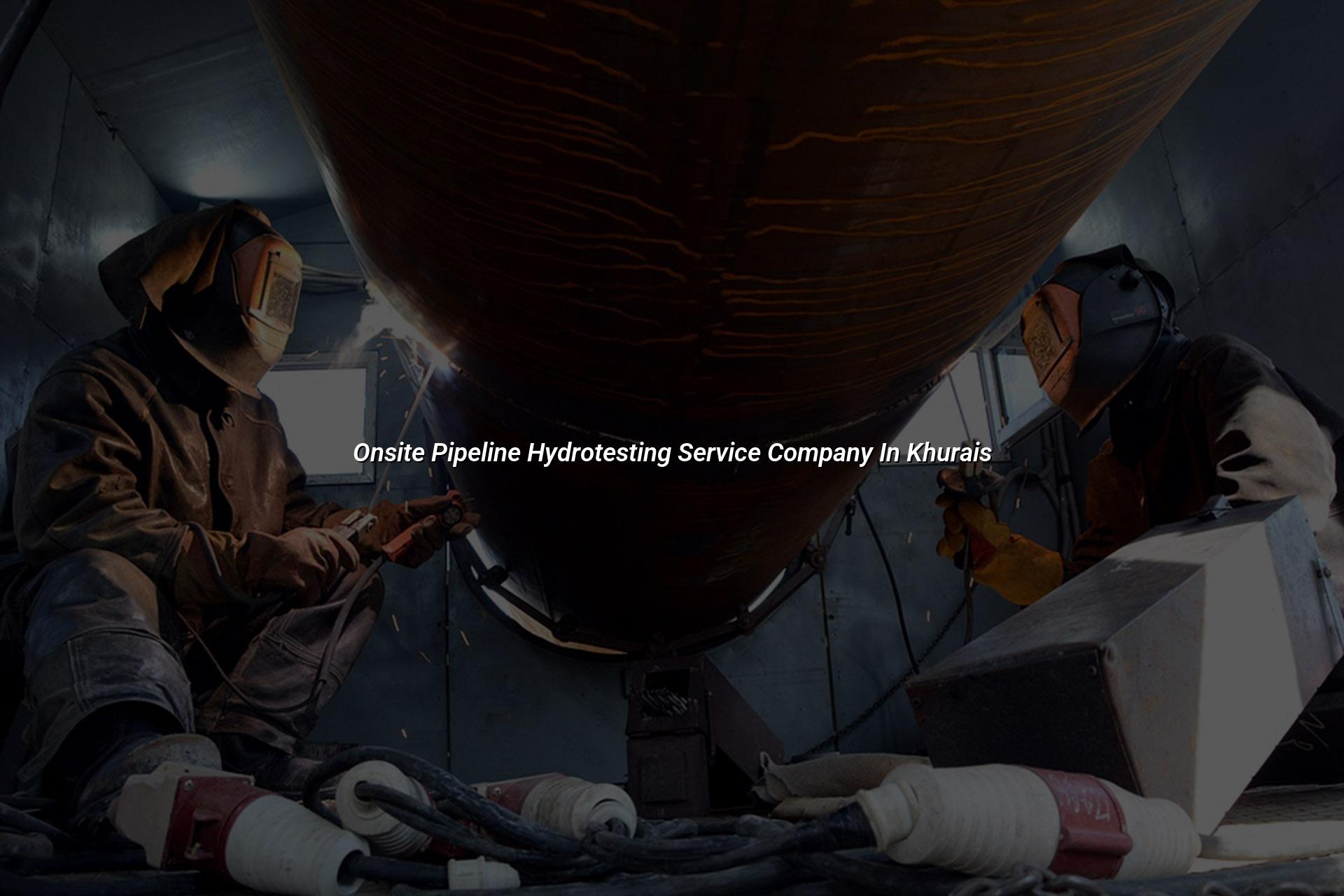
Onsite pipeline hydrotesting service company in Khurais is the kind of search that usually comes from a real shutdown deadline, a commissioning punch list, or a piping spool that has to prove itself before handover. We help you get that pressure test done with the right setup, the right records, and less back-and-forth on site.
Our team works with Saudi oil & gas and petrochemical sites, including remote field locations where moving assets offsite is a headache no one wants. With a mobile calibration lab, field-ready test equipment, and practical experience across pressure systems, we support QA, construction and maintenance teams that need work done properly the first time.
What an onsite hydrotest in Khurais should cover
A proper hydrotest is more than filling a line and watching a gauge. You need the test medium, isolation points, calibrated pressure instruments, a clear hold period, and documentation that matches the line history and the test pack. In projects around Khurais, that usually means dealing with site access, hot weather, and tight coordination between piping, mechanical and QA teams.
Why onsite testing makes sense for pipeline work
When the line is already installed, dragging spools to a remote lab doesn't help anyone. Onsite testing lets you verify the pipeline in its installed condition, which is what the client really cares about. It also reduces the risk of damage during transport and keeps the schedule tied to the actual field sequence, not a workshop calendar.
Where pressure failures usually start
Most issues are simple, and that's the annoying part. A loose flange face, poor gasket selection, a trapped air pocket, or a gauge that hasn't been checked properly can waste a day. We see the same pattern in pressure systems again and again: the test itself is fine, but the setup was rushed.
- Review the test pack — check line number, design pressure, isolation points, test medium and required witness sign-off before any water goes in.
- Set up calibrated instruments — fit pressure gauges, recorders and any supporting devices with traceable calibration so the readings can stand up during handover.
- Prepare the line — flush, vent and isolate the pipeline, then inspect visible joints and supports so you are not testing around a known defect.
- Pressurize and monitor — raise pressure in stages, hold at the agreed level, and watch for leaks, visible distortion or unstable readings.
- Document the result — capture readings, conditions and remarks clearly so the certificate and site records match what happened in the field.
- Use calibrated gauges and record the serial numbers before the test starts.
- Plan for water supply, drainage and safe disposal at the test location.
- Keep vents open long enough to remove trapped air from long pipeline runs.
- Separate the test area from live equipment and keep access controlled.
- Align the test sequence with mechanical completion, not with paperwork after the fact.
Typical field checks before hydrotesting a pipeline
| Check point | What to verify | Why it matters |
|---|---|---|
| Isolation | Positive isolation from live lines and equipment | Prevents cross-pressure and unsafe exposure |
| Instrumentation | Gauge range, calibration status and visible condition | Keeps readings trustworthy during hold periods |
| Air removal | Vents opened and high points purged | Stops false pressure rise caused by trapped air |
| Test medium | Clean water source and disposal plan | Protects the line and keeps the site tidy |
Why engineering teams in Saudi Arabia ask for traceable records
In Khurais and other Saudi field sites, the problem is rarely only the test itself. The client often wants clean records that can be filed with commissioning documents, mechanical completion packs and QA dossiers. That is where ISO/IEC 17025:2017 calibration competence matters, along with a disciplined approach to instrument identification and test traceability.
Field conditions change the job
Heat, dust and site movement are part of the job. A gauge that looked fine in the store can behave differently once it is installed on a hot scaffold bay or near an active work front. We plan around that reality, because paperwork means very little if the field setup was weak.
Built for turnaround work
Our field teams support pipeline, skids and associated pressure systems where stopping and restarting work is expensive. If the scope needs calibration support, mechanical services, hydrotesting equipment or test documentation, we bring the work together instead of making you chase three different vendors.
How Mayon Industrial Services Can Help
We support onsite pipeline hydrotesting with the practical pieces that keep a field test moving: calibrated pressure instruments, mobile-lab support, mechanical coordination and the sort of documentation QA teams expect. If your scope in Khurais needs related calibration, flange work, testing and commissioning, or repair support for pumps and pressure gear, we can line it up with the test plan. Send the details, and we'll help you shape the job around the site reality.
Call +91 99447 80844 (India) or +966 59 633 8012 (Saudi Arabia), email services@mayonservices.com, or message us on WhatsApp.
Frequently Asked Questions
It usually includes line isolation, filling, venting, staged pressurization, hold-period monitoring and written records for handover. The exact scope depends on the test pack and the piping system, but the aim is the same: prove integrity in the installed condition.
Yes, we can support the test with calibrated gauges and related field instruments. That helps the site team keep the readings traceable and avoids last-minute scrambling for a borrowed gauge that nobody wants to sign off.
Yes — that is the normal case for most field pipelines. Onsite testing is often the better choice because it checks the line where it sits, with the actual supports, joints and site conditions in place.
Have the test pack, line identification, approved pressure requirements, isolation plan and witness points ready. If the site uses a specific QA format, it helps to share that early so the records match the project file from the start.
Usually because something small was missed: a loose joint, trapped air, a damaged gasket or an instrument issue. The line can look finished and still fail if the preparation was rushed or the test setup was not checked properly.
We can. Many projects need hydrotesting, calibration, flange work, testing and commissioning, or repair support in the same shutdown window. Keeping those scopes under one plan makes coordination easier for the site team.
Need a field hydrotest plan that holds up on site?
Send the pipeline details, and we'll help you line up the equipment, calibration support and documentation needed for a clean handover.
Contact Mayon