
Onsite Pipeline Hydrotesting Service Company in Taif
Mobile hydrotesting support for Taif sites, with controlled procedures, test records and practical coordination for shutdown windows.
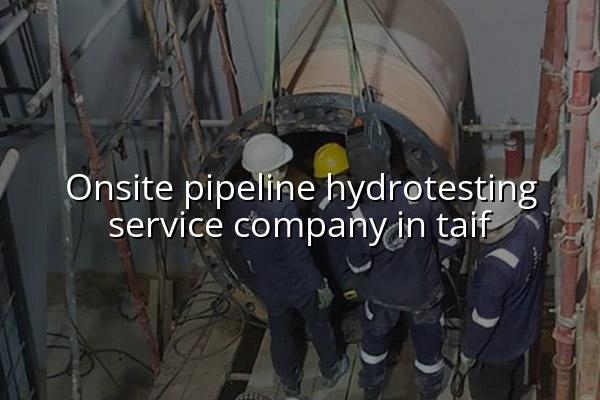
Onsite pipeline hydrotesting service company in Taif support is what you need when a line has to be verified without pulling the whole job off schedule. We help you test new, repaired, or modified pipelines with pressure checks that are documented clearly and handled in a way your site team can work with.
Our crews work with industrial clients across Saudi Arabia and the Middle East, including oil and gas, petrochemical, power, construction and cold-chain facilities. For Taif projects, that usually means mobile coordination, practical shutdown planning, and test work that fits the reality of a live site.
Onsite pipeline hydrotesting service company in Taif for pressure-critical work
Pipeline hydrotesting is the practical check that tells your team whether a line can hold pressure before startup, handover, or return to service. In Taif, we often see requests tied to utility networks, plant tie-ins, process piping, pump skids and temporary systems where the client needs proof, not guesses. Our method suits carbon steel and similar industrial piping packages that need pressure verification under controlled conditions.
Where this service is usually needed
Most calls we get in Saudi Arabia are from project managers and maintenance teams who need onsite verification after installation, welding, repair or a major modification. Sometimes the pipe route is long, sometimes access is awkward, and sometimes the issue is simply time. That is where a mobile team helps. We come with the test setup, the instruments and the field habits that keep the job moving.
What a proper test record should show
A hydrotest report should do more than say “passed.” It should tell you what was tested, the test medium used, the pressure applied, the holding period, the observed condition and who witnessed the work. If your client, consultant or internal QA team asks for traceability, those details matter. We write records with that in mind because that is what engineers actually need during approval and commissioning.
- Confirm the test scope — we review the line limits, drawings, blind list and any isolation points before we touch the system.
- Prepare the pipeline — the line is cleaned, vented and checked for obvious weak points, loose fittings or open ends.
- Set up the hydrotest package — pumps, gauges, hoses, manifolds and temporary fittings are arranged for the test pressure and site access.
- Pressurise and monitor — the line is taken up in stages, then held while the team watches for leakage, drop or visible movement.
- Record and hand over — readings, observations and witness notes are compiled so your QA file is ready for the next step.
- Suitable for new installation, repair verification and pre-commissioning checks
- Useful for plant owners who need clear pressure evidence before handover
- Mobile support helps reduce site disruption in Taif and nearby Saudi locations
- Documentation is prepared for QA, consultant review and client records
- Can be coordinated with mechanical services, commissioning and leak rectification
Hydrotest planning factors for pipeline work in Saudi sites
| Project factor | Why it matters | Typical onsite focus |
|---|---|---|
| Line size and length | Changes pump setup, fill time and test monitoring needs | Match the package to the actual piping route and access points |
| Test medium | Impacts cleaning, drainage and post-test handling | Choose clean water handling that suits the system and site rules |
| Isolation method | Protects live equipment and avoids cross-connection | Use verified blinds, caps and valve isolation before pressurising |
| Witness requirements | Clients and consultants often need formal sign-off | Schedule the test when the correct site people can attend |
Why Taif teams ask for onsite hydrotesting instead of moving the job
Moving a pipeline section to another yard is rarely the cleanest answer. For many jobs, the line is already welded, installed and tied into a larger system. Taking it apart again adds risk. Onsite hydrotesting keeps the work where the piping already is, which helps with alignment, access control and coordination with other contractors.
Practical benefits for project teams
You get faster coordination with construction, QA and commissioning teams because the system stays in place. You also reduce the chance of new damage during dismantling and transport. In our experience, that matters most on tight shutdown jobs where every extra movement creates another approval loop.
Useful for live industrial schedules
Taif projects often sit inside larger Saudi maintenance windows, so teams need test work that fits around other trades. We coordinate with your site lead, isolate the test section, and keep the process focused on the line that actually needs verification. That makes the job easier to close out.
Before the hydrotest team arrives at your site
A good onsite test starts before the pump is switched on. If the line is not isolated properly, you waste time. If the blind list is unclear, you risk repeat work. If the client witness is not informed, the handover slips. A short planning call can prevent all of that.
We usually ask the site team to confirm the line boundary, the medium to be used, drainage points, access restrictions and any special cleanliness rules. That is simple enough, but it saves a lot of back-and-forth once the crew is on location. It also helps us bring the right fittings and pressure equipment on the first visit.
- Confirm piping drawings, line numbers and the exact test boundary
- Share access notes for roofs, pits, skids and restricted plant areas
- Arrange isolation, blinds and permits before the crew mobilises
- Identify a client witness or QA contact for sign-off
- Make drainage and reinstatement plans before filling starts
How we handle onsite pipeline hydrotesting in Taif
We keep the process direct. First, we review the job details and the test scope. Then we mobilise the necessary hydrotest equipment and accessories, check the line setup with your team, and carry out the test using a method that fits the system and the site. After that, we document the result and support the handover file.
This approach suits facilities in oil and gas, petrochemical, power, manufacturing and construction because the workflow stays familiar to engineering teams. It also works well when hydrotesting needs to sit alongside mechanical correction, flange work or commissioning checks. We do not try to overcomplicate it. The objective is simple: prove the line holds, record what happened, and let the project move.
- Mobile setup for onsite work in Taif and nearby Saudi industrial locations
- Pressure testing coordination that suits shutdown and commissioning windows
- Support for related mechanical services when the line needs rectification
- Clear records for QA folders, consultant review and client handover
How Mayon Industrial Services Can Help
If you need an onsite pipeline hydrotesting service company in Taif, we can support the job with field-ready pressure testing, mechanical coordination and proper documentation. Our team also works with calibration, inspection, electrical testing, orbital welding and repair work, so we can stay close to the wider project needs instead of treating the test in isolation.
For Saudi projects, that mix helps when the line test is only one part of the handover. Call +91 99447 80844 (India) or +966 59 633 8012 (Saudi Arabia), email services@mayonservices.com, or message us on WhatsApp.
Frequently Asked Questions
We do onsite hydrotesting for industrial pipeline work in Taif and across Saudi Arabia. The service is suited to new lines, repaired sections and pre-commissioning checks where the client needs pressure proof and a proper record. We bring the mobile setup and coordinate with your site team.
A typical job includes scope review, site coordination, test setup, pressurisation, monitoring and final documentation. We also check the line boundary, isolation points and any witness requirements before the test starts. That keeps the job controlled and easier to sign off.
Yes. That is often the better option when the pipeline is already installed or tied into plant systems. Onsite testing avoids unnecessary dismantling, reduces handling risk and lets the result line up with the actual installed condition.
We commonly see requests from oil and gas, petrochemical, power, manufacturing and construction sites. In Taif and the wider region, the need usually comes up during installation, shutdown work or pre-commissioning. Cold-chain and utility systems can also need similar pressure verification.
Yes, we prepare documentation that shows the test scope, pressure details, observations and result. That makes it easier for the QA team, consultant or client representative to review the work. If your project has a specific format, we can align with that where practical.
Yes. That comes up often when the line needs flange work, leak correction, bolt torquing, testing and commissioning support, or a follow-up repair. Having one team handle the related tasks keeps the sequence cleaner and cuts down on handover delays.
Ready to schedule pipeline testing in Taif?
If your team needs an onsite hydrotest with clear records and practical site coordination, contact Mayon Industrial Services and we’ll help plan the next step.
Contact Mayon